Introduction
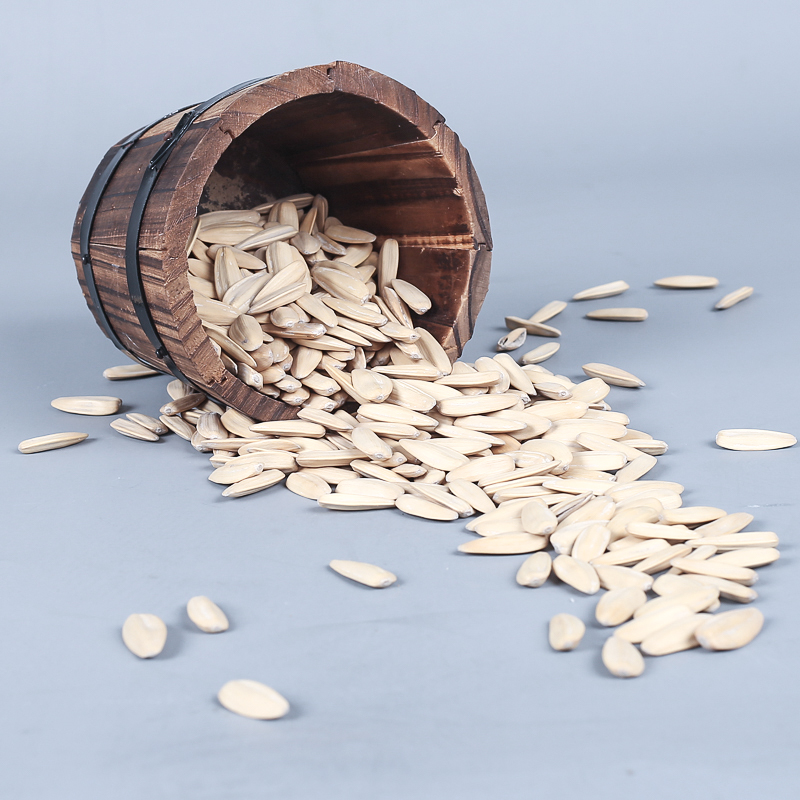
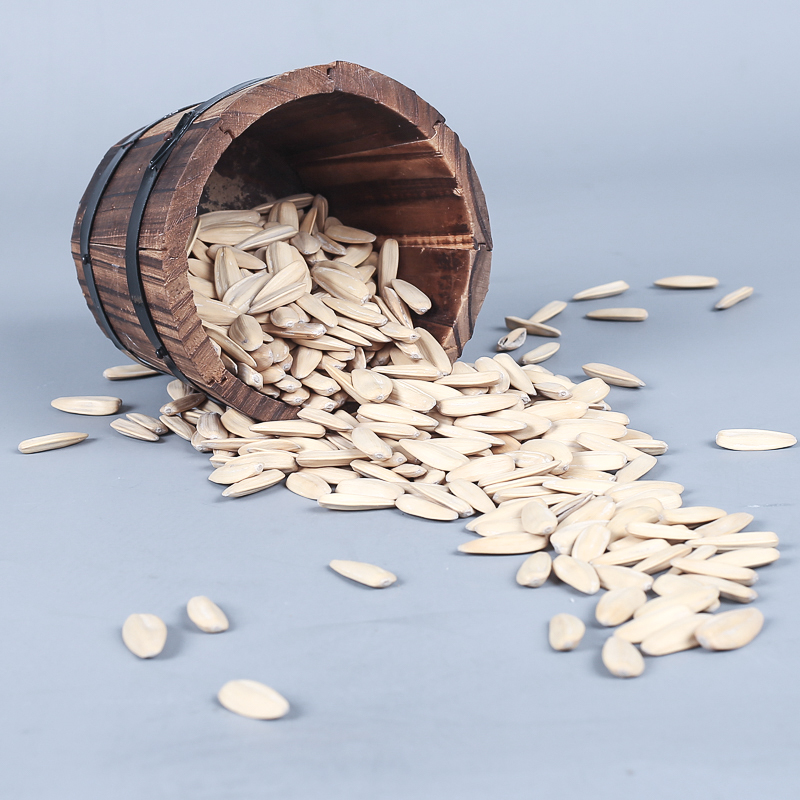
High quality edible melon seeds represent a significant segment of the agricultural food processing industry, functioning as both a direct consumer product and a critical input for confectionary and snack food manufacturing. Positioned downstream from agricultural production and seed breeding programs, these seeds undergo rigorous processing – including drying, cleaning, grading, and often flavoring – to meet stringent quality and safety standards. Core performance characteristics center around germination rate (for seed propagation), oil content (influencing nutritional value and flavor profile), moisture content (critical for storage stability), and physical integrity (minimizing breakage during handling and processing). The industry faces key challenges regarding maintaining consistent seed quality across harvests, mitigating aflatoxin contamination, and satisfying evolving consumer demand for healthier snack options. This guide provides a comprehensive technical overview of high quality edible melon seeds, covering material science, manufacturing processes, performance parameters, failure modes, and relevant industry standards.
Material Science & Manufacturing
Edible melon seeds primarily comprise three key components: the seed coat (testa), the embryo, and the endosperm. The seed coat, typically 10-20% of the total seed mass, is composed of cellulose, hemicellulose, and lignin, providing structural protection. The embryo, containing the developing plant, accounts for approximately 5-10% and is rich in proteins and essential fatty acids. The endosperm, making up the bulk of the seed (70-80%), is predominantly starch and oil. Oil content varies significantly by melon variety, ranging from 40-60% and consisting primarily of linoleic acid (omega-6) and oleic acid (omega-9).
Manufacturing begins with harvesting mature melons, followed by seed extraction and initial cleaning to remove pulp and debris. A critical step is drying – typically using forced-air systems – to reduce moisture content to 8-12%. Precise temperature control (typically below 40°C) is vital to prevent protein denaturation and lipid oxidation. Grading is performed based on seed size, shape, and density using sieves and gravity separators. Further processing may include shelling (removal of the seed coat), dehulling, and polishing. Flavoring is achieved through dry blending with salt, spices, or coatings. Parameter control during drying is paramount; moisture meters utilizing dielectric constant measurements are standard. Seed coat integrity is monitored via visual inspection and automated optical sorting systems. Effective control of airflow velocity and temperature gradients during drying minimizes seed cracking and ensures uniform moisture distribution. Chemical compatibility of coating materials with the seed coat is also crucial to prevent adverse reactions and maintain long-term product stability.
Performance & Engineering
The performance of edible melon seeds is assessed by several key engineering properties. Tensile strength, measured using a universal testing machine, is critical for evaluating seed coat robustness and resistance to cracking during processing and handling. Mean values typically range from 20-40 MPa, varying with seed variety and moisture content. Impact resistance, determined via drop tests, is another crucial parameter, particularly for shelled seeds. Moisture vapor transmission rate (MVTR) of the packaging material is paramount for maintaining low moisture content and preventing microbial growth during storage. MVTR values should be below 3 g/m²/day.
Environmental resistance is primarily related to susceptibility to oxidation and aflatoxin contamination. Antioxidant packaging and controlled atmosphere storage (reducing oxygen exposure) are employed to mitigate oxidation. Aflatoxin, a mycotoxin produced by Aspergillus molds, poses a significant safety concern. Pre-harvest agricultural practices (e.g., proper irrigation, pest control) and post-harvest drying and storage conditions are critical for minimizing aflatoxin levels. Compliance requirements are governed by food safety regulations, including maximum permissible levels of aflatoxin established by regulatory bodies. Functional implementation focuses on maintaining seed viability (for propagation) and palatability (for consumption). Seed size and shape influence ease of shelling and consumer acceptance. Oil content affects the sensory attributes – flavor and texture – of the final product.
Technical Specifications
| Parameter | Unit | Typical Range | Test Method |
|---|---|---|---|
| Moisture Content | % | 8-12 | AOAC 925.10 |
| Oil Content | % | 40-60 | Soxhlet Extraction (AOAC 920.39) |
| Protein Content | % | 20-30 | Kjeldahl Method (AOAC 920.87) |
| Seed Coat Tensile Strength | MPa | 20-40 | ASTM D882 |
| Aflatoxin B1 Level | ppb | <20 | HPLC-FLD (AOAC 991.30) |
| Germination Rate (for propagation seeds) | % | >85 | ISTA Rules for Seed Testing |
Failure Mode & Maintenance
Common failure modes in edible melon seeds include: Lipid Oxidation: Leading to rancidity and off-flavors. Prevention involves antioxidant packaging, controlled atmosphere storage, and low-temperature storage. Detection is via peroxide value analysis (AOAC 923.23). Moisture Absorption: Causing clumping, microbial growth, and reduced shelf life. Maintenance involves hermetically sealed packaging with low MVTR. Seed Coat Cracking: Resulting from mechanical stress during handling and processing, or rapid drying. Minimized by gentle handling and controlled drying rates. Aflatoxin Contamination: A serious safety hazard. Prevention requires stringent pre- and post-harvest controls. Regular testing is essential. Insect Infestation: Leading to seed damage and contamination. Controlled storage environments and proper sanitation practices are vital.
Maintenance practices should focus on proper storage conditions: cool (below 25°C), dry (relative humidity <60%), and dark. Regular inspection for signs of infestation or spoilage is crucial. First-in, first-out (FIFO) inventory management ensures that older stock is used before newer stock. Packaging should be inspected for integrity and resealed after opening. Preventative maintenance of drying and processing equipment minimizes seed damage. Calibration of moisture meters and analytical instruments ensures accurate measurements.
Industry FAQ
Q: What is the significance of the peroxide value in assessing edible melon seed quality?
A: Peroxide value (PV) is a primary indicator of lipid oxidation. A higher PV signifies greater oxidation and rancidity development. Monitoring PV during storage helps determine the remaining shelf life and quality of the seeds. A typical acceptable PV for edible melon seeds is below 10 meq O2/kg.
Q: How does the variety of melon affect the oil content and fatty acid profile of the seeds?
A: Different melon varieties exhibit significant variations in oil content and fatty acid composition. Some varieties are specifically bred for higher oil yields and specific fatty acid profiles (e.g., increased oleic acid content for improved oxidative stability). These genetic differences directly influence the nutritional value and sensory characteristics of the seeds.
Q: What are the critical control points for preventing aflatoxin contamination during the entire process?
A: Critical control points include: pre-harvest irrigation and pest management; prompt harvesting of mature melons; rapid and thorough drying to reduce moisture content; proper cleaning to remove contaminated seeds; storage in cool, dry conditions; and regular testing for aflatoxin levels.
Q: What packaging materials are best suited for preserving the quality of edible melon seeds during long-term storage?
A: Multi-layer packaging films incorporating a metalized layer (e.g., aluminum foil) and a polyethylene or polypropylene inner layer provide excellent barrier properties against moisture, oxygen, and light. Vacuum packaging or modified atmosphere packaging (MAP) with nitrogen flushing further enhances preservation.
Q: How do variations in moisture content impact the textural properties of shelled melon seeds?
A: Higher moisture content generally results in softer, less crispy seeds. Lower moisture content (within the acceptable range) leads to a more desirable crunchy texture. Precise control of moisture content during drying and storage is essential for achieving optimal textural qualities.
Conclusion
High quality edible melon seeds are a complex agricultural product requiring precise control throughout the entire value chain, from breeding and cultivation to harvesting, processing, and storage. Maintaining optimal moisture content, preventing lipid oxidation, and mitigating aflatoxin contamination are paramount for ensuring product safety, quality, and shelf life. A thorough understanding of the material science of the seed components, coupled with robust engineering controls in manufacturing, is essential for producing a consistently superior product.
Future advancements in edible melon seed technology will likely focus on developing varieties with enhanced nutritional profiles, improved oxidative stability, and increased resistance to aflatoxin contamination. Furthermore, the integration of advanced sensor technologies for real-time moisture monitoring and quality assessment will enable more efficient process control and minimize waste. Continued adherence to rigorous international standards and best practices will be crucial for meeting evolving consumer demands and maintaining a competitive position in the global market.
