Introduction
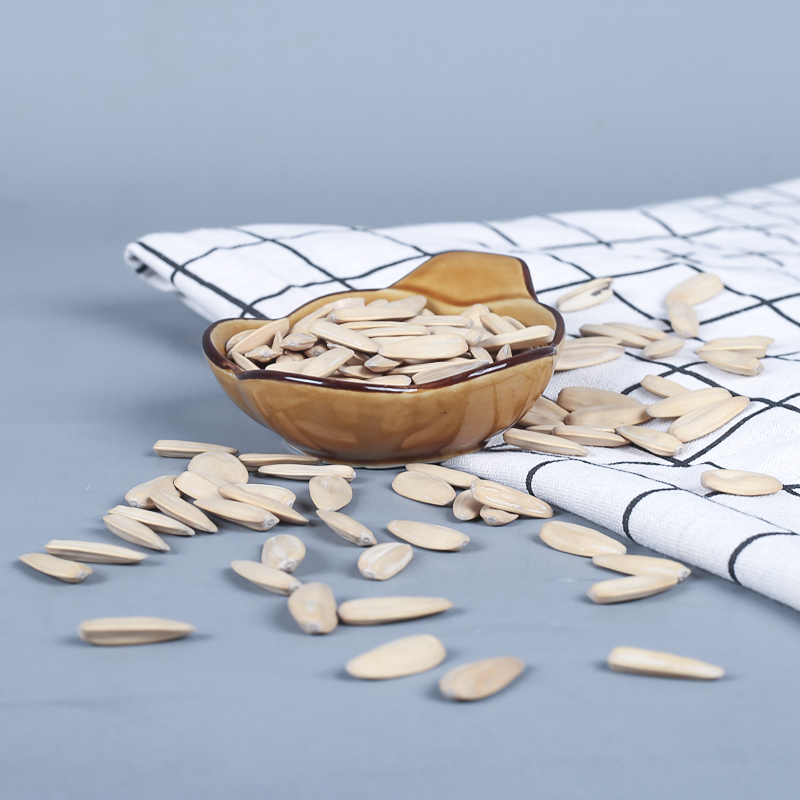
Sunflower seeds ( Helianthus annuus), specifically those designated as “high quality economic price,” represent a significant commodity within the global agricultural market. This technical guide details the compositional characteristics, manufacturing processes, performance specifications, potential failure modes, and industry standards relevant to this product. These seeds function as both a direct food source for human consumption and a crucial input for oil extraction, animal feed, and confectionery applications. The ‘economic price’ designation necessitates a balance between yield optimization, efficient processing techniques, and maintaining acceptable quality thresholds. This necessitates a granular understanding of seed composition, the impact of agricultural practices, and the post-harvest processing chain. Industry pain points revolve around maintaining consistent oil content, minimizing aflatoxin contamination, and ensuring optimal germination rates for seed destined for further propagation.
Material Science & Manufacturing
Sunflower seeds are composed primarily of lipid (35-50%), protein (18-25%), carbohydrates (15-20%), and fiber (5-10%), with smaller quantities of vitamins, minerals, and phenolic compounds. Lipid composition is crucial, largely consisting of linoleic acid (omega-6) and oleic acid (omega-9) which dictate oil quality. The seed hull, or pericarp, comprises approximately 20-30% of the seed mass and is primarily cellulose and lignin. Manufacturing begins with optimized agricultural practices, including selecting high-yielding, disease-resistant hybrids. Planting density, irrigation schedules, and fertilization regimes directly influence seed size, oil content, and protein levels. Harvesting is critical; optimal moisture content (around 9-12%) is essential to prevent fungal growth and seed damage. Post-harvest processing includes cleaning, drying, dehulling (for confectionary varieties), and grading based on size and quality. Dehulling is typically achieved mechanically using abrasive or impact methods, and careful control of these processes minimizes seed breakage and preserves oil quality. Thermal processing, such as roasting, alters the seed’s flavor profile and texture and can impact oil stability, potentially leading to lipid oxidation. The control parameters in these processes—temperature, duration, and airflow—are vital for consistently achieving the desired product characteristics. Maintaining seed integrity throughout these steps is paramount to prevent the introduction of mycotoxins, such as aflatoxins, a major concern for both human and animal consumption.
Performance & Engineering
The performance of sunflower seeds is largely evaluated based on oil yield, protein content, germination rate (for breeding seeds), and overall nutritional value. Oil yield is directly correlated with seed size and lipid content. Engineering considerations include the design of harvesting equipment to minimize seed damage and the efficiency of dehulling machinery. Seed moisture content during storage is a crucial factor; maintaining below 8.5% moisture prevents fungal growth and maintains oil quality. Storage facilities must be designed to control temperature and humidity, minimizing lipid oxidation and preserving germination viability. Force analysis is essential in understanding seed breakage during processing. The compressive strength of the seed hull dictates the optimal pressure settings for dehulling equipment. Environmental resistance relates primarily to storage conditions and susceptibility to insect infestation. Proper storage sanitation and the use of appropriate pest control measures are critical. Compliance requirements include adhering to maximum allowable limits for aflatoxins (established by regulatory bodies such as the FDA and EFSA) and meeting nutritional labeling standards. The hull's impact resistance, measured through drop tests and impact pendulum analyses, influences transport damage rates and subsequent processing efficiency.
Technical Specifications
| Parameter | Unit | Standard Grade | Economic Grade |
|---|---|---|---|
| Oil Content (Dry Basis) | % | 48-52 | 42-46 |
| Protein Content (Dry Basis) | % | 20-24 | 18-22 |
| Moisture Content | % | ≤8.5 | ≤9.5 |
| Foreign Matter | % | ≤1.0 | ≤2.0 |
| Damaged Seeds | % | ≤2.0 | ≤4.0 |
| Aflatoxin Level (B1, B2, G1, G2) | ppb | ≤5 | ≤10 |
Failure Mode & Maintenance
Sunflower seeds are susceptible to several failure modes. Lipid oxidation, leading to rancidity, is a common issue exacerbated by exposure to oxygen, light, and elevated temperatures. This manifests as an off-flavor and reduction in nutritional value. Microbial contamination, particularly by Aspergillus species, results in aflatoxin production, rendering the seeds unsafe for consumption. Physical damage during harvesting and processing leads to seed breakage, reducing market value and increasing susceptibility to moisture absorption and microbial attack. Insect infestation can cause significant losses during storage. Maintenance practices include implementing strict sanitation protocols in processing facilities, utilizing controlled atmosphere storage (reducing oxygen levels), and applying appropriate pest control measures. Regular monitoring of seed moisture content and temperature is critical. Employing robust quality control procedures throughout the supply chain, including regular aflatoxin testing, is essential. Seed coatings, incorporating antifungal agents, can provide a protective barrier against microbial growth during storage. Proper cleaning and drying of harvesting equipment minimize the initial load of contaminants and prevent seed damage.
Industry FAQ
Q: What is the primary factor impacting the shelf life of sunflower seeds?
A: The primary factor impacting shelf life is lipid oxidation. Exposure to oxygen, light, and heat accelerates this process, leading to rancidity. Proper storage in airtight containers, at cool temperatures, and protected from light is crucial to maximizing shelf life.
Q: How is aflatoxin contamination typically prevented?
A: Aflatoxin contamination is prevented through a multi-faceted approach. This includes selecting disease-resistant seed varieties, ensuring proper harvesting at optimal moisture levels, implementing strict sanitation protocols during processing, and utilizing controlled atmosphere storage. Regular testing for aflatoxin levels is also essential.
Q: What is the significance of the ‘economic grade’ specification for oil content?
A: The ‘economic grade’ specification for oil content reflects a trade-off between yield and cost. While higher oil content is generally desirable, achieving it can require more intensive agricultural practices and processing steps, increasing production costs. The ‘economic grade’ provides a threshold that balances oil yield with affordability.
Q: What are the implications of high levels of damaged seeds?
A: High levels of damaged seeds indicate poor harvesting or processing practices. Damaged seeds are more susceptible to microbial contamination, insect infestation, and moisture absorption, reducing overall quality and shelf life. They also have lower market value.
Q: How does seed moisture content affect long-term storage?
A: Seed moisture content is critically important for long-term storage. Moisture levels above 8.5% promote fungal growth and lipid oxidation, leading to aflatoxin production and rancidity. Maintaining low moisture content through proper drying and airtight storage is essential for preserving seed quality.
Conclusion
High quality economic price sunflower seeds represent a complex agricultural product requiring diligent control throughout the entire value chain, from seed breeding and cultivation to post-harvest processing and storage. Maintaining a balance between maximizing oil yield, minimizing contamination risks, and ensuring economic viability is paramount for industry stakeholders. The technical parameters detailed in this guide – including oil and protein content, moisture levels, and aflatoxin limits – provide a framework for assessing and controlling product quality.
Future advancements in sunflower seed technology will likely focus on developing hybrids with improved disease resistance, higher oil content, and enhanced nutritional profiles. Implementing advanced monitoring technologies and data analytics throughout the supply chain will enable more precise quality control and optimization of processing parameters. Continued research into effective and sustainable methods for aflatoxin mitigation will be crucial for ensuring the safety and reliability of this important food source.
