Introduction
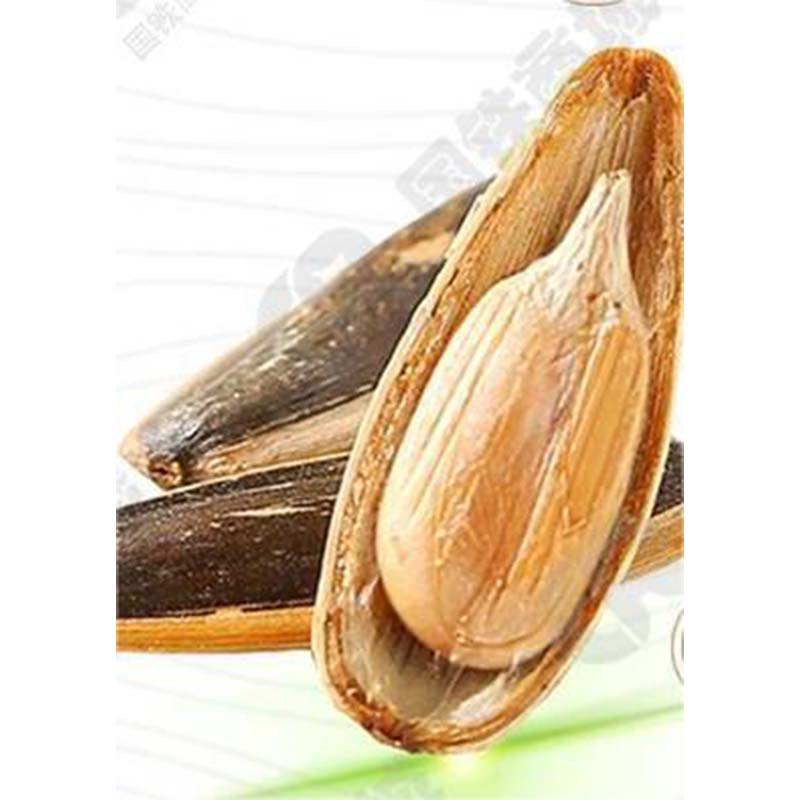
High-quality eating melon seeds represent a significant segment within the processed agricultural products industry, specifically classified under snack foods. These seeds, typically derived from watermelon ( Citrullus lanatus ) varieties bred for kernel size and quality, undergo a complex series of processing steps to achieve palatability and extended shelf life. Their position in the supply chain extends from agricultural production and seed selection, through cleaning, dehulling, drying, flavoring, and finally, packaging and distribution. Core performance characteristics – encompassing kernel size, oil content, moisture content, flavor profile, and freedom from defects – directly correlate to consumer acceptance and market value. A key industry pain point lies in consistently achieving uniform kernel quality and mitigating aflatoxin contamination, demanding stringent quality control measures throughout the entire process. The increasing consumer demand for healthy snacking options further drives innovation in processing techniques and flavor development.
Material Science & Manufacturing
The primary raw material is the mature seed kernel of specifically cultivated watermelon varieties. These kernels are predominantly composed of lipids (45-55% by weight), proteins (20-25%), carbohydrates (10-15%), and moisture (5-10%). The lipid fraction consists largely of unsaturated fatty acids, including linoleic acid, contributing to the nutritional value. Manufacturing commences with seed selection – prioritizing full-bodied, uniformly sized seeds. Cleaning removes debris (stalk fragments, hulls, dust). The critical step of dehulling, often employing mechanical abrasion and size-based separation, requires precise control of pressure and speed to minimize kernel damage. Following dehulling, seeds undergo drying, typically using hot air ovens at controlled temperatures (40-60°C) to reduce moisture content to 5-7% – a crucial factor for preservation. Flavoring involves coating the dried seeds with a mixture of salt, spices (MSG, chili powder, etc.), and occasionally, oil. Parameter control is paramount: Moisture content must be accurately measured using Karl Fischer titration. Oil content is assessed via Soxhlet extraction. Dehulling efficiency is monitored by measuring the percentage of unhulled seeds. Drying temperature and duration directly affect kernel texture and lipid oxidation rates. Finally, seeds are packaged in moisture-proof, airtight containers, often utilizing multilayer films (PET/PE) to prevent re-absorption of moisture and oxidation. Material compatibility between the seed oil and packaging material is essential to prevent flavor transfer and plasticizer migration.
Performance & Engineering
The engineering properties of melon seeds are critical for processing and consumption. Kernel hardness, measured using a texture analyzer, dictates dehulling efficiency and consumer mouthfeel. The shell’s fracture strength, determined through compression testing, influences the likelihood of kernel damage during dehulling. Environmental resistance is mainly focused on moisture control; high humidity leads to clumping and potential mold growth. Performance in packaging is governed by barrier properties – particularly moisture vapor transmission rate (MVTR) of the packaging material, aiming for values below 5 g/m²/day. Compliance requirements are multifaceted, encompassing food safety standards (e.g., HACCP, GMP) and regulations regarding permissible levels of heavy metals (lead, cadmium) and aflatoxins. Functional implementation centers on achieving a desirable sensory experience – balancing saltiness, spiciness, and a characteristic ‘crunch’. Force analysis during dehulling reveals optimal pressure ranges for minimizing kernel breakage while maximizing hull removal. The thermal stability of the lipids, assessed via differential scanning calorimetry (DSC), informs storage recommendations to prevent rancidity. A crucial engineering consideration is the design of drying systems to ensure uniform moisture removal without causing thermal degradation of the seed oil.
Technical Specifications
| Parameter | Unit | Typical Value (High Quality Seeds) | Test Method |
|---|---|---|---|
| Kernel Size (Average Diameter) | mm | 8-12 | Visual Inspection / Image Analysis |
| Moisture Content | % | 5-7 | Karl Fischer Titration (GB/T 5005-2008) |
| Oil Content | % | 45-55 | Soxhlet Extraction (GB/T 5004-2008) |
| Protein Content | % | 20-25 | Kjeldahl Method (GB/T 5003-2008) |
| Aflatoxin B1 Level | µg/kg | <2 | HPLC (GB 500-2010) |
| MVTR (Packaging Film) | g/m²/day | <5 | ASTM E96 |
Failure Mode & Maintenance
Failure modes in high-quality eating melon seeds encompass several categories. Rancidity, a primary concern, arises from lipid oxidation, accelerated by exposure to oxygen, light, and elevated temperatures. This results in off-flavors and reduced nutritional value. Kernel cracking/breakage occurs during dehulling and handling, lowering product appeal and increasing fines. Moisture absorption leads to clumping, microbial growth (mold), and a loss of crispness. Aflatoxin contamination, stemming from fungal growth during cultivation or improper storage, presents a significant food safety hazard. Flavor degradation can occur due to leaching of flavoring compounds or interaction with packaging materials. Maintenance focuses on preventative measures. Proper storage in cool, dry, dark conditions (temperature <25°C, relative humidity <60%) minimizes rancidity and moisture absorption. Implementing robust quality control procedures throughout the production process, including rigorous seed selection and monitoring of aflatoxin levels, is crucial. Packaging materials should be carefully selected to provide adequate barrier protection. Regular inspection of packaging integrity is essential to detect and replace damaged containers. Implementing a First-In, First-Out (FIFO) inventory management system minimizes storage duration and reduces the risk of degradation. For industrial equipment (dehullers, dryers), preventative maintenance schedules, including lubrication and component replacement, are vital for optimal performance and minimizing seed damage.
Industry FAQ
Q: What is the acceptable level of cracked kernels in a premium product?
A: For a premium product, the acceptable level of cracked kernels should be less than 2%, ideally closer to 1%. Higher percentages significantly impact consumer perception of quality and can lead to increased fines during processing and packaging. This requires careful calibration of dehulling equipment and gentle handling practices.
Q: How do you ensure consistent flavor intensity across different production batches?
A: Consistent flavor intensity is achieved through precise weighing and mixing of flavoring ingredients, using calibrated dispensing systems. Regular sensory evaluations (taste panels) are conducted to verify flavor profiles and make necessary adjustments. Maintaining consistent drying conditions is also critical, as moisture content influences flavor perception.
Q: What packaging materials are most effective at preventing rancidity?
A: Multi-layer films incorporating a metallized layer (aluminum) and a high-barrier plastic such as EVOH (ethylene vinyl alcohol) provide the most effective barrier against oxygen and light, significantly reducing lipid oxidation. Nitrogen flushing prior to sealing further minimizes oxygen levels within the package.
Q: What are the key indicators of potential aflatoxin contamination?
A: Key indicators include visual inspection for mold growth on seeds during harvest and storage, particularly under warm, humid conditions. Regular sampling and laboratory testing using HPLC (High-Performance Liquid Chromatography) are essential for quantitative assessment of aflatoxin levels. Source tracing of seeds to reputable suppliers with established quality control systems is also critical.
Q: How does kernel size impact the overall processing efficiency?
A: Kernel size significantly impacts dehulling efficiency. Uniform kernel size allows for optimal adjustment of dehulling equipment parameters, minimizing breakage and maximizing hull removal. Size grading before dehulling can improve efficiency, but adds complexity to the process. Larger kernels generally yield higher oil content and command a premium price.
Conclusion
The production of high-quality eating melon seeds is a multifaceted process requiring rigorous control over material science, manufacturing parameters, and quality assurance protocols. Achieving optimal kernel quality, minimizing defects, and ensuring food safety are paramount concerns. The interplay between lipid composition, moisture content, packaging integrity, and storage conditions fundamentally determines product shelf life and consumer acceptance.
Future advancements will likely focus on improved seed breeding programs to enhance kernel size and oil content, alongside the development of more efficient and gentle dehulling technologies. Exploring novel packaging materials with enhanced barrier properties and incorporating active packaging solutions (e.g., oxygen scavengers) will further extend shelf life and maintain product quality. Continual investment in analytical techniques for rapid and accurate aflatoxin detection will remain a critical priority to safeguard public health.
