Introduction
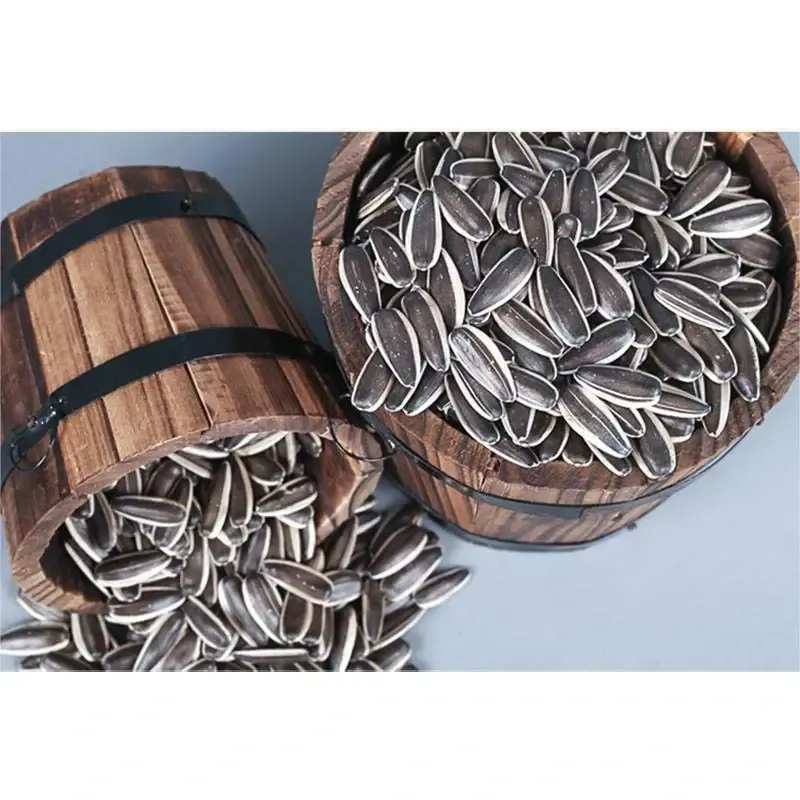
Raw sunflower seeds represent a significant segment of the global snack food industry, bridging the agricultural and processed food sectors. Technically positioned as a minimally processed oilseed, their quality directly impacts nutritional value, shelf life, and consumer acceptance. This guide will detail the critical factors governing high-quality raw sunflower seed production, focusing on seed composition, processing considerations, performance characteristics, potential failure modes, and relevant industry standards. Core performance is characterized by oil content, protein profile, moisture levels, and absence of detrimental compounds like aflatoxins. The primary industry pain point revolves around consistent quality, particularly minimizing variability in oil content and ensuring food safety compliance across batches and seasons. Maintaining optimal levels of polyunsaturated fatty acids while preventing rancidity is also a key challenge for producers and processors.
Material Science & Manufacturing
Sunflower seeds ( Helianthus annuus ) are comprised of a shell (hull), kernel, and embryo. The kernel comprises approximately 65-80% oil, 20-25% protein, and 5-10% carbohydrates. Oil composition is crucial, with linoleic acid (omega-6) dominating, alongside oleic acid (omega-9) in higher-oleic varieties. Manufacturing begins with seed selection – hybrid varieties bred for high oil content, large kernel size, and disease resistance are preferred. Harvesting timing is critical, impacting moisture content and susceptibility to mold growth. The primary processing steps involve cleaning (removing debris, stems, and leaves), dehulling (removing the outer shell, typically through impact or abrasive methods), size grading (separating kernels based on size for uniform quality), and drying (reducing moisture content to ≤10% to inhibit microbial activity and lipid oxidation). Key parameter control during drying includes temperature (max 45°C to prevent protein denaturation and oil degradation) and airflow rate. Dehulling efficiency is paramount, influencing the final product's palatability and reducing the risk of shell fragments. The physical properties of the seed – hardness, sphericity, and bulk density – significantly influence processing efficiency. Chemical compatibility is vital, preventing interaction with materials during processing, and ensuring food-grade lubricants are utilized.
Performance & Engineering
The performance of raw sunflower seeds is primarily evaluated through their nutritional profile and shelf stability. Oil content directly correlates to caloric density and provides essential fatty acids. Protein content contributes to satiety and supports muscle function. Force analysis during dehulling and handling considers seed compressive strength to minimize kernel damage. Environmental resistance is a key concern: high humidity promotes mold growth, while elevated temperatures accelerate lipid oxidation, leading to rancidity. Moisture sorption isotherms dictate the relationship between seed moisture content and water activity, informing packaging and storage requirements. Compliance requirements are stringent, adhering to food safety regulations (see section 7). Functional implementation centers on packaging – materials must provide a barrier against oxygen, moisture, and light to maintain quality. The use of Modified Atmosphere Packaging (MAP) with nitrogen flushing can extend shelf life by reducing oxygen levels. Packaging materials also require consideration for preventing migration of compounds into the seed, assessed through migration testing according to FDA and EFSA guidelines. Thermal properties, specifically heat capacity and thermal conductivity, influence drying rates and storage temperature control.
Technical Specifications
| Parameter | Unit | Typical Range (High Quality) | Testing Method |
|---|---|---|---|
| Oil Content | % (Dry Weight Basis) | 48-58% | Soxhlet Extraction (AOCS Official Method) |
| Protein Content | % (Dry Weight Basis) | 20-28% | Kjeldahl Method (AOCS Official Method) |
| Moisture Content | % | ≤10% | Oven Drying Method (AACC Method 925) |
| Aflatoxin Levels (Total) | ppb | ≤20 ppb | ELISA or HPLC (FDA Method) |
| Peroxide Value (PV) | meq O2/kg | ≤5 | Titration Method (AOCS Official Method) |
| Kernel Size (Diameter) | mm | 10-16 mm | Sieve Analysis |
Failure Mode & Maintenance
Failure modes in raw sunflower seeds primarily manifest as quality degradation rather than catastrophic failure. Rancidity, induced by lipid oxidation, is a major concern, resulting in off-flavors and reduced nutritional value. This is accelerated by exposure to oxygen, light, and elevated temperatures. Mold growth, particularly Aspergillus species, can lead to aflatoxin contamination, posing a serious health risk. Physical damage during processing (dehulling, handling) can result in broken kernels, reducing market value. Delamination – the separation of the kernel from the seed coat – can occur during drying if temperature is not carefully controlled. Failure analysis reveals that inadequate drying and improper storage are the primary root causes. Maintenance solutions involve strict adherence to Good Manufacturing Practices (GMPs), including regular cleaning of processing equipment, temperature and humidity control in storage facilities, and preventative pest control. Regular monitoring of aflatoxin levels and peroxide values is crucial. Proper packaging – utilizing moisture and oxygen barrier materials – is essential for extending shelf life. Maintaining a “first in, first out” (FIFO) inventory system minimizes the risk of prolonged storage and subsequent quality degradation.
Industry FAQ
Q: What are the critical control points for ensuring consistent oil content in raw sunflower seeds?
A: Critical control points include hybrid variety selection (choosing varieties with inherently high oil content), harvesting maturity (seeds must be fully developed), drying temperature (excessive heat degrades oil), and storage conditions (temperature and humidity control to prevent oil oxidation). Regular oil content analysis throughout the process is also essential.
Q: How does the dehulling process impact the final product quality?
A: Inefficient dehulling can leave residual hull fragments, affecting palatability and potentially harboring contaminants. Overly aggressive dehulling can damage the kernel, reducing its market value and increasing the risk of lipid oxidation. Optimizing dehulling parameters (impact force, abrasion rate) and implementing efficient separation techniques are crucial.
Q: What packaging materials are most effective for preserving the quality of raw sunflower seeds during long-term storage?
A: Multi-layer films incorporating an oxygen barrier (e.g., EVOH), a moisture barrier (e.g., polyethylene), and UV protection are recommended. Modified Atmosphere Packaging (MAP) with nitrogen flushing is beneficial. The material must also be food-grade and prevent migration of compounds into the seeds.
Q: What are the acceptable limits for aflatoxin contamination, and how can they be consistently achieved?
A: Regulatory limits vary by region, but generally range from 0-20 ppb. Achieving these limits requires sourcing seeds from regions with low aflatoxin risk, implementing pre-harvest and post-harvest controls (e.g., proper drying, storage, and handling), and regular testing of each batch.
Q: How can rancidity be prevented or delayed in raw sunflower seeds?
A: Rancidity is primarily caused by lipid oxidation. Prevention strategies include minimizing exposure to oxygen, light, and heat; utilizing antioxidants (though not typically added to raw seeds); proper drying to reduce moisture content; and packaging in oxygen barrier materials. Regular monitoring of peroxide value can indicate the onset of rancidity.
Conclusion
High-quality raw sunflower seed production necessitates a holistic approach encompassing careful variety selection, optimized harvesting and processing techniques, and stringent quality control measures. Maintaining consistent oil content, minimizing aflatoxin contamination, and preventing rancidity are paramount for meeting consumer expectations and regulatory requirements. A deep understanding of the material science, processing parameters, and potential failure modes is crucial for manufacturers seeking to establish a competitive advantage in the market.
Future developments will likely focus on breeding programs aimed at enhancing oil stability and disease resistance, as well as advanced packaging technologies incorporating active scavenging systems to further extend shelf life. Continuous monitoring of industry standards and emerging food safety regulations will be vital for ensuring compliance and maintaining consumer trust. Investing in efficient and gentle dehulling technologies will continue to be a priority for minimizing kernel damage and maximizing product yield.
