Introduction
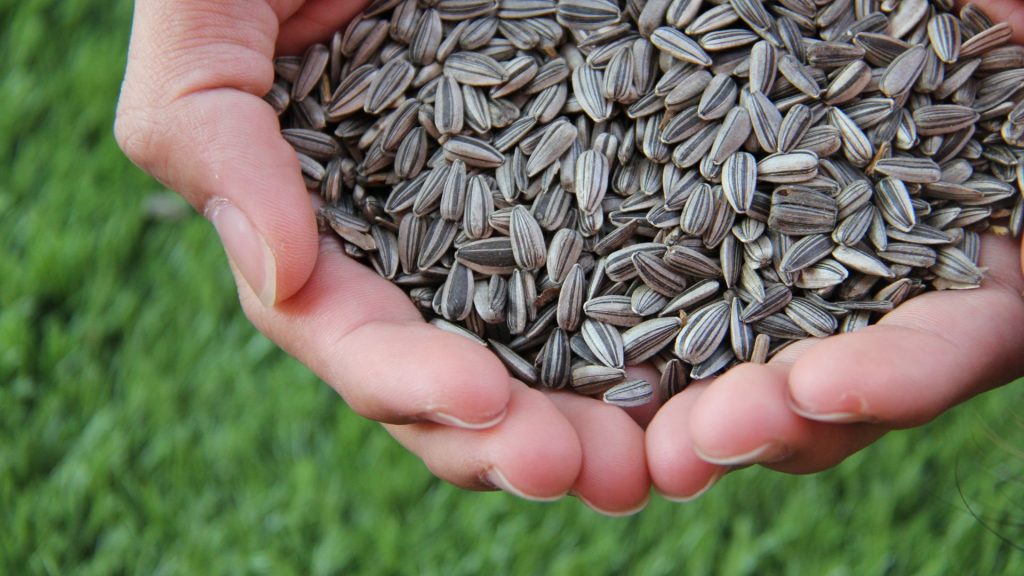
High quality dried sunflower seeds represent a significant commodity within the snack food, confectionery, and animal feed industries. Positioned as a processed product stemming directly from agricultural harvesting, these seeds undergo a series of critical post-harvest treatments to achieve optimal moisture content, palatability, and storage stability. Their technical position within the value chain links agricultural practices to food processing, demanding adherence to stringent quality control measures throughout drying, grading, and packaging. Core performance characteristics revolve around kernel integrity, oil content, protein levels, and absence of contaminants like aflatoxins. The increasing demand for healthy snacks and plant-based protein sources drives ongoing advancements in seed varieties and processing techniques, necessitating a detailed understanding of their underlying science and engineering principles.
Material Science & Manufacturing
Sunflower seeds ( Helianthus annuus) are primarily composed of an oil-rich kernel encased in a hull (pericarp). Kernel composition typically includes 40-50% oil, 20-30% protein, 10-20% carbohydrate, and 5-10% moisture. Oil quality, defined by linoleic and oleic acid ratios, is crucial. The hull itself consists largely of cellulose and lignin, providing structural integrity. Manufacturing begins with harvesting when seed moisture content is approximately 20-30%. Initial cleaning removes debris (stalks, leaves, soil). Drying is the paramount process – typically employing hot air convection drying. Key parameters include air temperature (60-80°C), air velocity, seed bed depth, and drying time. Maintaining consistent temperature and airflow is critical to avoid ‘hot spots’ leading to lipid oxidation and reduced oil quality. Improper drying results in susceptibility to mold growth and aflatoxin contamination. Seed grading separates seeds by size and density, removing damaged or underdeveloped kernels. Hullers mechanically remove the hulls, followed by further cleaning and polishing. Seed coating (with salt or flavorings) may occur, requiring precise application to ensure uniformity and prevent clumping. Control of seed moisture content post-processing is vital, aiming for 8-10% for long-term storage. Chemical compatibility between seed oils and coating materials is a critical consideration.

Performance & Engineering
The mechanical integrity of dried sunflower seeds is essential for efficient processing and handling. Force analysis during hulling operations must account for seed fragility and hull resistance. Compressive strength and shear strength are key parameters. Environmental resistance focuses on moisture regain and lipid oxidation. Seeds are hygroscopic, readily absorbing moisture from the atmosphere, which can lead to rancidity and mold growth. Packaging materials with low oxygen transmission rates (OTR) and low water vapor transmission rates (WVTR) are therefore crucial. Compliance requirements involve adherence to food safety standards (HACCP, GMP) and regulatory limits for aflatoxins (established by bodies like the FDA and EFSA). The drying process itself requires precise engineering control to maximize efficiency while minimizing thermal degradation of lipids and proteins. Thermal conductivity and specific heat capacity of the seeds dictate drying rates. Optimizing air flow patterns within the dryer is critical to ensuring uniform drying and preventing localized overheating. Storage stability requires controlled temperature and humidity, as well as protection from light and oxygen. Fatty acid profiles, specifically the polyunsaturated fatty acid content, determine oxidative stability and impact shelf life.
Technical Specifications
| Parameter | Unit | Typical Value (High Quality Seeds) | Testing Method |
|---|---|---|---|
| Moisture Content | % | 8-10 | Oven Drying (AOAC) |
| Oil Content | % | 45-55 | Soxhlet Extraction (AOCS) |
| Protein Content | % | 20-28 | Kjeldahl Method (AOAC) |
| Kernel Integrity (Damaged Kernels) | % | < 2 | Visual Inspection / Seed Counter |
| Aflatoxin Level (Total) | ppb | < 20 | ELISA (Enzyme-Linked Immunosorbent Assay) |
| Hull Content | % | < 5 | Mechanical Separation & Weighing |
Failure Mode & Maintenance
Failure modes in dried sunflower seeds primarily relate to deterioration of quality and safety. Lipid oxidation, leading to rancidity and off-flavors, is a common failure. This is accelerated by exposure to oxygen, light, and elevated temperatures. Aflatoxin contamination is a severe safety concern, arising from mold growth ( Aspergillus flavus and A. parasiticus) during pre-harvest or improper post-harvest handling. Mechanical damage during hulling and processing can lead to broken kernels and increased susceptibility to oxidation. Moisture regain during storage can activate enzymatic reactions and promote mold growth. Preventative maintenance involves strict temperature and humidity control during storage (ideally <15°C and <65% relative humidity). Packaging with oxygen scavengers and moisture barriers is crucial. Regular testing for aflatoxins is essential. Proper dryer maintenance, including cleaning and airflow optimization, minimizes hot spots and ensures uniform drying. Implementing robust quality control measures at all stages of the process, from harvesting to packaging, is vital. Seed treatment with anti-mold agents (where permitted by regulations) can provide an additional layer of protection. Careful inspection for insect infestation is also required.
Industry FAQ
Q: What is the critical importance of controlling seed moisture content after drying?
A: Controlling seed moisture content post-drying is paramount. Maintaining a moisture level of 8-10% significantly inhibits microbial growth (especially mold responsible for aflatoxins) and slows down enzymatic reactions that lead to lipid oxidation and off-flavor development. Proper moisture control is the primary determinant of shelf life and product safety.
Q: How does the oil content impact the susceptibility of sunflower seeds to rancidity?
A: Higher oil content directly correlates with increased susceptibility to rancidity. Sunflower oil is rich in polyunsaturated fatty acids, which are particularly prone to oxidation. The rate of oxidation is accelerated by exposure to oxygen, light, and heat. Seed varieties with higher oleic acid content are more resistant to oxidation than those with higher linoleic acid content.
Q: What are the key parameters to monitor during the drying process to ensure quality?
A: Critical parameters include air temperature, air velocity, seed bed depth, and drying time. Maintaining a consistent temperature and airflow profile is essential to prevent localized overheating. Monitoring seed moisture content throughout the drying process is also crucial to avoid under-drying (leading to mold growth) or over-drying (leading to kernel damage).
Q: What packaging materials are recommended to maximize shelf life and prevent degradation?
A: Packaging materials with low oxygen transmission rates (OTR) and low water vapor transmission rates (WVTR) are essential. Multi-layer films incorporating aluminum foil or metallized polyester provide excellent barrier properties. Vacuum packaging or modified atmosphere packaging (MAP) using nitrogen flushing can further extend shelf life. Adding oxygen scavengers to the packaging is also highly recommended.
Q: What regulatory limits for aflatoxins are generally accepted in the industry?
A: Regulatory limits for aflatoxins vary by country. In the United States, the FDA limit for total aflatoxins in sunflower seeds is 20 ppb (parts per billion). The European Food Safety Authority (EFSA) has established Tolerable Daily Intake (TDI) levels for aflatoxins. Compliance with these regulations is mandatory for international trade.
Conclusion
High quality dried sunflower seeds necessitate meticulous control throughout the entire supply chain, from agricultural practices to processing and packaging. Understanding the interplay between material science – specifically the chemical composition of the kernel and hull – and engineering principles, such as heat and mass transfer during drying, is paramount to ensuring a safe, palatable, and shelf-stable product. Failure to adhere to stringent quality control measures can result in significant economic losses due to spoilage, aflatoxin contamination, and diminished market value.
Future advancements in sunflower seed processing will likely focus on optimizing drying technologies to minimize lipid oxidation, developing seed varieties with enhanced oxidative stability, and implementing more sophisticated packaging solutions incorporating active barrier materials. Continued research into the identification and control of aflatoxin-producing molds remains a critical priority for ensuring the long-term sustainability of the sunflower seed industry.
