Introduction
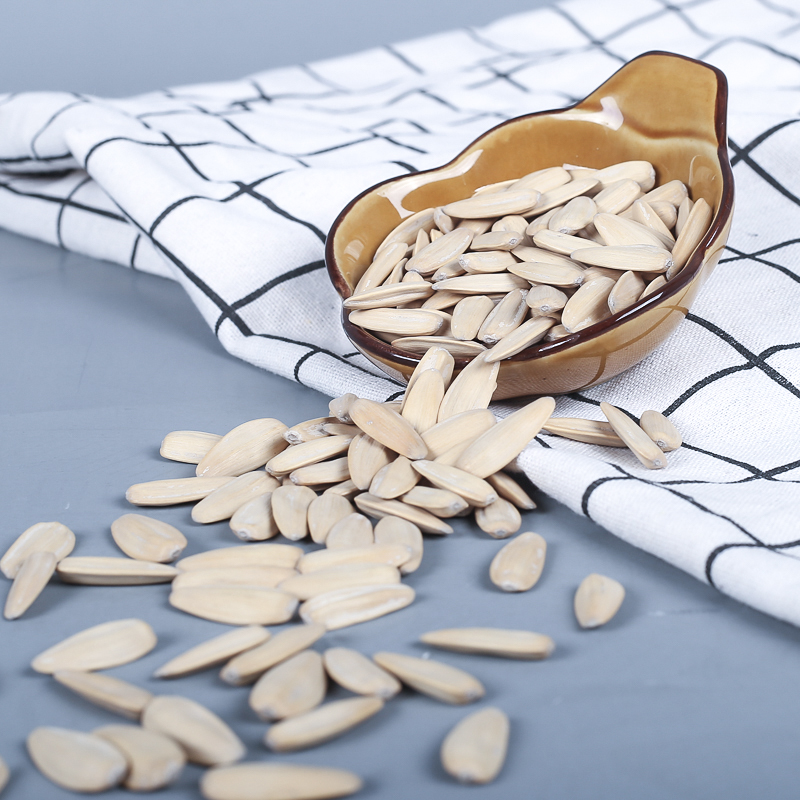
Sunflower seeds ( Helianthus annuus ) represent a globally significant oilseed crop, consumed both directly as a nutritious snack food and indirectly through the production of sunflower oil. This technical guide provides an in-depth analysis of high-quality sunflower seeds, encompassing variations in specifications based on intended use – confectionary, oil production, and birdseed – as well as examining key quality parameters and manufacturing considerations. The industry currently faces challenges relating to consistent oil content, aflatoxin contamination, and maintaining hull integrity for optimal processing efficiency. Understanding the intricacies of seed composition, processing techniques, and quality control protocols is vital for maximizing yield, minimizing waste, and delivering a premium product. We will examine parameters affecting seed quality, from genetic lineage to post-harvest handling, crucial for ensuring compliance with international standards and meeting the demands of a diverse market.
Material Science & Manufacturing
Sunflower seed composition is governed by its genetic makeup, growing conditions, and post-harvest processing. The primary constituents are oil (35-55%), protein (18-25%), carbohydrates (15-20%), and fiber (5-10%). The oil itself is composed predominantly of linoleic acid (60-75%), oleic acid (15-30%), and palmitic acid (3-6%). Hull material, comprised primarily of cellulose and lignin, contributes significantly to seed weight (28-50%) and impacts oil extraction efficiency. Manufacturing begins with seed selection – hybrid varieties are bred for specific traits like high oil content, disease resistance, and hull characteristics. Harvesting is typically mechanized, followed by drying to a moisture content of 8-10% to prevent fungal growth. Cleaning and grading remove foreign matter and categorize seeds based on size and quality. Further processing may include de-hulling, which improves oil yield and produces kernel fractions. Quality control during drying is paramount; rapid drying minimizes enzymatic activity that degrades oil quality. Proper storage in temperature and humidity-controlled environments is critical to maintain seed viability and prevent lipid peroxidation. Hull integrity during de-hulling is often monitored using automated visual inspection systems to ensure minimal kernel damage. The material properties of the hull influence its brittleness and how easily it separates from the kernel during the de-hulling process.
Performance & Engineering
The performance of sunflower seeds is evaluated based on several key engineering properties. Hull strength, measured using compression testing, dictates the energy required for de-hulling and impacts kernel damage. Kernel hardness, determined via indentation testing, correlates with oil extraction efficiency – harder kernels typically yield more oil. Seed density, a function of oil content and moisture level, influences seed sorting and grading accuracy. The angle of repose, a measure of flowability, is crucial for efficient handling in processing equipment. Environmental resistance considerations include storage stability against temperature fluctuations and humidity changes. High humidity promotes fungal growth and aflatoxin production, necessitating careful storage conditions. The seeds must also withstand mechanical stress during handling, transportation, and processing without significant kernel breakage. Compliance requirements depend on the intended market. Confectionary seeds require stringent size uniformity and absence of defects. Oilseed varieties demand high oil content and low free fatty acid levels. Birdseed specifications focus on germination rates and nutritional value. Force analysis is applied during de-hulling to optimize machine settings and minimize kernel damage. Optimizing seed flow through processing lines requires careful consideration of friction coefficients and material handling characteristics.
Technical Specifications
| Specification | Confectionary Grade | Oil Production Grade | Birdseed Grade | Testing Method |
|---|---|---|---|---|
| Oil Content (%) | 48-52 | 50-58 | 35-45 | Soxhlet Extraction (AOCS Official Method) |
| Kernel Size (mm) | 12-16 | 10-14 | 8-12 | Sieve Analysis |
| Moisture Content (%) | 8-9 | 8-10 | 8-12 | Oven Drying Method (AACC Method) |
| Hull Content (%) | <10 | 20-30 | 40-50 | Visual Inspection & Weight Difference |
| Free Fatty Acid (FFA) (%) | <0.5 | <1.0 | N/A | Titration (AOCS Official Method) |
| Aflatoxin Levels (ppb) | <4 | <10 | <20 | HPLC Analysis (AOAC Official Method) |
Failure Mode & Maintenance
Sunflower seed failure modes encompass both pre- and post-harvest issues. Pre-harvest failures include fungal infections (leading to aflatoxin contamination), insect damage, and bird predation. Post-harvest failures are commonly related to improper storage conditions. Moisture uptake during storage promotes mold growth and lipid oxidation, resulting in rancidity and reduced oil quality. Mechanical damage during handling and processing (cracked kernels, hull abrasions) increases susceptibility to spoilage. Fatigue cracking of the hull can occur from repeated compression forces during de-hulling. Delamination of the kernel from the hull, especially in high-moisture conditions, lowers oil extraction efficiency. Oxidation of unsaturated fatty acids leads to off-flavors and reduced nutritional value. Maintenance protocols include rigorous cleaning of storage facilities, regular monitoring of temperature and humidity, and implementation of pest control measures. Seed treatments with fungicides can prevent fungal growth during storage. Preventative maintenance of processing equipment (de-hullers, cleaners, dryers) is critical to minimize mechanical damage. Regular quality control testing for aflatoxins and FFA levels is essential. Proper ventilation in storage silos prevents the buildup of moisture and condensation. Implementing a First-In, First-Out (FIFO) inventory system ensures that older seed stocks are used before newer ones, minimizing the risk of spoilage.
Industry FAQ
Q: What are the primary factors contributing to aflatoxin contamination in sunflower seeds?
A: Aflatoxin contamination is primarily caused by Aspergillus flavus and Aspergillus parasiticus fungi, which thrive in warm, humid conditions. Pre-harvest stress (drought, insect damage) increases susceptibility. Improper drying and storage practices exacerbate the problem. Maintaining low moisture content (below 8-10%) and implementing effective storage sanitation protocols are crucial prevention measures.
Q: How does hull integrity affect the efficiency of oil extraction?
A: Intact hulls hinder oil extraction as they create a physical barrier. De-hulling removes the hull, exposing the kernel and facilitating oil release. However, excessive hull damage during de-hulling can also reduce efficiency by creating fine particles that clog extraction equipment. Optimizing de-hulling parameters (impact force, shear rate) is vital.
Q: What are the key differences between confectionary and oil production grade sunflower seeds regarding quality control?
A: Confectionary grade seeds undergo more stringent quality control regarding size uniformity, kernel appearance (absence of defects), and low FFA levels. Oil production grade focuses primarily on high oil content and low hull content. Aflatoxin limits are also more restrictive for confectionary seeds.
Q: What testing methods are used to determine the oil content of sunflower seeds?
A: The most common method is Soxhlet extraction, an official method of the American Oil Chemists’ Society (AOCS). This involves solvent extraction of the oil from a representative sample, followed by evaporation of the solvent and weighing the residue. Near-infrared (NIR) spectroscopy is a faster, non-destructive alternative, though it requires calibration against Soxhlet results.
Q: What is the impact of storage temperature on the shelf life of sunflower seeds?
A: Lower storage temperatures significantly extend shelf life. Lipid oxidation rates double for every 10°C increase in temperature. Ideally, seeds should be stored at temperatures below 20°C and humidity levels below 65%. Refrigeration or controlled atmosphere storage can further prolong viability and quality.
Conclusion
High-quality sunflower seeds are a complex agricultural product, demanding meticulous attention to detail throughout the entire lifecycle – from genetic selection and cultivation to harvesting, processing, and storage. Maintaining optimal oil content, minimizing contamination risks (particularly aflatoxins), and preserving hull integrity are paramount for achieving desired performance characteristics, whether for direct consumption, oil extraction, or animal feed. Understanding the underlying material science and engineering principles is crucial for optimizing processing parameters and ensuring consistent product quality.
The future of sunflower seed production will likely focus on developing hybrid varieties with enhanced disease resistance, improved oil profiles, and optimized hull characteristics for more efficient processing. Advancements in precision agriculture and real-time quality monitoring technologies will enable more proactive management of pre-harvest and post-harvest factors, further minimizing losses and maximizing yield. Continued research into novel storage techniques and aflatoxin mitigation strategies will be essential for ensuring the long-term sustainability and safety of this valuable crop.
