Introduction
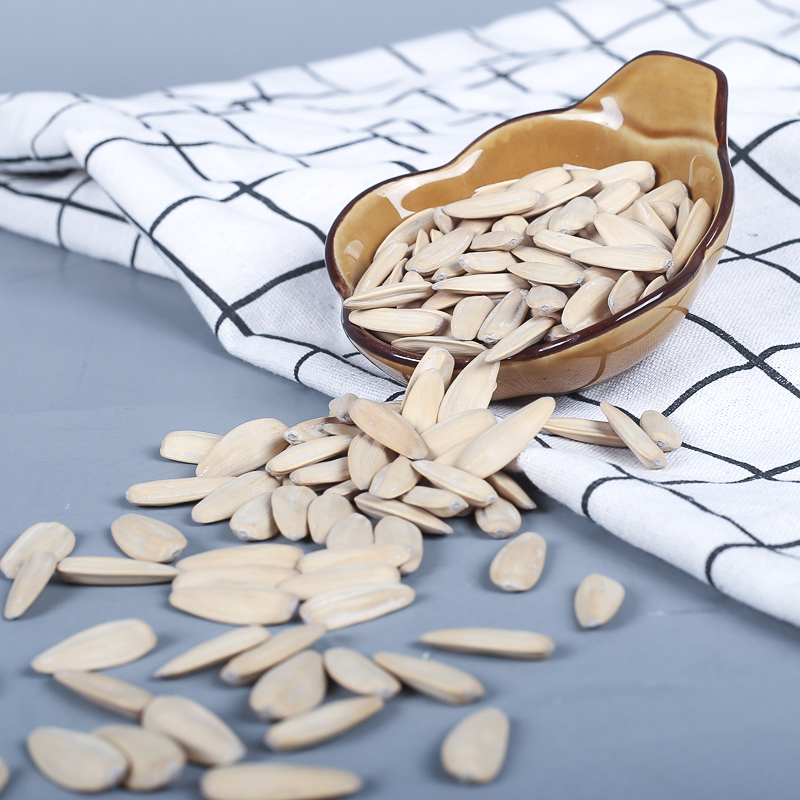
Sunflower seeds (Helianthus annuus) represent a significant agricultural commodity, categorized broadly into oilseed and confectionary types. This technical guide focuses on high-quality confectionary sunflower seeds, differentiated by size, intended for direct human consumption. The industry chain positions these seeds post-harvest, encompassing cleaning, grading, sizing, dehulling (optional), drying, and packaging. Core performance characteristics – kernel plumpness, oil content (within acceptable limits for confectionery), hull integrity, and freedom from defects – dictate market value and end-use applications, ranging from snacking to inclusion in baked goods and trail mixes. A crucial pain point within the industry is maintaining consistent seed size and quality across harvests, directly impacting processing efficiency and consumer acceptance. Size variation necessitates adjustments in shelling and roasting processes, and quality inconsistencies lead to rejection and waste.
Material Science & Manufacturing
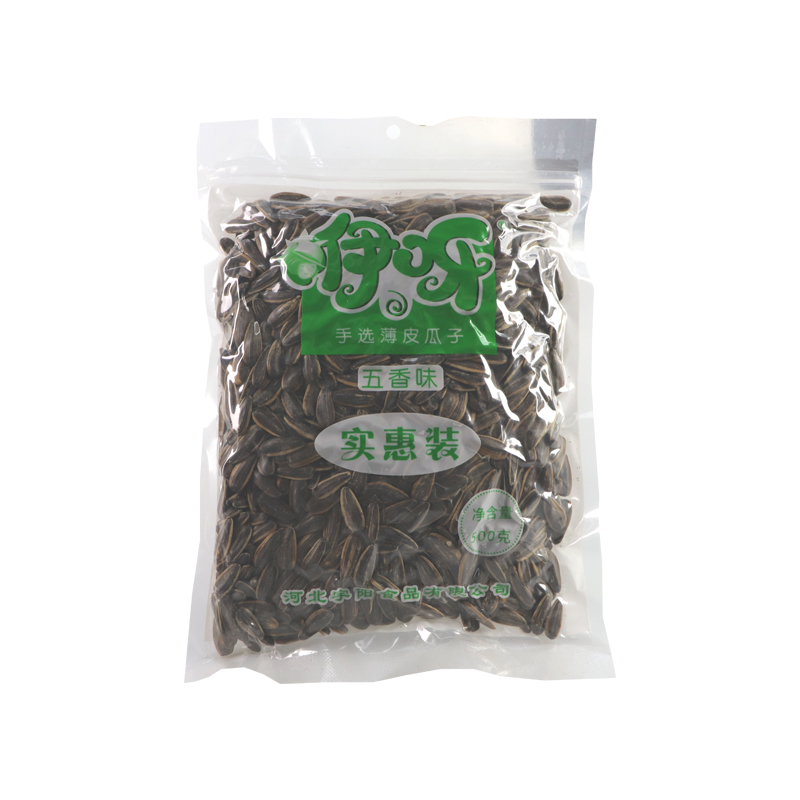
The primary constituent of sunflower seeds is the kernel, comprised largely of lipids (40-50% oil content, primarily linoleic acid), proteins (20-25%), carbohydrates (15-20%), and fiber. The hull, or pericarp, consists primarily of cellulose, hemicellulose, and lignin, providing structural integrity. Raw material quality begins with genetic selection of sunflower varieties, influencing kernel size, oil profile, and hull characteristics. Manufacturing commences with harvesting at optimal maturity, impacting oil accumulation and moisture content. Cleaning removes debris (stalks, leaves, dirt). Grading separates seeds based on size using screens; maintaining tight size tolerances is paramount. Drying, typically utilizing forced-air systems, reduces moisture content to 8-10% for preservation. Key parameters in drying include air temperature (40-60°C) and airflow rate to prevent cracking and maintain kernel viability. Dehulling, an optional process, removes the hull, increasing the edible portion but potentially diminishing shelf-life due to increased oil oxidation. Parameter control during dehulling – roller pressure, feed rate – minimizes kernel damage. Finally, optical sorting removes discolored or damaged seeds. Chemical compatibility is critical in packaging materials to prevent rancidity due to oil migration; low-permeability films are favored.
Performance & Engineering
Performance is largely dictated by kernel mechanical strength and resistance to stress cracking during processing and handling. Force analysis during shelling reveals that kernel rupture strength correlates directly with hull thickness and moisture content. Environmental resistance is critical for shelf-life stability. Exposure to oxygen, light, and elevated temperatures accelerates lipid oxidation, leading to rancidity. Packaging materials, therefore, must provide an effective barrier. Compliance requirements vary by region. The U.S. FDA regulates sunflower seeds as food, requiring adherence to Good Manufacturing Practices (GMPs) and limitations on aflatoxin levels (regulated under the Federal Food, Drug, and Cosmetic Act). EU regulations (Regulation (EC) No 1881/2006) establish maximum levels for contaminants. Functional implementation involves careful control of roasting parameters (temperature, time) to achieve desired flavor profiles and texture while minimizing oil degradation. Size grading impacts roasting uniformity; smaller seeds roast faster than larger ones. Proper sizing is therefore critical to prevent scorching or under-roasting.
Technical Specifications
| Seed Size Grade | Kernel Percentage (%) | Moisture Content (%) | Oil Content (%) |
|---|---|---|---|
| Extra Large (6.0mm+) | 58-62 | 8.0-9.0 | 48-52 |
| Large (5.0-5.9mm) | 55-60 | 8.5-9.5 | 45-50 |
| Medium (4.0-4.9mm) | 52-58 | 9.0-10.0 | 42-48 |
| Small (3.0-3.9mm) | 48-55 | 9.5-10.5 | 40-45 |
| Extra Small (Below 3.0mm) | 45-52 | 10.0-11.0 | 38-42 |
| Hull Damage (%) - Maximum | - | - | - |
Failure Mode & Maintenance
Common failure modes include rancidity due to lipid oxidation, leading to off-flavors and reduced nutritional value. This is accelerated by improper storage conditions (high temperature, humidity, light exposure). Mechanical damage during processing (shelling, roasting) results in broken kernels and increased susceptibility to oxidation. Microbial contamination (molds, yeasts) can occur if moisture content is excessive or storage conditions are unsanitary, leading to aflatoxin production. Physical degradation manifests as seed coat cracking or splitting, reducing aesthetic appeal and potentially accelerating moisture absorption. Maintenance strategies include implementing a robust storage protocol (cool, dry, dark environment), employing appropriate packaging materials with oxygen barriers, and regular monitoring of moisture content and oil quality (peroxide value, free fatty acid content). Preventive maintenance on processing equipment (shellers, roasters, graders) minimizes mechanical damage. Implementing a Hazard Analysis and Critical Control Points (HACCP) plan is crucial for preventing microbial contamination.
Industry FAQ
Q: What are the critical factors influencing sunflower seed oil stability during storage?
A: Oil stability is primarily governed by minimizing exposure to oxygen, light, and heat. Packaging with low oxygen permeability, storage in a cool (below 20°C), dark, and dry environment, and the presence of natural antioxidants (like Vitamin E inherent in sunflower oil) are critical. Regular monitoring of peroxide value and free fatty acid levels provides an indication of oil degradation.
Q: How does seed size affect the efficiency of the dehulling process?
A: Consistent seed size is vital for optimal dehulling. Significant size variation requires wider adjustment ranges on dehulling equipment, leading to increased kernel damage (splitting, cracking) and reduced hull removal efficiency. Precise size grading before dehulling is therefore essential.
Q: What are the key indicators of sunflower seed quality beyond oil content and moisture levels?
A: Kernel plumpness (a visual indicator of oil accumulation), freedom from defects (insect damage, mold, discoloration), and the presence of foreign materials are important. Aflatoxin levels, assessed through laboratory testing, are a critical safety parameter.
Q: What are the implications of exceeding the specified moisture content for confectionary sunflower seeds?
A: Exceeding 8-10% moisture content significantly increases the risk of mold growth and aflatoxin production during storage. It also accelerates enzymatic activity, leading to oil degradation and off-flavors. Drying to the specified moisture level is crucial for preserving quality and safety.
Q: What role does genetic variety play in sunflower seed quality and consistency?
A: Genetic variety dictates inherent characteristics such as kernel size, oil profile, hull thickness, and resistance to disease. Selecting varieties specifically bred for confectionary purposes, with consistent performance across growing seasons, is fundamental to achieving high-quality and uniform sunflower seeds.
Conclusion
High-quality confectionary sunflower seeds demand stringent control throughout the entire supply chain, from genetic selection to storage. Maintaining consistent seed size, optimizing moisture content, and protecting against oxidative degradation are paramount to ensuring product integrity and consumer satisfaction. The industry’s ongoing challenges revolve around achieving these goals amidst fluctuating environmental conditions and evolving regulatory requirements.
Further advancements in seed breeding, improved drying technologies, and the development of innovative packaging materials with enhanced barrier properties will continue to refine the production of high-quality sunflower seeds. Adherence to internationally recognized standards and implementation of robust quality control programs remain essential for mitigating risks and meeting the demands of a discerning market.
