Introduction
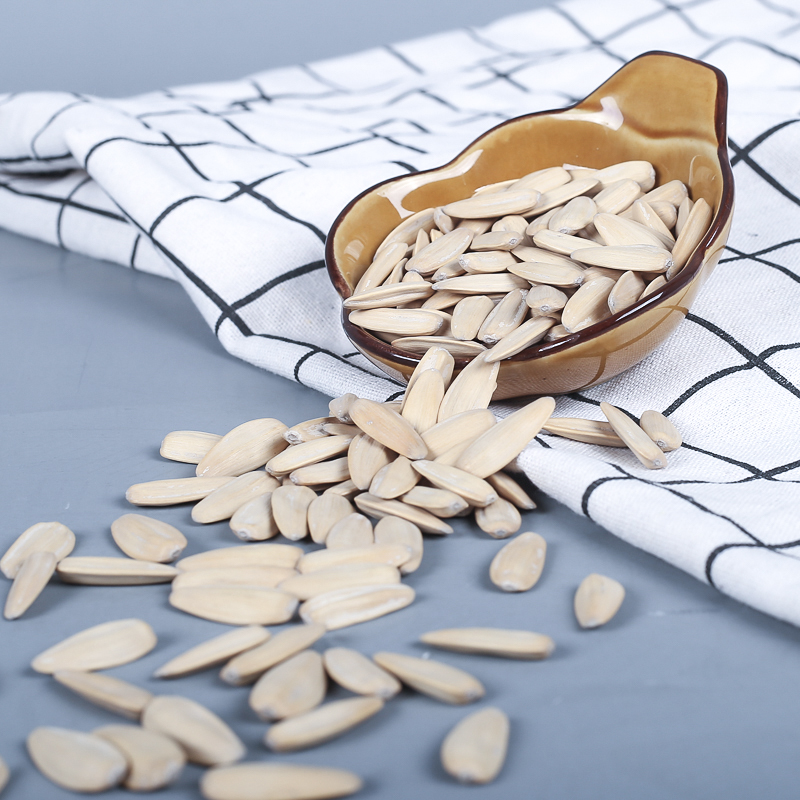
High quality chrysanthemum flavor sunflower seeds represent a specialized segment within the processed sunflower seed market, distinguished by their flavoring profile and targeting of consumer preferences for nuanced taste experiences. These seeds are not simply hulled and salted; they undergo a sophisticated flavoring process involving the infusion of chrysanthemum extract and complementary flavor compounds. Their technical position in the food chain places them between primary agricultural production (sunflower cultivation) and finished consumer goods (packaged snacks). Core performance metrics revolve around flavor consistency, seed integrity (minimizing broken or damaged kernels), moisture content control (influencing shelf life and texture), and oil content optimization for palatability. A critical pain point in the industry is maintaining consistent flavor application across large batches, preventing flavor degradation during storage, and ensuring compliance with food safety regulations regarding flavoring agents.
Material Science & Manufacturing
The primary raw material is the sunflower seed kernel (Helianthus annuus), specifically cultivars selected for high oil content and kernel size. Kernel oil content typically ranges from 42-58% by weight, influencing flavor adhesion and texture. The chrysanthemum flavoring component derives from dried chrysanthemum flowers (Chrysanthemum morifolium), undergoing extraction to isolate volatile aromatic compounds, primarily esters and terpenoids. Manufacturing begins with kernel cleaning, dehulling, and size grading. The flavoring process typically employs a tumble-coating method, where the seeds are continuously rotated in a drum while a precisely metered spray of chrysanthemum extract, carrier oils (often sunflower oil itself), and flavor enhancers (e.g., sugars, salts, citric acid) is applied. Critical parameters include spray nozzle pressure (affecting droplet size and evenness of coating), drum rotation speed (ensuring uniform coating), and drying temperature (to remove residual solvent and prevent flavor volatilization). Precise control of these parameters is essential to achieve the desired flavor intensity and adherence. Seed moisture content post-flavoring is rigorously controlled to below 8% to inhibit microbial growth and maintain crispness. Packaging materials, typically multilayer films with aluminum barriers, play a role in preserving flavor integrity and extending shelf life. Chemical compatibility between the flavoring agents and packaging materials must be verified to prevent flavor leaching or absorption.
Performance & Engineering
Performance is assessed through several key engineering aspects. Flavor intensity and consistency are quantified using gas chromatography-mass spectrometry (GC-MS) to analyze volatile organic compounds released from the seeds. Sensory panels conduct subjective taste tests, evaluating aroma, flavor balance, and overall acceptability. Mechanical strength of the seed coat is critical to prevent breakage during processing and handling; this is assessed via compression testing and impact resistance measurements. The adhesion of the flavoring coating is evaluated through a shake-off test, measuring the percentage of coating lost after controlled agitation. Environmental resistance is primarily focused on maintaining flavor stability under varying temperature and humidity conditions. Accelerated shelf-life testing, simulating long-term storage, is conducted to predict flavor degradation rates. Compliance requirements pertain to food safety regulations established by organizations such as the FDA (Food and Drug Administration) in the US, EFSA (European Food Safety Authority) in Europe, and similar bodies in other regions. These regulations dictate permissible levels of flavoring agents, contaminants, and packaging material migration. Specifically, regulations concerning chrysanthemum extract must be adhered to, ensuring the absence of harmful pesticide residues or mycotoxins. Proper packaging engineering is crucial to prevent oxygen and moisture ingress, preserving flavor and extending shelf life.
Technical Specifications
| Parameter | Unit | Specification | Test Method |
|---|---|---|---|
| Moisture Content | % w/w | ≤ 8.0 | AOAC 925.10 |
| Oil Content | % w/w | 48-54 | Soxhlet Extraction (AOAC 920.39) |
| Chrysanthemum Flavor Intensity | ppm (Specific Compounds) | 150-250 (varies by compound) | GC-MS |
| Broken Kernel Rate | % w/w | ≤ 3.0 | Visual Inspection & Sieve Analysis |
| Coating Adhesion (Shake-Off Loss) | % w/w | ≤ 5.0 | Shake-Off Test (Internal Method) |
| Peroxide Value (Indicator of Rancidity) | meq O2/kg | ≤ 5.0 | AOCS Cd 8-53 |
Failure Mode & Maintenance
Common failure modes include flavor degradation (loss of chrysanthemum aroma and taste over time), rancidity (development of off-flavors due to lipid oxidation), and physical damage (broken kernels and coating loss). Flavor degradation is often caused by volatilization of aromatic compounds, accelerated by exposure to oxygen, light, and high temperatures. Rancidity occurs when unsaturated fatty acids in the sunflower oil oxidize, leading to undesirable flavors and odors. Physical damage can occur during processing, handling, and transportation. Microbial contamination, although less common due to low moisture content, can also contribute to spoilage. Maintenance, in this context, primarily focuses on preventative measures. Proper storage conditions are crucial: cool (≤ 25°C), dry (≤ 65% RH), and dark. Packaging integrity must be maintained to prevent oxygen and moisture ingress. Inventory rotation (FIFO – First In, First Out) minimizes storage time. Regular quality control checks, including sensory evaluations and chemical analyses, can detect early signs of degradation. Implementation of a robust Hazard Analysis and Critical Control Points (HACCP) plan helps identify and mitigate potential food safety hazards throughout the production process.
Industry FAQ
Q: What is the primary driver of flavor loss in chrysanthemum flavored sunflower seeds during storage?
A: The primary driver is the volatilization of key aroma compounds present in the chrysanthemum extract. These compounds are often esters and terpenoids, which have relatively high vapor pressures and can readily escape from the seed coating over time, especially at elevated temperatures or with exposure to air. Oxygen also contributes by initiating oxidation reactions that can alter the flavor profile.
Q: How do you ensure consistent flavor application across a large production batch?
A: Consistent flavor application requires precise control of several parameters during the flavoring process. These include accurate metering of the chrysanthemum extract solution, uniform spray nozzle pressure, consistent drum rotation speed, and optimal drying temperature. Regular calibration of spraying equipment and continuous monitoring of these parameters are essential. Batch testing and sensory evaluation are also performed to verify flavor uniformity.
Q: What packaging materials are best suited to maximize shelf life and preserve flavor?
A: Multi-layer films incorporating an aluminum barrier layer are generally preferred. The aluminum layer provides excellent protection against oxygen and moisture, minimizing flavor degradation and rancidity. The inner layer of the film should be chemically compatible with the flavoring agents to prevent leaching or absorption. Vacuum packaging or nitrogen flushing can further enhance shelf life by removing oxygen from the package.
Q: What quality control tests are performed to assess the quality of the finished product?
A: A comprehensive quality control program includes several tests. These include moisture content analysis, oil content determination, assessment of chrysanthemum flavor intensity via GC-MS, evaluation of broken kernel rate, measurement of coating adhesion, and sensory evaluation by a trained panel. Peroxide value analysis is also conducted to monitor lipid oxidation and assess rancidity.
Q: Are there any specific regulatory concerns regarding the use of chrysanthemum extract as a flavoring agent?
A: Regulatory concerns center around the source and purity of the chrysanthemum extract. It’s crucial to ensure the extract is derived from approved cultivars and is free from pesticide residues, heavy metals, and other contaminants. Compliance with food safety regulations in the target market (e.g., FDA in the US, EFSA in Europe) is essential, including adherence to permitted levels of flavoring agents and proper labeling requirements.
Conclusion
High quality chrysanthemum flavor sunflower seeds represent a complex food product requiring meticulous control over material science, manufacturing processes, and quality assurance procedures. Maintaining consistent flavor intensity, preventing rancidity, and ensuring compliance with stringent food safety regulations are paramount. The application of analytical techniques such as GC-MS, coupled with rigorous sensory evaluation, is crucial for assessing product quality and stability.
Future development in this area will likely focus on encapsulation technologies to enhance flavor retention and extend shelf life, as well as the exploration of novel extraction methods to improve the purity and yield of chrysanthemum flavor compounds. Sustainability considerations, such as sourcing sunflower seeds from environmentally responsible farms and utilizing biodegradable packaging materials, will also gain increasing importance.
