
Introduction
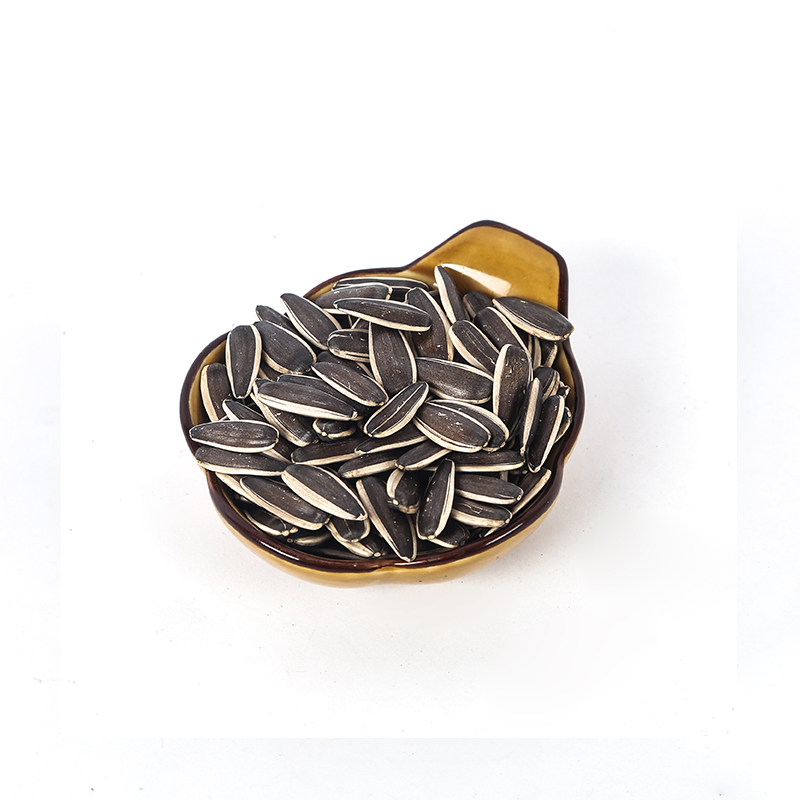
High quality Chinese sunflower seeds represent a significant commodity within the global edible oilseed market, serving as a crucial input for food production, animal feed, and increasingly, industrial applications. These seeds, typically derived from Helianthus annuus, are categorized based on oil content, kernel size, and hull characteristics, dictating their suitability for specific processing pathways. Their position in the industry chain starts with agricultural cultivation within China – predominantly in the provinces of North China, and extends through harvesting, cleaning, grading, dehulling, oil extraction (mechanically pressed or solvent extracted), and ultimately, the sale of kernels, oil, and meal. Core performance characteristics center around oil yield (typically 40-55% by weight), protein content of the kernel meal (around 20-25%), and the absence of mycotoxins and foreign materials. A key market driver is the demand for high-oleic sunflower oil, recognized for its improved oxidative stability and health benefits, placing stringent requirements on seed quality and variety selection. This guide details the complexities of Chinese sunflower seed quality, focusing on material origins, processing, performance parameters, potential failure modes, and relevant industrial standards.
Material Science & Manufacturing
The foundation of high-quality sunflower seeds lies in the genetic composition of the cultivar and the environmental conditions during growth. Kernels are composed primarily of lipids (triglycerides, phospholipids), proteins, carbohydrates, and minor components like vitamins, minerals, and phenolic compounds. The fatty acid profile is crucial; high-oleic varieties contain a significantly higher proportion of oleic acid (C18:1) compared to linoleic acid (C18:2), enhancing oil stability. Raw material sourcing involves careful selection of seed varieties adapted to the specific Chinese growing regions. Manufacturing begins with harvesting at optimal maturity – indicated by seed moisture content (typically 10-12%). Post-harvest processing encompasses cleaning (removal of stalks, leaves, and other debris), drying to reduce moisture content to 8-9% for safe storage, and grading based on size and density. Dehulling is a critical step, removing the outer hull to increase oil yield and improve kernel quality. This is commonly achieved through mechanical abrasion or impact. Key parameter control during dehulling includes minimizing kernel damage (expressed as kernel breakage percentage) and maintaining hull-kernel separation efficiency. Oil extraction utilizes either mechanical pressing (expelling) or solvent extraction (typically using hexane). Solvent extraction provides higher oil yields but requires rigorous solvent removal to meet food safety standards. The final stage involves refining, bleaching, and deodorizing the crude oil to produce edible sunflower oil, and processing the remaining seed meal for animal feed. Moisture control throughout the process is paramount to prevent mold growth and mycotoxin contamination.
Performance & Engineering
Sunflower seed performance is inherently linked to its physical and chemical properties. Force analysis, particularly during dehulling, considers the compressive strength of the hull and the shear strength of the kernel interface. Maintaining a balance between efficient hull removal and minimizing kernel damage is a key engineering challenge. Environmental resistance is vital for storage stability. Sunflower seeds and oil are susceptible to oxidation, especially when exposed to oxygen, light, and elevated temperatures. Packaging materials with low oxygen permeability and UV protection are therefore critical. Compliance requirements are extensive, dictated by both Chinese national standards and international food safety regulations. These include limits on heavy metals (lead, cadmium, mercury), pesticide residues, and mycotoxins (aflatoxins, ochratoxins). The functional implementation of sunflower seeds in various applications—oil extraction, snack food production, and feed formulation—demands specific kernel characteristics. For oil extraction, a higher oil content and lower free fatty acid (FFA) content are desirable. For snack foods, kernel size, shape, and flavor profile are paramount. The mechanical strength of the kernel also plays a role in determining its suitability for roasting and seasoning processes. Stress testing, including accelerated shelf-life studies, is employed to assess long-term performance and predict degradation rates under different storage conditions.
Technical Specifications
| Parameter | Unit | Standard Grade | Premium Grade |
|---|---|---|---|
| Oil Content (Dry Basis) | % | 40-45 | 48-55 |
| Kernel Moisture Content | % | 8-9 | 8-8.5 |
| Kernel Foreign Matter | % | ≤2 | ≤0.5 |
| Kernel Damage (Broken Kernels) | % | ≤5 | ≤2 |
| Free Fatty Acid (FFA) | % | ≤1.5 | ≤0.8 |
| Aflatoxin B1 | µg/kg | ≤2 | ≤1 |
Failure Mode & Maintenance
Sunflower seeds are susceptible to several failure modes. Fatigue cracking can occur during processing, particularly during dehulling and oil extraction, leading to increased kernel breakage and reduced oil yield. Delamination, or the separation of the kernel from the hull, can also occur if the dehulling process is not optimized. Degradation of oil quality is a major concern, primarily due to oxidation, resulting in rancidity and decreased nutritional value. This is accelerated by exposure to light, heat, and oxygen. Oxidation also leads to the formation of peroxides and aldehydes, affecting the flavor and aroma of the oil. Mycotoxin contamination, particularly by Aspergillus species, is a critical food safety issue, potentially occurring during pre-harvest conditions or improper storage. Maintenance strategies focus on preventative measures. Regular cleaning and sanitation of processing equipment are essential to minimize microbial contamination. Proper storage conditions – low temperature (≤10°C), low humidity (≤65%), and darkness – are crucial to prevent oxidation and mycotoxin growth. Implementing a robust quality control system, including regular testing for mycotoxins, FFA, and peroxide value, is paramount. Periodic equipment inspections and maintenance, including bearing lubrication and belt tension adjustments, are necessary to prevent mechanical failures. Seed treatment with appropriate fungicides during pre-harvest stages can mitigate fungal growth and mycotoxin production.
Industry FAQ
Q: What are the key differences in oil quality between high-oleic and conventional sunflower oil, and how are these differences measured?
A: High-oleic sunflower oil possesses a significantly higher percentage of oleic acid (typically >70%) compared to linoleic acid, while conventional sunflower oil contains roughly equal proportions of both. This higher oleic acid content confers greater oxidative stability, reducing rancidity and extending shelf life. The difference is measured through gas chromatography (GC) analysis of the fatty acid methyl esters (FAMEs) derived from the oil. Peroxide value (PV) and Anisidine value (AV) are also used to assess the level of oxidation, with lower values indicating higher quality.
Q: What methods are employed to ensure the absence of genetically modified organisms (GMOs) in Chinese sunflower seeds destined for export markets?
A: Ensuring GMO-free status requires a multi-faceted approach. This includes sourcing seeds from certified non-GMO suppliers, implementing segregation protocols throughout the supply chain (from farm to processing facility), and conducting polymerase chain reaction (PCR) testing to detect the presence of GMO-derived DNA. Documentation and traceability systems are crucial to maintain the integrity of the non-GMO claim.
Q: How does the climate in different Chinese growing regions influence the oil content and fatty acid profile of sunflower seeds?
A: Sunflower seeds grown in warmer, drier climates generally exhibit higher oil content due to increased photosynthetic efficiency and reduced stress. However, the fatty acid profile can be more influenced by the specific cultivar used. Regions with longer growing seasons often allow for the development of seeds with a higher oleic acid content. Careful cultivar selection, tailored to the local climate, is thus critical.
Q: What are the primary considerations when selecting packaging materials for long-term storage of sunflower seeds, particularly to prevent rancidity?
A: Packaging materials should exhibit low oxygen permeability, low water vapor transmission rate (WVTR), and UV protection. Multi-layer films, incorporating materials like aluminum foil or metallized polyester, are commonly used. Vacuum packaging or modified atmosphere packaging (MAP) with nitrogen flushing can further reduce oxygen levels. The packaging material must also be food-grade and comply with relevant migration limits for plasticizers and other additives.
Q: What quality control procedures are in place to detect and mitigate the risk of aflatoxin contamination in Chinese sunflower seeds?
A: Stringent quality control procedures involve pre-harvest monitoring for fungal infections, rapid drying of harvested seeds to reduce moisture content, and regular testing for aflatoxin B1 using ELISA (enzyme-linked immunosorbent assay) or HPLC (high-performance liquid chromatography). Seeds exceeding the permissible aflatoxin limit are rejected or subjected to detoxification treatments, although the latter is less common due to potential impact on oil quality.
Conclusion
The production of high-quality Chinese sunflower seeds is a complex interplay of agricultural practices, material science, and engineering principles. Maintaining consistent quality requires careful cultivar selection, optimized processing parameters, stringent quality control measures, and adherence to international food safety standards. The industry faces ongoing challenges related to mycotoxin contamination, oil oxidation, and the demand for sustainable agricultural practices.
Future advancements will likely focus on developing new sunflower varieties with enhanced oil content, improved fatty acid profiles, and increased resistance to fungal diseases. Implementing advanced processing technologies, such as supercritical fluid extraction, and improving storage and packaging methods will further enhance the quality and shelf life of sunflower seeds and oil. Continuous monitoring and adaptation to evolving regulatory requirements will be crucial for maintaining market access and ensuring consumer safety.
