
Introduction
High-quality Chinese organic melon seeds represent a significant segment within the global agricultural commodities market. These seeds, derived from Cucumis melo cultivars, are valued for their genetic purity, high germination rates, and suitability for producing melons with desirable characteristics such as flavor, size, and shelf life. Their position in the industry chain extends from initial breeding and organic certification through processing, packaging, and ultimately, agricultural production. Core performance metrics center around seed viability, genetic stability, resistance to common plant diseases, and compliance with stringent organic farming standards. The increasing global demand for organically produced foods drives the need for consistent quality and reliable sourcing of these seeds, making meticulous attention to these factors paramount.
Material Science & Manufacturing
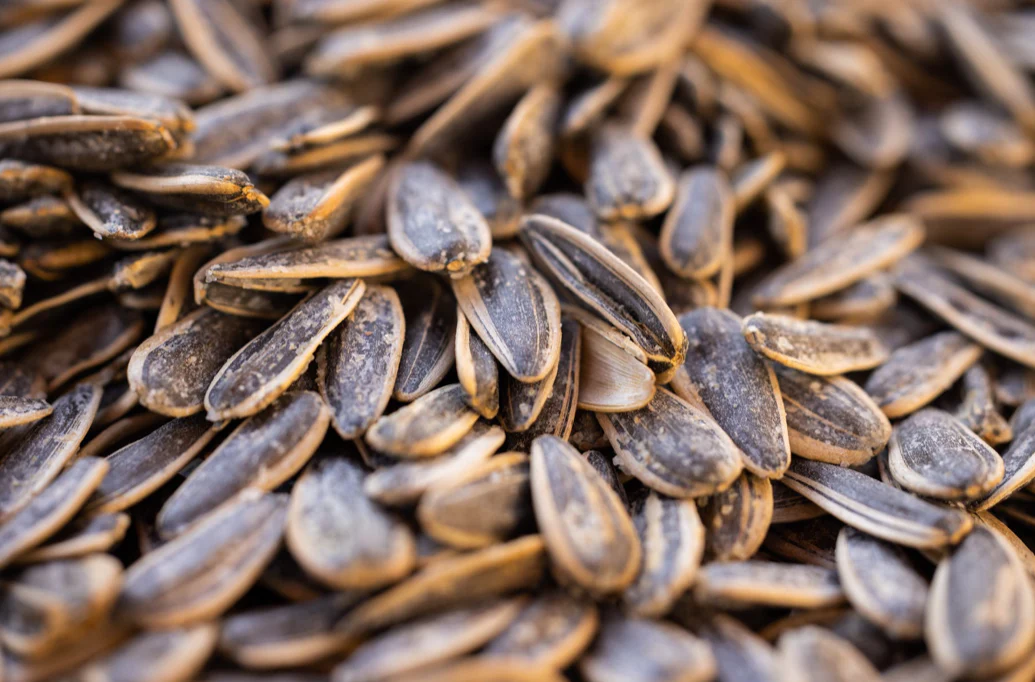
The fundamental material science of melon seeds centers on their endosperm composition, primarily carbohydrates, proteins, and lipids. The carbohydrate fraction provides energy for germination and seedling development. Proteins contribute to the structural integrity of the seed and provide essential amino acids. Lipids, particularly fatty acids, are crucial for energy storage and membrane formation. The seed coat, composed of cellulose and lignin, provides physical protection against environmental stresses. Manufacturing, in this context, refers to the multi-stage process of seed production. This begins with controlled pollination of selected parent plants, ensuring genetic purity. Seeds are then harvested, dried to a specific moisture content (typically 8-10% to prevent fungal growth), and cleaned to remove debris. Crucially, organic certification requires that all processes adhere to strict guidelines prohibiting synthetic pesticides, herbicides, and fertilizers. Post-harvest treatment involves seed sizing and grading, utilizing sieves and automated sorting systems based on seed weight and physical appearance. Parameter control during drying is critical; temperature and humidity must be carefully monitored to avoid damaging the seed embryo. Storage conditions – low temperature (below 15°C) and low humidity – are essential for maintaining seed viability over extended periods. The presence of mycotoxins, produced by fungal contamination, is a significant concern and requires rigorous testing.
Performance & Engineering
Performance evaluation of melon seeds focuses on several key engineering parameters. Germination rate, measured as the percentage of seeds that successfully sprout under controlled conditions, is a primary indicator of seed quality. Viability, determined through tetrazolium testing (TZ test) or similar methods, assesses the living tissue within the seed. Seedling vigor, representing the rate of growth and development after germination, is critical for establishing a robust crop. Resistance to common soilborne pathogens, such as Fusarium oxysporum and Colletotrichum orbiculare, is genetically engineered or selected for through breeding programs. Environmental resistance encompasses tolerance to temperature fluctuations, drought stress, and salinity. Compliance requirements stem from both organic certification bodies (e.g., USDA Organic, European Union Organic Regulation) and national plant health regulations. Functional implementation hinges on proper seedbed preparation, optimal planting depth, and adequate soil moisture. Force analysis, while less direct, is relevant to the mechanical stresses experienced during harvesting, processing, and packaging – minimizing seed damage during these stages is vital. Seed coating technologies, utilizing organic polymers, can enhance seed protection, improve handling characteristics, and deliver beneficial microorganisms to the seed-soil interface.
Technical Specifications
| Parameter | Unit | Specification | Test Method |
|---|---|---|---|
| Germination Rate | % | ≥ 85 | ISTA Method |
| Purity | % | ≥ 98 | Seed Blow Test |
| Moisture Content | % | 8 – 10 | Oven Drying Method |
| Seed Size (Length) | mm | 12 – 16 | Sieve Analysis |
| Seed Weight (1000 seeds) | g | 250 – 350 | Precision Weighing |
| Inert Substance | % | ≤ 2 | Visual Inspection |
Failure Mode & Maintenance
Failure modes for organic melon seeds can be categorized as pre-planting and post-planting. Pre-planting failures include low germination due to seed aging, mechanical damage during handling, or contamination with pathogens. Insufficient moisture during storage can lead to seed desiccation and reduced viability. Post-planting failures often involve damping-off disease caused by Pythium or Rhizoctonia species, particularly in poorly drained soils. Seedborne viruses, though less common in organic systems, can significantly reduce crop yield. Another failure mode is poor seedling vigor, resulting in susceptibility to environmental stress and competition from weeds. Maintenance, in this context, refers to proper storage and handling procedures. Seeds should be stored in airtight containers, protected from light, heat, and moisture. Regular monitoring of storage conditions is crucial. Implementing crop rotation and utilizing disease-resistant varieties can minimize post-planting failures. Seed treatments with organic fungicides (e.g., Bacillus subtilis) can provide some protection against soilborne pathogens. Maintaining optimal soil fertility and drainage is essential for promoting healthy seedling growth. Addressing seed coating delamination, caused by improper coating application or environmental exposure, is also a key maintenance aspect.
Industry FAQ
Q: What are the key differences between hybrid and open-pollinated organic melon seeds, and how do these differences impact crop performance?
A: Hybrid seeds, created by crossing genetically distinct parent lines, typically exhibit higher uniformity, vigor (heterosis), and disease resistance. However, saving seeds from hybrid melons will not produce consistent results in subsequent generations. Open-pollinated seeds, resulting from natural pollination, allow for seed saving and maintain genetic consistency across generations, but may exhibit greater variability in crop performance. Organic certification requires careful sourcing and adherence to non-GMO principles for both types.
Q: How does the seed coating process influence germination and seedling establishment in organic melon production?
A: Organic seed coatings, utilizing materials like humic acid, seaweed extract, or beneficial microorganisms, can improve seed handling, protect against pests and diseases, and enhance germination rates by providing a micro-environment conducive to moisture absorption. However, the coating material must be fully organic-compliant and not inhibit germination or seedling development. Improper coating application can lead to uneven germination.
Q: What are the critical quality control measures employed during the processing of organic melon seeds to ensure compliance with international standards?
A: Quality control begins with rigorous testing of the parent plants to ensure genetic purity and freedom from disease. Seed processing facilities must be certified organic and adhere to strict sanitation protocols to prevent contamination. Testing includes germination rate, purity, moisture content, and analysis for prohibited substances. Batch traceability is essential for tracking seeds from origin to final product.
Q: How do different soil types and irrigation methods affect the performance of organic melon seeds?
A: Organic melon seeds thrive in well-drained, sandy loam soils with a pH of 6.0-7.0. Heavy clay soils can impede germination and root development. Drip irrigation is the preferred method, delivering water directly to the root zone and minimizing foliar disease. Overhead irrigation can increase the risk of fungal infections. Soil testing is crucial to determine nutrient deficiencies and amend the soil accordingly with organic fertilizers.
Q: What is the shelf life of organic melon seeds, and how should they be stored to maximize viability?
A: Properly stored organic melon seeds typically maintain a viability of 80% or higher for 3-5 years. Optimal storage conditions include low temperature (below 15°C), low humidity (below 50%), and protection from light. Seeds should be stored in airtight containers and monitored periodically for signs of deterioration. Avoid temperature fluctuations during storage.
Conclusion
High-quality Chinese organic melon seeds represent a complex intersection of agricultural science, manufacturing precision, and stringent regulatory compliance. Maintaining genetic purity, optimizing storage conditions, and implementing rigorous quality control measures are paramount to ensuring consistent seed performance and meeting the growing demand for organically produced melons. The success of organic melon cultivation ultimately relies on the inherent quality of the seed itself.
Future advancements in seed technology, particularly in the areas of seed coatings and disease resistance, will continue to enhance the reliability and productivity of organic melon production. Addressing the challenges associated with climate change and ensuring sustainable farming practices will be critical for safeguarding the long-term viability of this important agricultural sector. Continued investment in research and development is essential to optimize seed performance and promote environmentally responsible melon cultivation.
