Introduction
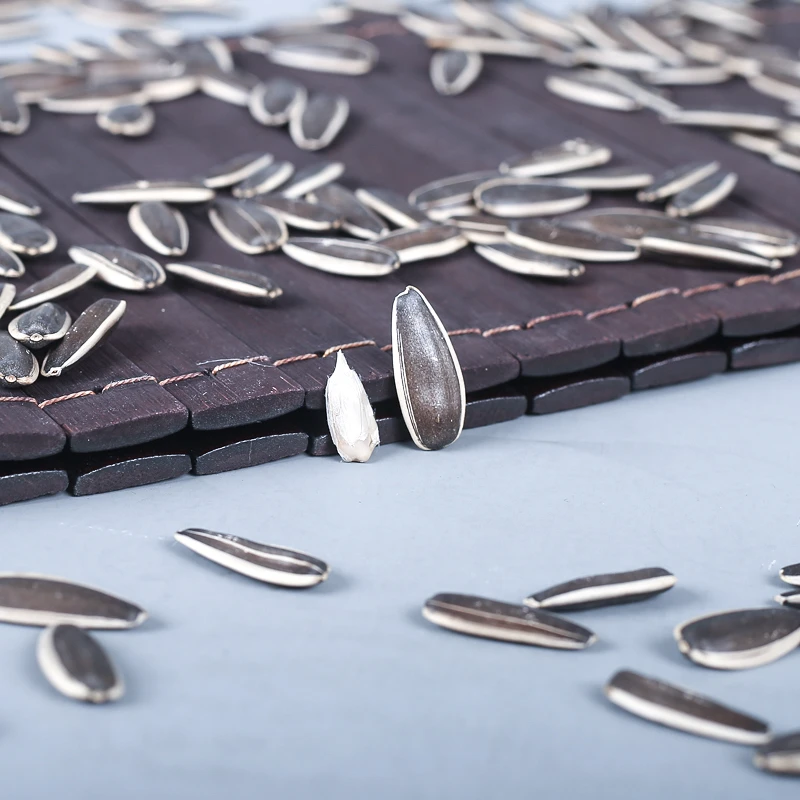
Chinese melon seeds ( _Cucurbita pepo_ ) represent a significant segment within the global snack food industry, particularly in Asian markets. This technical guide details the intricacies of high-quality production, focusing on kernel characteristics, processing parameters, and quality control measures essential for consistent product performance and consumer acceptance. The product’s position in the food chain is post-harvest processing; it transforms a raw agricultural commodity into a value-added snack. Core performance metrics center on flavor profile (salt, spice, roasting levels), kernel integrity (absence of damage or shriveling), moisture content (shelf-life stability), and the absence of foreign materials. A primary industry pain point is achieving consistent kernel quality from variable agricultural yields, maintaining optimal roasting parameters for flavor development without inducing acrylamide formation, and ensuring compliance with increasingly stringent food safety regulations regarding aflatoxin levels and heavy metal contamination. This guide addresses these concerns with a deep dive into material science, manufacturing, and quality assurance.
Material Science & Manufacturing
The primary raw material is the melon seed kernel, consisting primarily of lipids (40-50%), proteins (20-25%), carbohydrates (15-20%), and moisture (5-10%). Lipid composition is crucial, with unsaturated fatty acids influencing flavor stability and oxidative rancidity. Kernel shell material is primarily cellulose and lignin, providing a protective barrier. Manufacturing begins with harvesting and drying to a 12-14% moisture content to prevent mold growth. Shelling is mechanically performed, requiring precise calibration to minimize kernel damage. Post-shelling, kernels undergo cleaning to remove debris and broken pieces. Roasting is the critical processing step, typically employing hot air ovens at temperatures ranging from 140-180°C for 15-30 minutes, dependent on desired roast level and kernel size. Parameter control is paramount: temperature uniformity, air velocity, and roasting time directly impact flavor development, texture, and acrylamide formation. Seasoning is applied post-roasting, employing a dry coating process with salt, spices, and sometimes flavor enhancers. Packaging utilizes multi-layer films with barrier properties to protect against moisture, oxygen, and light, ensuring shelf-life stability. The selection of seasoning ingredients, especially those containing nitrates/nitrites, requires careful monitoring to prevent N-nitrosamine formation.
Performance & Engineering
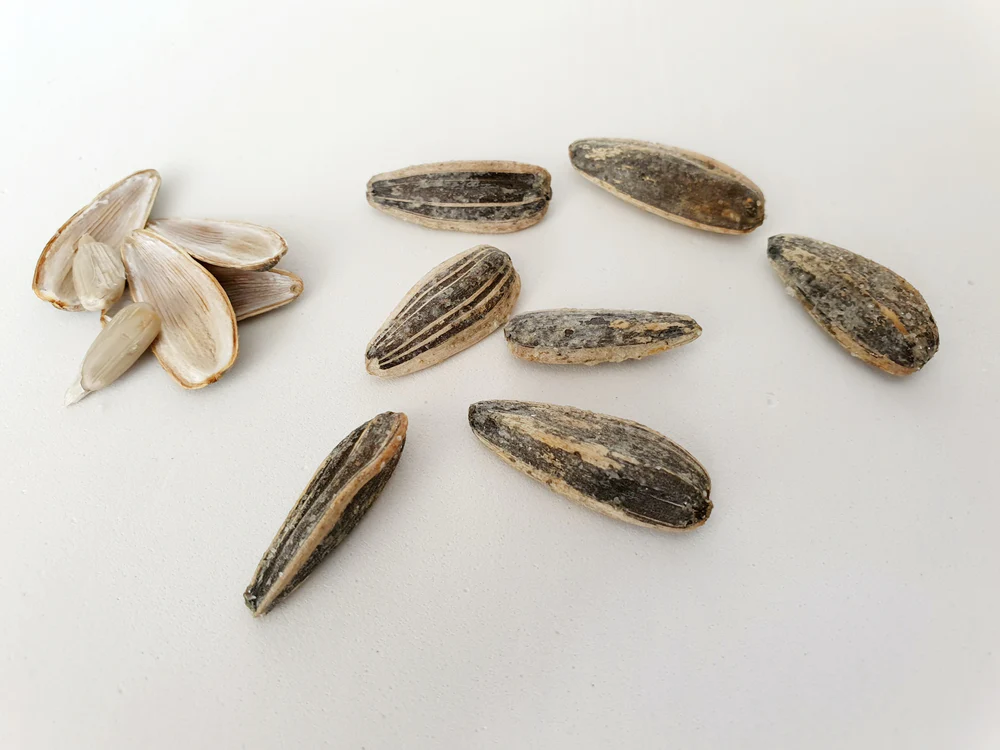
Performance is evaluated based on several key factors. Shear force analysis determines the ideal kernel texture – a balance between crunchiness and ease of chewing. Moisture content significantly impacts shelf life; exceeding 10% promotes microbial growth and rancidity. Roasting temperature directly influences flavor profile. Lower temperatures yield milder flavors, while higher temperatures result in more pronounced roasted notes, but increase the risk of acrylamide formation. Environmental resistance focuses on maintaining kernel integrity during transportation and storage. Packaging materials must withstand mechanical stress (impact, compression) and protect against humidity and temperature fluctuations. Compliance requirements are stringent, governed by food safety standards (see Section 7). Aflatoxin levels are a critical concern, necessitating rigorous sourcing and quality control procedures. The physical dimensions of the kernels (length, width, thickness) affect the flowability of the product during packaging and the uniformity of seasoning application. Proper packaging design must account for head space to prevent bag bursting due to gas buildup from residual moisture and metabolic processes.
Technical Specifications
| Parameter | Unit | Specification (Grade A) | Testing Method |
|---|---|---|---|
| Moisture Content | % | ≤ 8.0 | Oven Drying (GB/T 5005-2008) |
| Kernel Damage (Broken/Shriveled) | % | ≤ 3.0 | Visual Inspection & Sieve Analysis |
| Aflatoxin B1 | µg/kg | ≤ 2.0 | HPLC (GB 50008-2010) |
| Oil Content | % | 45-55 | Soxhlet Extraction (GB/T 6492-2008) |
| Salt Content | % | 1.5-2.5 | Titration (GB/T 5009.3-2016) |
| Peroxide Value (Oil Rancidity) | meq O2/kg | ≤ 5.0 | Potentiometric Titration (GB/T 3920-2008) |
Failure Mode & Maintenance
Common failure modes include rancidity due to lipid oxidation, characterized by off-flavors and odors. This is accelerated by exposure to oxygen, light, and elevated temperatures. Kernel cracking or fracturing during processing (shelling, roasting) reduces aesthetic appeal and creates dust. Aflatoxin contamination, even at low levels, represents a serious food safety hazard. Moisture absorption leads to softening of kernels and microbial growth. Packaging failure (seal defects, punctures) compromises barrier properties, accelerating spoilage. Maintenance involves strict adherence to Good Manufacturing Practices (GMPs). Proper storage of raw materials (low temperature, dry environment) is crucial. Regular cleaning and sanitation of processing equipment prevent microbial contamination. Monitoring and control of roasting parameters minimizes acrylamide formation. Implementing a robust traceability system allows for swift identification and recall of contaminated batches. Periodic inspection of packaging materials ensures seal integrity. Preventative maintenance of roasting equipment prevents temperature fluctuations and ensures uniform heating. Regular lipid analysis (peroxide value, acid value) monitors oil quality and detects early signs of rancidity.
Industry FAQ
Q: What are the key differences between different roasting profiles and how do they impact product quality?
A: Roasting profiles, defined by temperature and duration, dramatically influence flavor development and kernel texture. Lower temperatures (140-150°C) produce milder, nuttier flavors with a softer texture. Higher temperatures (170-180°C) yield more intense roasted flavors and a crisper texture but increase acrylamide risk. Precisely controlling roasting time prevents scorching and ensures consistent moisture reduction. Monitoring kernel color is a crucial indicator of roast level.
Q: How can we effectively mitigate the risk of aflatoxin contamination?
A: Aflatoxin mitigation begins with sourcing from reputable suppliers with established quality control systems. Raw materials must be tested for aflatoxin levels before processing. Proper drying and storage of kernels are essential, as fungal growth is favored by moisture. Implementing a Hazard Analysis and Critical Control Points (HACCP) plan is crucial, with critical control points focused on raw material inspection, drying, and storage. Regular auditing of suppliers is recommended.
Q: What packaging materials offer the best barrier properties for maintaining product freshness?
A: Multi-layer films incorporating aluminum foil or metallized polyester provide superior barrier properties against oxygen, moisture, and light. The inner layer should be food-grade polyethylene or polypropylene. Seal strength and puncture resistance are also critical considerations. Modified atmosphere packaging (MAP) utilizing nitrogen flushing can further extend shelf life by reducing oxygen levels within the package.
Q: What is the significance of the peroxide value in assessing oil quality?
A: The peroxide value (PV) measures the concentration of peroxides, primary products of lipid oxidation. A higher PV indicates a greater degree of rancidity and degradation of oil quality. Regular monitoring of PV is crucial for assessing shelf life and identifying potential spoilage. Acceptable PV limits depend on the intended storage duration and product specifications.
Q: How does kernel size variation impact the roasting process and final product uniformity?
A: Significant kernel size variation leads to uneven roasting. Smaller kernels roast faster and may become scorched, while larger kernels may remain under-roasted. This results in inconsistent flavor and texture across the batch. Sizing or grading kernels before roasting improves uniformity. Adjusting roasting time or temperature based on kernel size distribution may also be necessary.
Conclusion
The production of high-quality Chinese melon seeds necessitates a comprehensive understanding of material science, precise control of manufacturing processes, and adherence to stringent quality standards. From optimizing roasting parameters to mitigating aflatoxin contamination and ensuring appropriate packaging, each stage requires careful attention to detail. Maintaining consistent kernel quality, flavor profile, and shelf-life stability is paramount for satisfying consumer expectations and achieving market success.
Future advancements in this sector will likely focus on non-thermal processing techniques (e.g., pulsed electric field, high-pressure processing) to minimize acrylamide formation and preserve nutritional value. Developing sustainable packaging solutions with reduced environmental impact is also a critical area for innovation. Continued investment in quality control technologies, such as rapid aflatoxin detection methods, will further enhance food safety and build consumer trust.
