Introduction
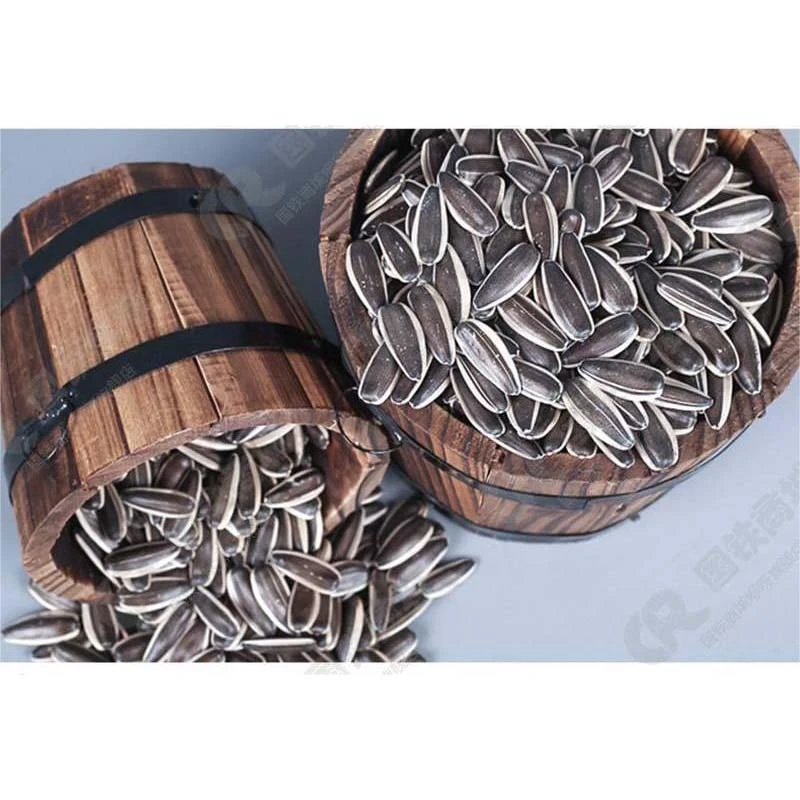
High quality chicken juice flavored sunflower seeds represent a significant segment within the broader snack food industry, specifically the savory seed market. This product category bridges the gap between traditional sunflower seed consumption and the demand for bold, convenient flavor profiles. Technically, these seeds are post-harvest processed kernels of the Helianthus annuus plant, treated with a multi-stage flavoring system centered around a concentrated chicken juice analogue, alongside complementary seasonings and coatings. The commercial success of this product hinges on achieving consistent flavor delivery, maintaining kernel integrity during processing, and ensuring adherence to stringent food safety regulations. This guide provides a comprehensive technical overview, covering material science, manufacturing processes, performance characteristics, potential failure modes, and relevant industry standards. Core industry pain points revolve around maintaining consistent flavor adhesion, preventing rancidity, and managing supply chain volatility regarding flavoring components.
Material Science & Manufacturing
The foundational material, the sunflower seed kernel, comprises approximately 45-55% oil (primarily linoleic acid), 20-25% protein, 15-20% carbohydrates (primarily cellulose), and 5-10% moisture. Kernel quality (size, density, oil content, and freedom from defects) directly impacts processing efficiency and final product characteristics. The “chicken juice flavor” is not derived directly from chicken; it’s a complex blend of hydrolyzed vegetable protein (HVP), yeast extract, disodium inosinate/guanylate (flavor enhancers), salt, maltodextrin, and artificial flavoring compounds mimicking the umami and savory notes of chicken broth.
Manufacturing involves several critical stages: seed selection and cleaning, de-hulling, kernel grading (based on size and density), roasting (typically 120-150°C for 20-30 minutes to reduce moisture and develop flavor precursors), flavor application (using a tumbling or fluidized bed coating process), and packaging. Roasting is a crucial parameter; insufficient roasting leads to a bland product and increased susceptibility to rancidity. Over-roasting results in a bitter taste and reduced kernel integrity. Flavor application requires precise control of coating solution viscosity, spray rate, and tumble speed to ensure uniform coverage without causing kernel breakage or clumping. Coating adhesion is enhanced by the residual heat of the roasted kernels and the presence of a tackifier (typically a vegetable oil-based emulsion) within the flavoring solution. Drying after coating is essential to remove excess moisture and stabilize the flavor compounds. Key parameter controls include moisture content monitoring throughout the process (Karl Fischer titration), oil content analysis (Soxhlet extraction), and regular sensory evaluation for flavor intensity and adherence.
Performance & Engineering
Performance evaluation centers around sensory attributes (flavor intensity, saltiness, umami perception), textural characteristics (crispness, shell integrity), and shelf life stability. Flavor release is a key engineering consideration. The coating must provide an initial burst of flavor followed by sustained release during mastication. This is achieved through encapsulation of flavor compounds within the coating matrix and the use of slow-release carriers. Environmental resistance is critical. High humidity can cause coating tackiness and clumping. Exposure to oxygen leads to lipid oxidation (rancidity) and flavor degradation. Packaging materials with low oxygen transmission rates (OTR) and moisture vapor transmission rates (WVTR) are essential for maintaining product quality. Mechanical strength of the kernel is assessed via compression testing, measuring the force required to fracture the shell. Compliant with food safety standards such as HACCP, the product must demonstrate control of potential hazards like Salmonella and Aflatoxin. A key engineering challenge is minimizing fines (broken kernels and coating particles) during processing and transportation, as these contribute to dust and potential quality issues.
Technical Specifications
| Parameter | Specification | Test Method | Tolerance |
|---|---|---|---|
| Moisture Content | ≤ 6.0% | Karl Fischer Titration (AOAC 925.10) | ± 0.5% |
| Oil Content | 48-52% | Soxhlet Extraction (AOAC 920.39) | ± 2.0% |
| Salt Content (NaCl) | 1.5-2.0% | Argentometric Titration (AOAC 937.09) | ± 0.1% |
| Flavor Intensity (Chicken) | ≥ 7 (on a 9-point hedonic scale) | Sensory Evaluation (Panel Test) | ± 0.5 |
| Kernel Integrity (Fines) | ≤ 5% | Sieve Analysis | ± 1.0% |
| Water Activity (Aw) | ≤ 0.65 | Water Activity Meter (ASTM E337) | ± 0.02 |
Failure Mode & Maintenance
Common failure modes include: Rancidity: caused by lipid oxidation, leading to off-flavors and odors. Mitigation involves using antioxidants (e.g., BHA, BHT), nitrogen flushing during packaging, and maintaining low storage temperatures. Coating Delamination: occurs when the flavor coating separates from the kernel, often due to insufficient adhesion or high humidity. Prevention relies on precise coating process control and appropriate packaging. Kernel Fracturing: results in fines and reduced product appeal. Minimizing mechanical stress during processing (roasting, coating, packaging) is crucial. Flavor Degradation: loss of flavor intensity over time, attributable to volatile compound evaporation or chemical reactions. Proper packaging and storage conditions are vital. Microbial Contamination: while rare with proper processing, Salmonella or mold growth can occur. Strict adherence to HACCP principles and sanitation protocols is essential. Maintenance of processing equipment (roasters, coating drums, packaging machines) is paramount. Regular cleaning, lubrication, and inspection are necessary to prevent mechanical failures and ensure consistent product quality. Routine monitoring of process parameters (temperature, humidity, coating viscosity) and product characteristics (moisture content, oil content, flavor intensity) are also critical maintenance steps.
Industry FAQ
Q: What is the primary factor influencing the shelf life of chicken juice flavored sunflower seeds?
A: The primary factor is the rate of lipid oxidation, leading to rancidity. This is influenced by oxygen exposure, temperature, and the presence of antioxidants. Packaging with a low OTR and storage at cool temperatures are critical for maximizing shelf life.
Q: How do you ensure consistent flavor application across all kernels?
A: We employ a precisely controlled fluidized bed coating process, monitoring coating solution viscosity, spray rate, and tumble speed. Regular sensory evaluations are conducted to verify flavor intensity and uniformity. A tackifier is added to the coating to enhance adhesion.
Q: What are the critical quality control parameters for incoming sunflower seeds?
A: Key parameters include moisture content, oil content, kernel size and density, and the absence of defects (damaged kernels, foreign material). We conduct thorough sampling and testing based on AOCS standards.
Q: What role does roasting play in the final product quality?
A: Roasting reduces moisture content, develops flavor precursors, and enhances the adhesion of the coating. Precise temperature and time control are essential to achieve the desired flavor profile and texture without causing burning or bitterness.
Q: How do you address concerns about the "chicken juice flavor" not containing actual chicken?
A: We clearly label the flavoring as a “chicken juice flavor analogue” and provide a full ingredient list that details the composition of the flavoring system, including hydrolyzed vegetable protein and yeast extract. We comply with all relevant labeling regulations regarding artificial flavors and ingredients.
Conclusion
The production of high quality chicken juice flavored sunflower seeds is a complex process demanding meticulous control over material science, manufacturing parameters, and quality assurance protocols. Maintaining consistent flavor adhesion, preventing rancidity, and ensuring food safety are paramount challenges. Successful manufacturers prioritize robust process monitoring, stringent quality control, and continuous improvement efforts to deliver a consistently appealing and safe product.
Future trends within this sector are likely to focus on novel flavor encapsulation technologies for sustained flavor release, the utilization of more natural flavoring compounds, and the development of more sustainable packaging materials. Furthermore, ongoing research into optimizing roasting parameters and coating formulations will be crucial for enhancing product quality and shelf life. A proactive approach to regulatory compliance and consumer preferences will be essential for long-term success in this competitive market.
