Introduction
Sunflower seeds ( Helianthus annuus ) represent a significant commodity within the agricultural sector, positioned critically in the edible oil, snack food, and feed industries. Selection of high-quality seeds is paramount for maximizing yield, oil content, and overall economic return. This technical guide details the critical factors governing sunflower seed quality, encompassing botanical characteristics, agronomic considerations, chemical composition, and prevailing industry standards. The core performance metrics revolve around oil yield (typically 40-50% by weight), protein content (20-25%), hull content (25-35%), and levels of undesirable compounds like free fatty acids. The industry currently faces challenges related to consistent seed quality due to variability in growing conditions, genetic purity concerns, and the prevalence of seed-borne diseases. This guide serves as a resource for procurement managers, agricultural engineers, and quality control personnel seeking to optimize seed sourcing and ensure operational efficiency.
Material Science & Manufacturing
Sunflower seed quality begins with the genetic lineage and subsequent processing. The seed itself is a complex biological structure comprised of the embryo, endosperm (containing oil and protein reserves), and the seed coat (hull). Seed composition varies significantly depending on the sunflower cultivar – high oleic, mid-oleic, and linoleic varieties dictate the fatty acid profile of the resulting oil. Raw material sourcing focuses on certified seed producers implementing stringent quality control measures. Manufacturing, in this context, refers to the post-harvest processing which involves drying to a moisture content of approximately 9-10% to prevent fungal growth and maintain germination rates. Drying is typically conducted using forced-air systems, with temperature control being crucial to avoid denaturing proteins and degrading oil quality. Dehulling, a subsequent process, involves mechanical removal of the seed coat, impacting oil yield and seed appearance. Key parameter control during drying includes air temperature (40-50°C), airflow rate, and seed bed depth. Dehulling efficiency is monitored by analyzing the percentage of hull remaining in the seed sample. Chemical compatibility considerations revolve around storage conditions; sunflower seeds are susceptible to oxidative rancidity when exposed to oxygen, light, and elevated temperatures. Therefore, storage in cool, dark, and well-ventilated facilities is essential. The hull composition, largely cellulose and lignin, influences dehulling characteristics and fiber content in by-products.
Performance & Engineering
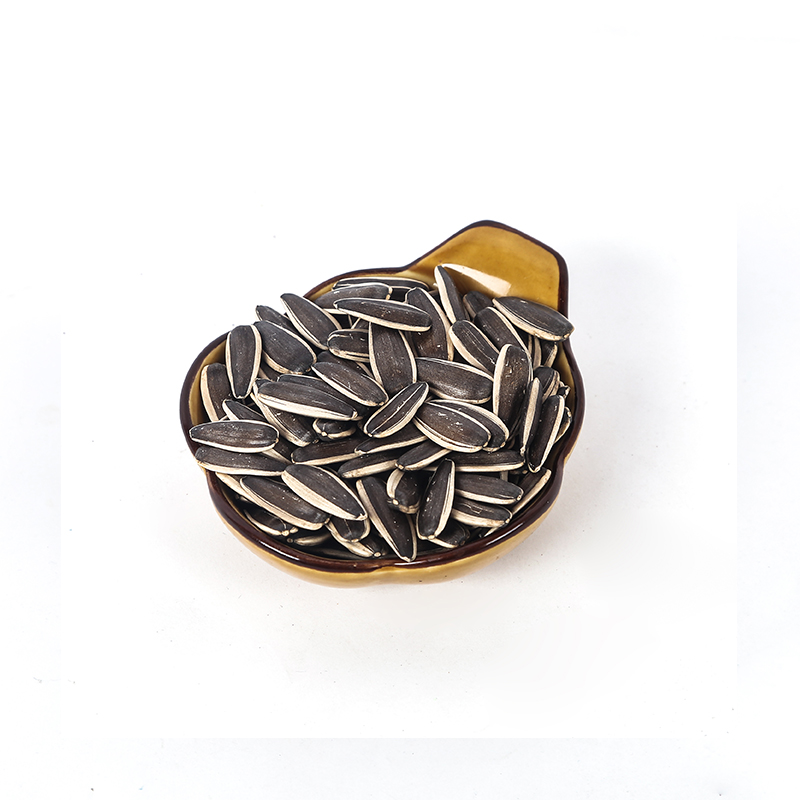
Performance evaluation of sunflower seeds extends beyond compositional analysis. Germination rate and vigor are critical indicators of seed viability, determined through standardized germination tests (typically conducted at 25°C in a controlled environment). Seed density, a measure of seed mass per unit volume, correlates with oil content and seedling vigor. Force analysis, while not directly applied to the seeds themselves, becomes relevant during dehulling operations; the force required to fracture the hull is a function of its moisture content and structural integrity. Environmental resistance considerations focus on the seed's tolerance to storage conditions and potential exposure to pests and pathogens. Compliance requirements are governed by national and international regulations pertaining to seed quality, food safety, and labeling. Functional implementation – specifically in oil extraction – is heavily influenced by seed size, shape, and oil content. Larger seeds generally yield higher oil volumes, but also require more energy for processing. The presence of phenolic compounds in the seed hull can inhibit enzyme activity during oil extraction, necessitating pre-treatment steps such as dehulling or enzymatic hydrolysis. Stress testing includes accelerated aging studies to predict seed longevity under adverse storage conditions.
Technical Specifications
| Parameter | Unit | High Quality Grade | Acceptable Grade |
|---|---|---|---|
| Oil Content (Dry Basis) | % | ≥ 48 | 44-47 |
| Protein Content (Dry Basis) | % | ≥ 22 | 18-21 |
| Hull Content (Dry Basis) | % | ≤ 28 | 29-32 |
| Moisture Content | % | ≤ 9 | 9.1-10 |
| Germination Rate | % | ≥ 90 | 80-89 |
| Free Fatty Acid (as Oleic Acid) | % | ≤ 1.0 | 1.1-1.5 |
Failure Mode & Maintenance
Sunflower seed failure modes can be categorized into pre-harvest and post-harvest issues. Pre-harvest failures stem from genetic defects leading to reduced seed set, disease infestations (e.g., rust, downy mildew) causing seed sterility, and environmental stressors like drought or excessive rainfall impacting seed development. Post-harvest failures are primarily related to improper storage and handling. Lipid oxidation, leading to rancidity, is a major concern, exacerbated by exposure to oxygen, light, and high temperatures. This manifests as a decrease in oil quality and the formation of undesirable off-flavors. Physical damage during handling (cracking, chipping) reduces seed quality and increases susceptibility to pest infestation. Seed-borne pathogens, if not effectively controlled during drying and storage, can lead to reduced germination rates and seedling diseases. Maintenance solutions involve implementing robust quality control procedures throughout the supply chain, including seed certification programs, proper drying and storage protocols (temperature and humidity control), and regular monitoring for pest and pathogen activity. Preventive measures, such as the application of seed protectants, can mitigate the risk of seed-borne diseases. Long-term storage requires periodic assessment of germination rates and oil quality to ensure seed viability and suitability for intended applications. Fatigue cracking is less common in seeds but can occur if mechanical handling is overly aggressive.
Industry FAQ
Q: What is the significance of the oleic acid content in sunflower seeds, and how does it affect oil stability?
A: High oleic sunflower seeds contain a significantly higher proportion of oleic acid (a monounsaturated fatty acid) compared to linoleic acid (a polyunsaturated fatty acid). Oleic acid imparts greater oxidative stability to the oil, extending its shelf life and reducing the need for hydrogenation. This results in a healthier oil with lower levels of trans fats. Higher oleic acid content is directly correlated with increased resistance to rancidity during storage and frying.
Q: How does hull content impact the overall value of sunflower seeds?
A: Hull content is inversely correlated with oil yield. A lower hull percentage translates to a higher percentage of kernel, and therefore, a greater amount of oil extractable from a given quantity of seeds. Dehulling also improves the oil’s quality by reducing the presence of waxes and other compounds found in the hull. Consequently, seeds with lower hull content command a premium price.
Q: What are the critical storage conditions for maintaining sunflower seed quality over extended periods?
A: Maintaining a cool, dry, and dark storage environment is crucial. Optimal storage temperatures are below 15°C (59°F) and moisture content should be maintained at or below 9%. Exposure to oxygen and light promotes oxidative degradation. Storage facilities should be well-ventilated to prevent moisture buildup and pest infestations. Regular monitoring of temperature, humidity, and seed quality is recommended.
Q: What seed certification programs are considered reliable indicators of quality?
A: Several seed certification programs exist, including those administered by the Association of Official Seed Certifying Agencies (AOSCA) and national seed regulatory bodies. These programs ensure genetic purity, adherence to specified quality standards, and accurate labeling. Certification provides assurance that the seeds have been tested for germination rate, purity, and the absence of prohibited weed seeds.
Q: What analytical methods are used to determine the fatty acid profile of sunflower seed oil?
A: Gas Chromatography-Mass Spectrometry (GC-MS) is the primary analytical method used to determine the fatty acid composition of sunflower seed oil. This technique separates and quantifies the various fatty acids present in the oil, providing a detailed profile of its composition. Other methods, such as Fourier-Transform Infrared Spectroscopy (FTIR), can be used for rapid assessment of oil quality, but GC-MS provides the most accurate and comprehensive data.
Conclusion
The selection of high-quality sunflower seeds is a multifaceted process requiring careful consideration of botanical characteristics, manufacturing protocols, and performance metrics. Maintaining seed integrity throughout the supply chain, from genetic sourcing to storage and handling, is essential for maximizing oil yield, ensuring product quality, and minimizing economic losses. Understanding the potential failure modes and implementing preventative maintenance strategies are crucial for preserving seed viability and optimizing long-term storage.
Future developments in sunflower seed technology will likely focus on breeding for improved oil content, enhanced disease resistance, and optimized fatty acid profiles. Advanced analytical techniques, coupled with precision agriculture practices, will enable more accurate quality assessment and improved seed management. A continued emphasis on sustainable sourcing and adherence to stringent industry standards will be vital for ensuring the long-term viability and economic competitiveness of the sunflower seed industry.
