Introduction
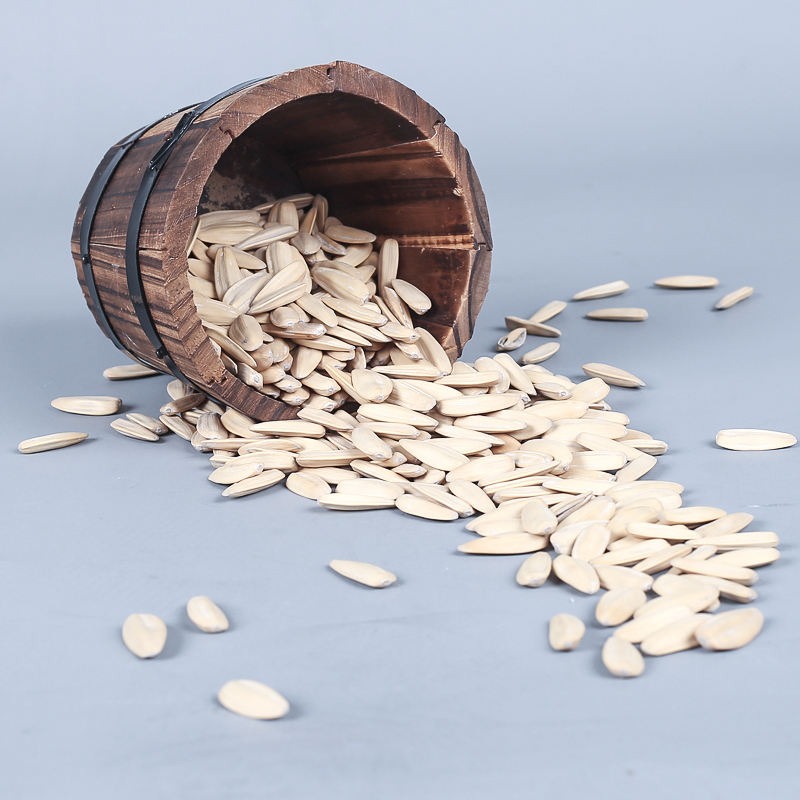
Sunflower seeds ( Helianthus annuus), purchased in bulk, represent a critical agricultural commodity used extensively in human food, animal feed, and industrial oil production. This guide provides a comprehensive technical overview of high-quality sunflower seed procurement, encompassing agronomic factors influencing seed quality, processing considerations, quality control metrics, storage stability, and potential failure modes. The industrial chain positions bulk sunflower seeds as a primary input for oilseed crushing plants, confectionary manufacturers, and feed mills. Core performance characteristics revolve around oil content, protein levels, fatty acid profiles, moisture content, and the presence of viable embryos for germination when sourcing for seed production. Maintaining seed integrity throughout the supply chain is paramount for maximizing yield and ensuring product consistency.
Material Science & Manufacturing
Sunflower seed composition is dictated by genetic factors, environmental conditions during growth, and harvesting techniques. The primary components are the kernel (approximately 50-60% by weight), hull (20-30%), and embryo (5-10%). The kernel’s oil content, ranging from 40-60%, is the defining characteristic for industrial applications. Linoleic acid (C18:2) and oleic acid (C18:1) are the predominant fatty acids, with the ratio influencing oil stability and nutritional value. Hull composition consists primarily of cellulose, hemicellulose, and lignin, providing structural integrity but offering limited nutritional value. Manufacturing begins with field cultivation, followed by harvesting, drying, dehulling (for kernel extraction), and grading. Drying is crucial, aiming for 8-10% moisture content to inhibit mold growth and enzymatic activity. Dehulling processes, utilizing mechanical abrasion or impact, require precise control to minimize kernel damage. Grading involves size separation, density sorting, and visual inspection for defects. Quality control parameters during manufacturing include hull percentage, kernel damage (splits, chips), foreign material content, and aflatoxin levels. Thermal processing (roasting, extrusion) alters protein denaturation and oil viscosity, and is critically dependent on temperature and time control.
Performance & Engineering
The performance of bulk sunflower seeds is inherently linked to their mechanical properties and resistance to degradation. Kernel hardness, measured using impact testing, correlates with processing efficiency and oil extraction yield. Hull strength influences dehulling efficiency and breakage rates. Bulk density (typically 600-700 kg/m³) impacts storage capacity and transportation logistics. Environmental resistance considerations include susceptibility to insect infestation (primarily Heligonesundus vespertinus and Smicronyx fulvus) and fungal contamination (especially Aspergillus flavus leading to aflatoxin production). Compliance requirements are dictated by national and international food safety standards (e.g., FDA, EFSA). Functional implementation necessitates careful consideration of seed size uniformity for optimal processing within crushing and extrusion equipment. Force analysis related to seed impact during handling and processing is essential to mitigate kernel damage. Seed moisture content directly influences storage stability, with higher moisture levels accelerating lipid oxidation and microbial growth. Effective aeration and temperature control are vital for maintaining seed quality during prolonged storage periods.
Technical Specifications
| Parameter | Unit | Standard Specification (High Quality) | Testing Method |
|---|---|---|---|
| Oil Content (Dry Basis) | % | ≥ 48% | Soxhlet Extraction (AOCS Official Method) |
| Moisture Content | % | ≤ 9% | Oven Drying (AACC Method 915.1) |
| Foreign Material | % | ≤ 1% | Visual Inspection/Screening |
| Kernel Damage (Splits/Chips) | % | ≤ 5% | Visual Inspection |
| Aflatoxin B1 | ppb | ≤ 20 ppb | ELISA or HPLC |
| Hull Content | % | ≤ 8% (Kernel Basis) | Mechanical Separation and Weighing |
Failure Mode & Maintenance
Sunflower seed degradation exhibits several distinct failure modes. Lipid oxidation, driven by exposure to oxygen, light, and elevated temperatures, results in rancidity and decreased oil quality. Aflatoxin contamination, caused by Aspergillus flavus, poses a severe health risk and mandates strict quality control. Insect infestation leads to weight loss, seed damage, and the introduction of allergenic compounds. Physical damage during handling (cracking, chipping) reduces processing efficiency and increases dust generation. Moisture absorption promotes microbial growth and accelerates enzymatic activity. Maintenance strategies include proper storage in cool, dry, well-ventilated environments. Insecticide treatments (approved for food-grade applications) can prevent infestation. Regular monitoring of moisture content and aflatoxin levels is crucial. First-in, first-out (FIFO) inventory management minimizes storage duration. Proper cleaning and sanitation of storage facilities prevent cross-contamination. Seed treatments with antifungal agents can mitigate fungal growth during storage, but adherence to regulatory limits is essential. Implementing a robust quality control program with frequent sampling and analysis is fundamental to ensuring seed integrity.
Industry FAQ
Q: What is the acceptable level of free fatty acids (FFA) in high-quality sunflower seeds, and how does it impact oil processing?
A: The acceptable FFA level is typically ≤ 1.0%. Higher FFA levels indicate lipid hydrolysis, potentially caused by improper storage or seed damage. Elevated FFA increases refining costs during oil extraction due to increased saponification and neutralization requirements. It also lowers oil quality and reduces shelf life.
Q: What measures can be taken to prevent aflatoxin contamination during pre-harvest and post-harvest stages?
A: Preventing aflatoxin contamination requires a multi-faceted approach. During pre-harvest, selecting drought-tolerant varieties, implementing insect control measures, and optimizing plant density reduce stress and susceptibility to fungal infection. Post-harvest strategies include prompt and thorough drying to ≤ 9% moisture, proper storage in sealed containers, and regular monitoring for aflatoxin levels.
Q: How does the linoleic/oleic acid ratio affect the oil’s stability and applications?
A: High linoleic acid oils are prone to oxidation and have shorter shelf lives, typically used in salad oils. High oleic acid oils exhibit superior stability, making them suitable for frying and high-temperature applications. The ratio is critical for determining the oil’s end-use application and storage requirements.
Q: What are the key indicators of seed viability, and how are they assessed for seed production purposes?
A: Key indicators include germination rate, seedling vigor, and embryo completeness. Assessment involves laboratory germination tests under controlled conditions (temperature, moisture, light). Tetrazolium testing can evaluate embryo viability based on enzymatic activity. Seedling vigor is assessed by measuring root and shoot length after germination.
Q: What is the significance of hull percentage in bulk sunflower seeds, and how does it affect the overall value?
A: High hull percentage reduces the kernel content, lowering the overall value of the seed lot. Dehulling efficiency is also reduced, increasing processing costs. While hulls can be used as animal feed or biofuel feedstock, their value is significantly lower than the kernel. Lower hull content is generally preferred, especially for oil extraction.
Conclusion
The procurement of high-quality bulk sunflower seeds demands a thorough understanding of the underlying material science, manufacturing processes, and performance characteristics. Maintaining strict control over moisture content, minimizing kernel damage, and preventing aflatoxin contamination are paramount for ensuring seed integrity and maximizing oil yield. A comprehensive quality control program, encompassing regular sampling and analysis, is essential for mitigating risks and adhering to stringent food safety standards.
Future advancements in sunflower breeding will focus on enhancing oil content, improving fatty acid profiles, and increasing resistance to pests and diseases. Optimizing storage technologies, such as modified atmosphere packaging and controlled humidity environments, will further extend seed shelf life and preserve quality. The increasing demand for sustainable agricultural practices will drive the adoption of eco-friendly pest control methods and reduced-input farming techniques.
