Introduction
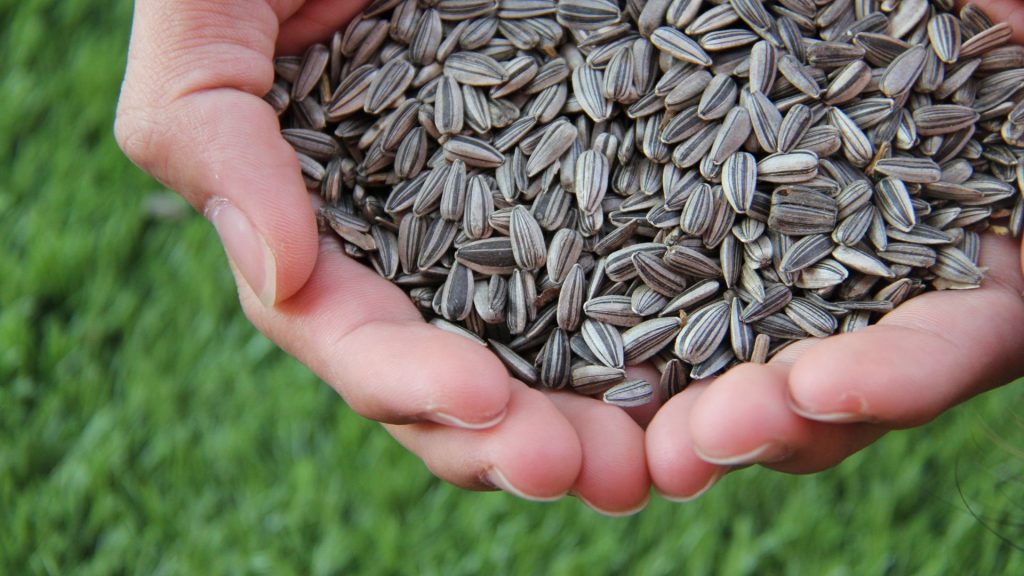
Sunflower seeds for planting ( Helianthus annuus) represent a critical input for the edible oil, confectionary, and increasingly, biofuel industries. Their technical position in the agricultural supply chain necessitates stringent quality control, encompassing genetic purity, germination rates, oil content, and susceptibility to disease. This guide provides an in-depth analysis of high-quality sunflower seeds, detailing the material science, manufacturing processes, performance characteristics, potential failure modes, and relevant industry standards. The core performance benchmarks center around oil yield (%), protein content (%), and the presence of undesirable compounds like erucic acid. A key industry pain point revolves around inconsistent seed quality leading to reduced yields, increased pesticide use, and ultimately, diminished profitability for agricultural operations. Addressing these concerns requires a granular understanding of the seed’s biological and physical attributes.
Material Science & Manufacturing
Sunflower seed composition is fundamentally dictated by genetics, but significantly influenced by environmental factors during growth. The seed itself is composed of three primary components: the hull (pericarp – ~28-35%), the germ (~20-25%), and the kernel (cotyledons – ~40-50%). The hull provides physical protection and contains cellulose, hemicellulose, and lignin, contributing to its fibrous texture. The germ is rich in proteins, fats, and vitamins, acting as the embryonic plant. The kernel is the primary source of oil and protein. Seed oil is predominantly comprised of triglycerides, with linoleic acid (typically 60-70%) and oleic acid (typically 20-40%) being the dominant fatty acids. Manufacturing begins with careful cultivar selection based on desired oil profile and agronomic traits. Seed production involves controlled pollination (often using cytoplasmic male sterility), followed by harvesting at physiological maturity. Post-harvest processing includes cleaning, drying (to approximately 8-10% moisture content), dehulling (optional, depending on end-use), and grading. Critical parameters during drying include temperature control (to prevent protein denaturation and oil oxidation) and airflow rate (to ensure uniform drying). Dehulling parameters – roller pressure and gap width – dictate hull removal efficiency without damaging the kernel. Seed coating with fungicides or insecticides is also common, requiring precise application rates to maintain efficacy and avoid residue concerns.

Performance & Engineering
The engineering performance of sunflower seeds is crucial for efficient planting and subsequent crop establishment. Key parameters include seed size (1000-seed weight), shape (influencing singulation during planting), surface texture (affecting flowability), and bulk density (determining planter hopper capacity). Force analysis during planting reveals that seeds experience compressive stress during metering and impact stress during seed tube delivery. Seed coat strength, determined by tensile testing, directly influences resistance to cracking and damage. Environmental resistance is paramount; seeds must withstand temperature fluctuations, moisture variations, and soil pathogens. Germination rate, assessed under controlled laboratory conditions (typically 25°C and 80% relative humidity), is a primary indicator of viability. Compliance requirements dictate maximum levels of heavy metals (lead, cadmium), pesticide residues, and mycotoxins (aflatoxins). The oil content, measured using Soxhlet extraction or near-infrared spectroscopy, must meet minimum specifications for intended processing. Furthermore, the fatty acid profile, determined by gas chromatography, must conform to established standards for edible oil applications. Sunflower seeds bred for confectionary purposes require specifically low levels of phenolic compounds to ensure palatable kernel flavor.
Technical Specifications
| Parameter | Unit | High Quality Range | Industry Standard (Typical) |
|---|---|---|---|
| Germination Rate | % | ≥ 85 | ≥ 80 (OECD Seed Schemes) |
| Oil Content | % (dry weight basis) | 48 - 55 | 44 – 52 (depending on variety) |
| Protein Content | % (dry weight basis) | 18 - 25 | 16 – 22 |
| 1000-Seed Weight | g | 5 - 8 | 4 – 7 |
| Moisture Content | % | 8 - 10 | ≤ 9 (for storage) |
| Erucic Acid Content | % (of total fatty acids) | ≤ 2 | ≤ 2 (for edible oil) |
Failure Mode & Maintenance
Sunflower seeds are susceptible to several failure modes. Mechanical damage during harvesting, handling, and planting can lead to cracked seed coats, reducing germination rates. Insect infestation (e.g., storage weevils) can damage the kernel and render seeds unviable. Fungal contamination (e.g., Alternaria, Fusarium) can produce mycotoxins and reduce seed quality. Oxidative degradation of oil during storage can lead to rancidity and reduced nutritional value. Genetic deterioration over multiple generations of seed saving can result in reduced vigor and yield. Maintenance involves proper storage conditions: cool (≤ 15°C), dry (≤ 8% moisture content), and well-ventilated. Regular inspection for insect infestation and fungal growth is crucial. Seed treatment with fungicides and insecticides can provide protection during storage and early seedling development. Seed cleaning to remove debris and damaged seeds improves plantability. Rotation of seed sources and avoiding seed saving from low-performing plants mitigates genetic deterioration. Proper planter calibration and maintenance, including ensuring accurate seed metering and minimal seed damage during delivery, are also essential for maximizing germination and yield.
Industry FAQ
Q: What is the significance of oleic acid content in sunflower seeds?
A: High oleic sunflower oil exhibits superior oxidative stability compared to traditional linoleic sunflower oil, leading to a longer shelf life and suitability for high-temperature frying. It also reduces the need for hydrogenation, minimizing the formation of trans fats.
Q: How does seed size influence planter performance?
A: Seed size affects singulation accuracy in pneumatic planters. Smaller seeds may be more prone to bridging or clustering, while larger seeds may require adjustments to planting depth and downforce to ensure consistent seed placement.
Q: What are the key indicators of seed lot quality beyond germination rate?
A: Beyond germination, assess seed vigor (seedling growth rate and uniformity), oil content, protein content, and the presence of any visible damage or contamination. A seed analysis report provides a comprehensive assessment of these parameters.
Q: What are the best practices for long-term sunflower seed storage?
A: Maintain a cool, dry, and well-ventilated storage environment. Target a temperature below 15°C and a moisture content of 8-10%. Monitor for signs of insect infestation or fungal growth regularly. Consider using oxygen-absorbing packaging to minimize oxidative degradation.
Q: How do different seed treatments affect seedling establishment and yield?
A: Seed treatments can protect against seed-borne diseases and insect pests, leading to improved germination, seedling vigor, and ultimately, higher yields. However, the choice of treatment must be tailored to the specific pathogens and pests prevalent in the growing region.
Conclusion
High-quality sunflower seeds for planting are not merely a biological commodity; they represent a complex interplay of genetic potential, agronomic practices, and post-harvest handling. A thorough understanding of the material science governing seed composition, the manufacturing processes influencing seed quality, and the critical performance parameters dictating yield and oil content is paramount for agricultural success.
Looking forward, advancements in seed breeding, precision agriculture, and seed coating technologies will continue to enhance sunflower seed performance and resilience. Prioritizing seed quality through rigorous testing, proper storage, and informed seed selection will remain essential for maximizing profitability and ensuring sustainable sunflower production.
