Introduction
Sunflower plants ( Helianthus annuus) represent a significant horticultural commodity, extending beyond ornamental applications into the critical sectors of oilseed production and, increasingly, biofuel feedstock. This technical guide focuses on the industrial cultivation and sourcing of high-quality sunflower plants for commercial purposes, specifically examining the parameters crucial for maximizing yield, oil content, and overall plant health. The industry faces consistent challenges related to genetic consistency, disease resistance, optimal growing conditions, and efficient harvesting techniques. This guide details the key factors governing these elements, aligning with rigorous agricultural standards and catering to the demands of downstream processing industries. Sunflower plant quality directly impacts the efficiency of oil extraction, protein isolate production, and the viability of value-added products. We will dissect the biological and agronomic facets determining a ‘high-quality’ sunflower plant, moving beyond simply aesthetic characteristics to encompass compositional and functional attributes.
Material Science & Manufacturing
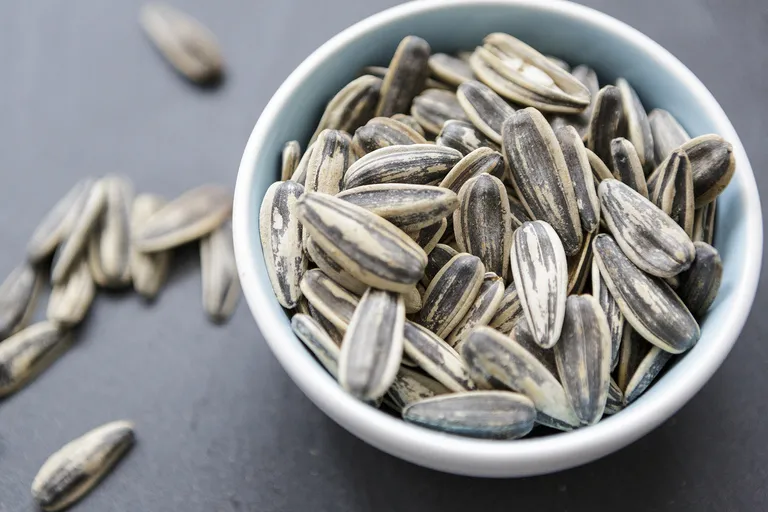
The foundational material science of sunflower plants revolves around the composition of its seed, stalk, and leaves. Seeds, the primary commercial product, are comprised of approximately 35-55% oil (triglycerides), 20-25% protein, and 10-15% carbohydrate. Oil composition varies based on cultivar, with linoleic acid typically dominating, followed by oleic acid. The seed hull (pericarp) provides structural integrity and influences oil extraction efficiency. Stalks, primarily cellulose and lignin, are composed of interconnected vascular bundles providing structural support, and increasingly, considered for biomass applications. Leaf structure is determined by photosynthetic efficiency, cuticle thickness (influencing transpiration rates), and resistance to pest infestation.
Manufacturing, in this context, refers to the agronomic practices employed during cultivation. Seed preparation involves stratification to break dormancy, followed by sowing. Parameter control is crucial: soil pH (optimally 6.0-7.5), moisture content (maintained through irrigation and drainage), nutrient availability (N-P-K ratios tailored to growth stage), and temperature (optimal germination between 15-30°C). Planting density is critical, impacting individual plant size and light interception. Hybrid seed production involves controlled pollination to ensure genetic uniformity. Pest and disease management utilizes integrated pest management (IPM) strategies, prioritizing biological control and minimizing chemical pesticide use. Harvesting utilizes combine harvesters, optimizing for seed moisture content (typically 9-12%) to prevent fungal growth and maximize storage life. Post-harvest processing includes seed cleaning, drying, and grading based on size and quality.
Performance & Engineering
Sunflower plant performance is dictated by several engineering considerations. Structural integrity of the stalk is paramount to prevent lodging (falling over), which reduces yield and complicates harvesting. Force analysis of the stalk under wind load and gravitational stress dictates optimal plant breeding for increased rigidity and root development. Environmental resistance is critical. Drought tolerance is engineered through selection for deep root systems and efficient water use. Resistance to fungal pathogens (e.g., Sclerotinia sclerotiorum) and insect pests (e.g., sunflower moth Homoeotricha leporina) minimizes crop loss. Compliance requirements encompass seed purity standards (regulated by governing bodies like the OECD Seed Schemes), pesticide residue limits (established by EPA and EU regulations), and genetically modified organism (GMO) labeling regulations. Functional implementation extends to optimizing the arrangement of flower heads for maximizing solar radiation capture and ensuring efficient pollen distribution via pollinators. The structural design of the seed itself impacts oil extraction efficiency; a thinner pericarp reduces processing energy requirements.
Technical Specifications
| Parameter | Unit | Specification (High Quality) | Testing Method |
|---|---|---|---|
| Oil Content | % (Dry Weight) | ≥ 48% | NMR Spectroscopy (AOCS Official Method) |
| Protein Content | % (Dry Weight) | ≥ 22% | Kjeldahl Method (AOCS Official Method) |
| Moisture Content (Seed) | % | ≤ 9% | Oven Drying Method (AACC Method 915.04) |
| Seed Purity | % | ≥ 99% | Visual Inspection & Seed Analysis |
| Germination Rate | % | ≥ 90% | Standard Germination Test (ISTA Procedure) |
| Erucic Acid Content | % (Fatty Acid Composition) | ≤ 2% | Gas Chromatography (AOCS Official Method) |
Failure Mode & Maintenance
Sunflower plants are susceptible to various failure modes. Stalk breakage, particularly during late-stage development or under high wind loads, leads to yield loss. This is often a result of insufficient lignin deposition or genetic predisposition. Disease-induced failure includes fungal infections like rust and downy mildew, resulting in reduced photosynthetic capacity and seed development. Insect infestations, such as sunflower moths, directly damage seeds. Premature seed shatter (seed loss before harvest) occurs with cultivars lacking strong receptacle attachment. Storage failures include fungal contamination (leading to aflatoxin production) due to high moisture content and improper storage conditions.
Preventative maintenance encompasses selecting disease-resistant cultivars, implementing crop rotation practices, optimizing planting density to promote stalk strength, employing integrated pest management strategies, and ensuring proper seed drying and storage. Corrective actions include fungicide application (when necessary, adhering to regulatory guidelines), insecticidal control (with IPM emphasis), and immediate harvesting in response to lodging or seed shatter risks. Regular field scouting is crucial for early detection of pests and diseases, allowing for timely intervention. Post-harvest storage requires maintaining low temperature and humidity to inhibit fungal growth and preserve seed viability.
Industry FAQ
Q: What is the significance of the oil-to-protein ratio in sunflower seeds, and how is it optimized for different end-use applications?
A: The oil-to-protein ratio is a crucial quality parameter. High-oil varieties are preferred for edible oil production, while high-protein varieties are sought after for animal feed and protein isolate manufacturing. Optimization involves breeding programs focused on specific traits. For example, selecting for increased oleic acid content, a more stable oil, often correlates with higher overall oil yield. Genetic markers are increasingly used to predict and enhance these traits.
Q: How does the seed pericarp thickness influence the efficiency of oil extraction, and what are the trade-offs?
A: A thinner pericarp generally facilitates more efficient oil extraction, reducing energy consumption and increasing oil yield. However, a thinner pericarp can also compromise seed integrity during handling and storage, increasing susceptibility to physical damage and insect infestation. Therefore, breeding efforts focus on finding a balance between optimal pericarp thickness for extraction and maintaining seed robustness.
Q: What are the key considerations regarding genetic modification (GM) in sunflower cultivation, and how are regulatory compliance issues addressed?
A: GM sunflowers, while less prevalent than GM crops like corn and soybeans, are being developed for traits like drought tolerance and insect resistance. Regulatory compliance involves stringent testing and approval processes by agencies like the EPA and FDA (in the US) and EFSA (in Europe). Traceability and labeling requirements are critical to ensure consumer choice and adherence to international trade regulations. Many markets maintain strict restrictions or prohibitions on GM crops.
Q: What are the environmental impacts associated with sunflower cultivation, and what sustainable practices are being implemented to mitigate these impacts?
A: Environmental impacts include water usage, fertilizer application, and pesticide use. Sustainable practices include water-efficient irrigation techniques (drip irrigation), precision fertilization based on soil testing, integrated pest management (IPM) reducing pesticide reliance, crop rotation to improve soil health, and conservation tillage to minimize soil erosion. Utilizing sunflower stalks for bioenergy production also presents an opportunity to reduce reliance on fossil fuels.
Q: How do different sunflower cultivars respond to varying climatic conditions, and what adaptation strategies are employed to ensure consistent yields in diverse environments?
A: Sunflower cultivars exhibit varying degrees of tolerance to heat, drought, and cold stress. Adaptation strategies involve selecting cultivars specifically bred for local climatic conditions. This includes utilizing germplasm with origins in regions with similar environmental challenges. Furthermore, adjusting planting dates to avoid peak heat or frost periods and implementing water conservation techniques are crucial for maximizing yields in diverse environments.
Conclusion
The production of high-quality sunflower plants is a complex interplay of material science, agronomic engineering, and stringent quality control. Optimizing parameters from seed selection and soil preparation to pest management and harvesting is critical for maximizing yield, oil content, and overall plant health. A thorough understanding of potential failure modes and the implementation of proactive maintenance strategies are essential for mitigating losses and ensuring consistent production.
Future trends in sunflower cultivation will likely focus on breeding for enhanced resilience to climate change, utilizing precision agriculture technologies for optimized resource allocation, and expanding the utilization of sunflower byproducts for sustainable bio-based materials. Continuous monitoring of evolving regulatory standards and consumer preferences will be crucial for maintaining market access and ensuring the long-term viability of the sunflower industry.
