Introduction
Melon seed quality, encompassing germination rate, genetic purity, and freedom from disease, is paramount in agricultural production and consumer satisfaction. The online procurement of melon seeds presents unique challenges, necessitating a thorough understanding of seed physiology, quality control methodologies, and supply chain integrity. This guide provides a comprehensive technical overview of high-quality melon seed selection, performance characteristics, potential failure modes, and industry best practices. The commercial viability of melon cultivation is directly linked to seed quality; factors like hybrid vigor, disease resistance, and adaptation to specific climatic conditions are critical determinants of yield and profitability. The industry faces increasing pressure to ensure seed traceability and sustainability, driving demand for detailed technical specifications and robust quality assurance protocols. This document serves as a technical resource for procurement managers, agricultural engineers, and quality control specialists involved in the sourcing of melon seeds.
Material Science & Manufacturing
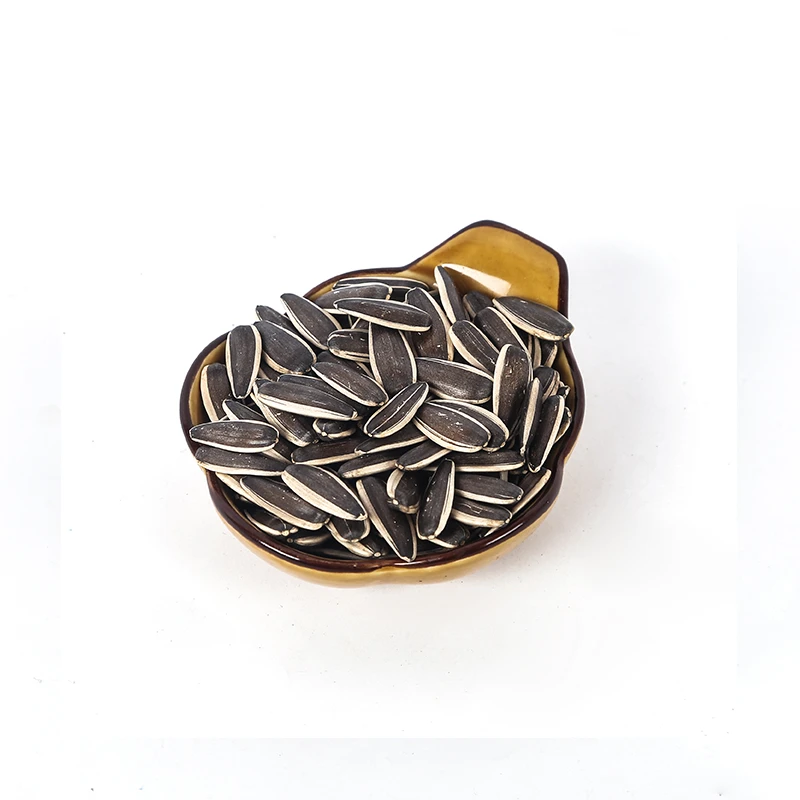
Melon seeds are primarily composed of endosperm (starch, proteins, and oils), embryo, and seed coat. The endosperm provides the energy reserve for germination and seedling establishment. Seed coat composition, consisting of cellulose, hemicellulose, and lignin, dictates permeability to water and oxygen, influencing germination speed and success. The oil content, typically ranging from 30-50% depending on the variety, contributes to seed viability and storage longevity. Manufacturing processes begin with controlled pollination to ensure genetic purity and hybrid vigor. Seed harvesting occurs at physiological maturity, indicated by rind color change and seed moisture content. Post-harvest processing involves cleaning, drying (to approximately 7-8% moisture content), grading (based on size and weight), and treatment with fungicides and insecticides (as required by regulatory standards). Drying is crucial, typically employing forced-air systems with controlled temperature and humidity to prevent thermal damage. Seed coating technologies, utilizing polymers and micronutrients, are increasingly employed to enhance germination rates, protect against soilborne pathogens, and improve handling characteristics. Parameter control during drying is critical; excessively high temperatures can denature proteins and reduce viability, while insufficient drying promotes fungal growth during storage. Storage conditions—low temperature (below 15°C) and low humidity (below 50%)—are essential for maintaining seed longevity.
Performance & Engineering
Germination rate is the primary performance indicator, typically exceeding 85% for high-quality seeds under optimal conditions (temperature, moisture, oxygen). Seed vigor, a measure of seedling growth potential, is assessed through accelerated aging tests and seedling growth measurements. Environmental resistance is crucial; seeds must tolerate fluctuations in temperature, moisture stress, and exposure to soilborne pathogens. Engineering considerations include seed size and shape, influencing planting precision and uniformity. Seed coat integrity is critical for protection against mechanical damage during handling and planting. The seed’s response to different soil types (sand, loam, clay) and salinity levels affects germination and seedling establishment. Hybrid vigor is a key performance attribute, resulting in increased yield, disease resistance, and adaptation to diverse environmental conditions. Seed dormancy, a physiological mechanism preventing premature germination, is influenced by hormonal balance and environmental cues. Breaking dormancy may require stratification (cold moist treatment) or scarification (physical abrasion of the seed coat). Compliance requirements include adherence to seed certification standards (e.g., ISTA) and regulations regarding genetically modified organisms (GMOs). Force analysis during planting assesses the force required to penetrate the soil, ensuring accurate seed placement and minimizing damage to the embryo.
Technical Specifications
| Germination Rate (%) | Moisture Content (%) | Purity (%) | Oil Content (%) |
|---|---|---|---|
| ≥ 90 | 7-8 | ≥ 98 | 35-45 |
| ≥ 85 | ≤ 9 | ≥ 96 | 40-50 |
| ≥ 80 | 8-10 | ≥ 95 | 30-40 |
| ≥ 88 | 7.5-8.5 | ≥ 97 | 38-48 |
| ≥ 92 | 6-7 | ≥ 99 | 42-52 |
| ≥ 82 | 9-11 | ≥ 94 | 32-42 |
Failure Mode & Maintenance
Common failure modes include low germination rates due to seed aging, mechanical damage during handling, fungal infection, and insect infestation. Seed dormancy issues can lead to delayed or uneven germination. Genetic abnormalities, resulting from inbreeding or contamination, can compromise vigor and yield. Physiological stress caused by improper storage conditions (high temperature, humidity) accelerates seed deterioration. Failure analysis involves assessing seed viability, identifying pathogens, and evaluating seed coat integrity. Preventative maintenance includes proper storage protocols (cool, dry conditions), regular seed testing, and implementation of integrated pest management strategies. Seed treatments with fungicides and insecticides can mitigate the risk of fungal and insect attack. Seed lot traceability is essential for identifying and isolating sources of low-quality seed. Maintaining a detailed record of seed sourcing, processing, and storage conditions is crucial for effective quality control. Regular monitoring of seed moisture content and germination rates during storage allows for early detection of deterioration and timely corrective action. Degradation of seed oils leads to rancidity and reduced seedling vigor, while oxidation of proteins diminishes their functionality.
Industry FAQ
Q: What is the significance of seed lot uniformity in terms of field performance?
A: Seed lot uniformity, regarding germination rate, vigor, and genetic consistency, is critical for achieving even stand establishment and minimizing yield variability. Non-uniform seed lots lead to uneven plant populations, necessitating adjustments to planting densities and potentially reducing overall yield potential. Variation in seed vigor can result in staggered emergence, making plants more susceptible to weed competition and pest infestations.
Q: How does seed coating technology impact seedling disease resistance?
A: Seed coating technology can significantly enhance seedling disease resistance by delivering systemic fungicides and biocontrol agents directly to the seed. This provides a localized protective barrier against soilborne pathogens, reducing the risk of damping-off and other seedling diseases. Coatings can also incorporate nutrients and growth promoters to enhance seedling vigor and resilience.
Q: What are the key considerations when evaluating the long-term storage potential of melon seeds?
A: Key considerations include initial seed moisture content, storage temperature, humidity control, and packaging material. Maintaining low moisture content (≤ 7%), low temperature (≤ 15°C), and low humidity (≤ 50%) are essential. Air-tight packaging minimizes moisture absorption and protects against insect infestation. Regular seed viability testing is recommended to monitor seed quality during storage.
Q: How do different melon varieties differ in their sensitivity to storage conditions?
A: Different melon varieties exhibit varying levels of sensitivity to storage conditions based on their genetic makeup and seed coat characteristics. Varieties with thicker seed coats tend to be more resilient to moisture fluctuations and mechanical damage. Hybrid varieties often exhibit improved storage longevity compared to open-pollinated varieties.
Q: What is the role of seed certification in ensuring quality control?
A: Seed certification, conducted by accredited agencies (e.g., ISTA), ensures that seeds meet established standards for germination rate, purity, and freedom from disease. Certification involves field inspections, seed sampling, and laboratory testing. Certified seeds provide assurance of genetic identity and quality, reducing the risk of crop failure and economic losses.
Conclusion
The procurement of high-quality melon seeds demands a comprehensive understanding of seed physiology, manufacturing processes, and performance characteristics. Maintaining strict quality control throughout the supply chain – from seed production to storage and handling – is essential for maximizing germination rates, seedling vigor, and ultimately, crop yields. Failure to address critical parameters such as moisture content, temperature control, and seed purity can result in significant economic losses.
Future trends in melon seed technology will likely focus on developing varieties with enhanced disease resistance, improved tolerance to abiotic stresses (drought, salinity), and increased nutritional value. Advancements in seed coating technology and precision planting techniques will further optimize seedling establishment and crop performance. Continued investment in seed research and development is crucial for ensuring a sustainable and productive melon industry.
