Introduction
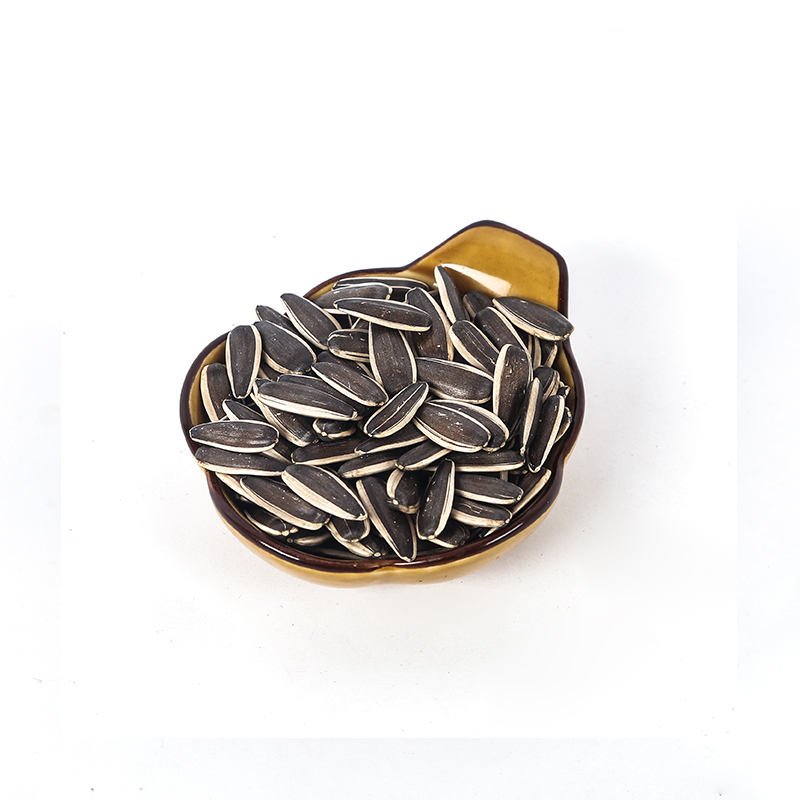
Sunflower seeds ( Helianthus annuus) represent a significant agricultural commodity, crucial for edible oil production, confectionary applications, and increasingly, as a protein-rich ingredient in animal feed and human nutrition. The bulk purchasing of sunflower seeds necessitates a thorough understanding of quality control parameters impacting oil yield, protein content, and overall suitability for intended processing. This guide details the critical aspects of high-quality sunflower seed sourcing, encompassing botanical characteristics, industrial processing considerations, and performance metrics relevant to large-scale procurement. The industry currently faces challenges related to consistent seed quality due to variations in growing conditions, genetic diversity, and the increasing demand for specific oil profiles (e.g., high oleic). This guide provides the technical framework to mitigate these risks.
Material Science & Manufacturing
Sunflower seeds are comprised of several key components: the hull (pericarp), the kernel (cotyledons), and the germ. The hull accounts for approximately 20-30% of the seed weight and is largely composed of cellulose and lignin. The kernel, constituting 60-70% of the seed, is rich in oil (40-55%) and protein (18-25%). The germ, approximately 5-10%, contains a high concentration of polyunsaturated fatty acids and vitamins. Raw material variability significantly impacts oil extraction efficiency. Manufacturing begins with harvesting, typically employing combine harvesters. Post-harvest processing includes cleaning (removal of debris, chaff, and foreign matter), drying (reducing moisture content to below 9% to prevent mold growth and aflatoxin contamination), dehulling (separation of the hull from the kernel – critical for oil quality), and grading based on kernel size and oil content. Dehulling methods include impact dehulling and abrasive dehulling. The former uses mechanical impact, while the latter employs abrasive surfaces. Parameter control during drying is paramount; temperatures exceeding 45°C can damage proteins and reduce oil quality. Seed moisture content, airflow rate, and drying time are key parameters monitored using near-infrared spectroscopy and automated control systems. The kernel’s chemical composition is strongly influenced by the sunflower variety (confectionary vs. oilseed) and growing region.

Performance & Engineering
The performance of sunflower seeds, particularly concerning oil extraction and kernel quality, is directly related to the applied force during dehulling and the subsequent processing conditions. Force analysis reveals that optimal dehulling requires a balance between impact energy and abrasive force to minimize kernel damage. Excessive force leads to kernel fractures and increased oil loss. Environmental resistance factors include susceptibility to fungal growth ( Aspergillus flavus and Penicillium spp.) under high humidity and temperature conditions, leading to aflatoxin contamination. Engineering controls, such as proper ventilation and storage temperature regulation (below 15°C), are essential. Compliance requirements for sunflower seeds vary internationally, centering on maximum permissible levels of aflatoxins, pesticide residues, and heavy metals. The European Union (EU) adheres to stringent regulations regarding mycotoxin levels, demanding regular testing and certification. Functional implementation – specifically oil extraction – relies on mechanical pressing or solvent extraction (typically hexane). The choice of method depends on desired oil yield and quality; solvent extraction generally yields higher oil recovery but requires subsequent refining to remove residual solvent.
Technical Specifications
| Parameter | Unit | Specification (High Quality) | Testing Method |
|---|---|---|---|
| Oil Content (Dry Basis) | % | ≥ 48% | Nuclear Magnetic Resonance (NMR) Spectroscopy |
| Protein Content (Dry Basis) | % | ≥ 20% | Kjeldahl Method |
| Moisture Content | % | ≤ 9% | Oven Drying Method (ASTM D955) |
| Kernel Damage (Broken Kernels) | % | ≤ 3% | Visual Inspection & Sieve Analysis |
| Foreign Matter | % | ≤ 1% | Visual Inspection |
| Aflatoxin B1 | ppb | ≤ 2 ppb | High-Performance Liquid Chromatography (HPLC) (EN 16215) |
Failure Mode & Maintenance
Sunflower seed degradation and failure modes typically manifest as reduced oil yield, decreased protein quality, and the development of mycotoxins. Fatigue cracking of the kernel can occur during handling and processing, particularly with excessive impact forces. Delamination, or separation of the kernel from the hull, indicates improper drying or dehulling procedures. Oxidation of unsaturated fatty acids leads to rancidity and a decline in oil quality; this is accelerated by exposure to oxygen, light, and high temperatures. Aflatoxin contamination represents a significant failure mode, rendering the seeds unsuitable for consumption. Preventative maintenance of processing equipment (dehullers, dryers, and cleaning systems) is crucial. Regular cleaning removes dust and debris, preventing equipment malfunction and cross-contamination. Calibration of moisture sensors and temperature controllers ensures accurate process control. Proper storage conditions – cool, dry, and well-ventilated – are essential to minimize degradation and maintain seed quality. Regular quality control testing (oil content, protein content, aflatoxin levels) provides early detection of potential issues.
Industry FAQ
Q: What is the acceptable level of free fatty acids (FFA) in sunflower seeds intended for oil extraction?
A: The acceptable level of FFA depends on the intended oil application. Generally, for high-quality edible oil production, FFA levels should be below 1.0%. Higher FFA levels indicate lipid degradation and reduce oil quality, increasing refining costs.
Q: How does the sunflower variety influence the oil profile and its suitability for specific applications?
A: Sunflower varieties are broadly classified as linoleic, high-oleic, and mid-oleic. High-oleic varieties (e.g., NuSun) contain >70% oleic acid, resulting in improved oxidative stability and suitability for frying. Linoleic varieties have higher levels of linoleic acid, preferred for certain nutritional applications. Mid-oleic varieties offer a balanced profile.
Q: What are the critical storage conditions to prevent aflatoxin contamination during bulk storage of sunflower seeds?
A: Maintaining moisture content below 9%, storage temperatures below 15°C, and adequate ventilation are crucial. Regularly inspecting the seeds for signs of mold growth and implementing a robust pest control program are also essential preventative measures.
Q: What methods are used to assess the degree of kernel damage in a bulk shipment of sunflower seeds?
A: Visual inspection, sieve analysis, and impact testing are commonly employed. Sieve analysis separates kernels based on size and shape, revealing broken or damaged kernels. Impact testing measures the kernel's resistance to breakage.
Q: How does the dehulling process affect the final oil yield and quality?
A: Proper dehulling, minimizing kernel damage, is critical. Excessive dehulling force results in increased free fatty acids and reduced oil quality. Incomplete dehulling leaves hull fragments, affecting oil color and filtration efficiency. Optimized dehulling parameters contribute to higher oil yield and improved quality.
Conclusion
The procurement of high-quality bulk sunflower seeds requires a multifaceted approach, encompassing rigorous quality control, understanding material science principles, and adherence to international standards. Critical parameters such as oil content, protein content, moisture level, and aflatoxin contamination must be meticulously monitored throughout the supply chain. Implementing effective storage and processing protocols are vital for preserving seed integrity and maximizing oil yield.
Future advancements in sunflower seed breeding will focus on enhancing oil profiles, improving disease resistance, and increasing yield potential. Investment in advanced drying and dehulling technologies will further optimize processing efficiency and minimize kernel damage. A commitment to sustainable agricultural practices and traceability systems will be paramount in ensuring a reliable and high-quality supply of sunflower seeds for the global market.
