
Introduction
High quality butterscotch melon seeds ( Cucumis melo var. saccharinus) represent a specialized segment within the larger melon seed industry, prized for their potential to yield melons with a unique, concentrated sweetness and distinct flavor profile. Unlike common cantaloupe or honeydew varieties, butterscotch melons possess a higher sugar content and a characteristic aroma reminiscent of butterscotch, lending itself to niche market applications, particularly in culinary settings and specialty food production. These seeds are not merely reproductive units; they are a crucial component in determining the final fruit characteristics, encompassing traits like sugar content (Brix levels), rind thickness, flesh color, and disease resistance. Their technical position in the agricultural supply chain involves seed breeding, quality control, storage, and distribution to commercial growers, home gardeners, and food processing facilities. Core performance metrics center on germination rates, seedling vigor, genetic purity, and freedom from seed-borne diseases. Maintaining these high standards is critical for ensuring consistent crop yields and preserving the distinctive qualities of the butterscotch melon.
Material Science & Manufacturing
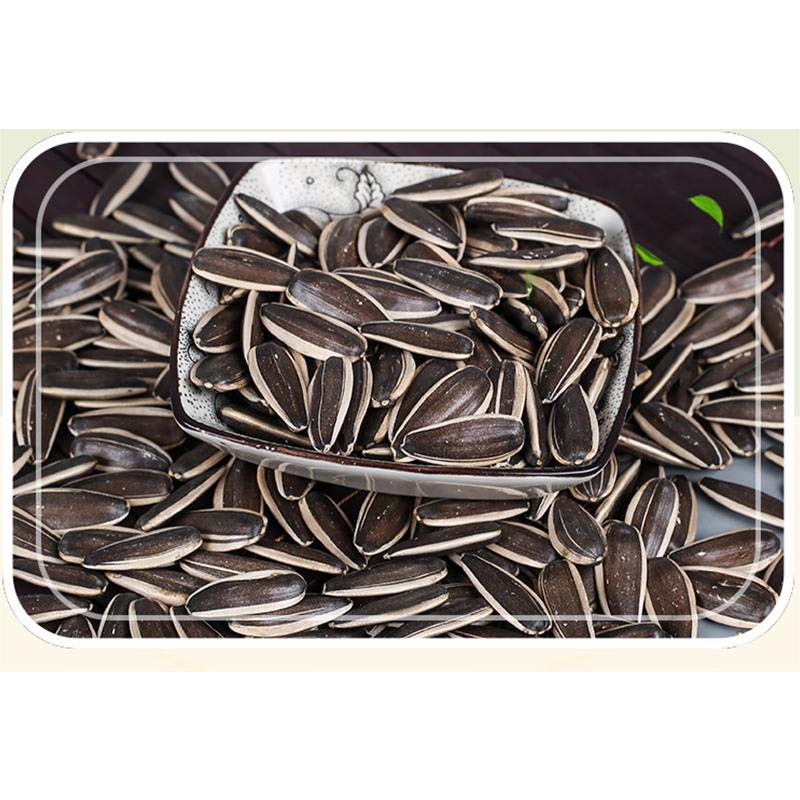
The physical and chemical properties of high quality butterscotch melon seeds are paramount to their viability and subsequent fruit quality. The seed coat, composed primarily of cellulose (approximately 40-50%), hemicellulose (20-30%), and lignin (10-20%), provides a protective barrier against physical damage, desiccation, and microbial attack. The endosperm, constituting roughly 70-80% of the seed mass, is rich in stored lipids (30-40% of dry weight), proteins (20-25%), and carbohydrates (20-30%). These reserves fuel germination and early seedling growth. Manufacturing, in this context, encompasses seed extraction, cleaning, drying, and coating processes. Extraction involves carefully separating mature seeds from the melon flesh, typically through mechanical pulp and wash systems. Cleaning removes residual pulp and debris, using a combination of screening, air separation, and gravity tables. Drying is critical; seeds must be reduced to a moisture content of 7-8% to ensure long-term viability during storage. This is achieved using controlled temperature air-drying systems. Seed coating, often involving polymer-based formulations containing fungicides and micronutrients, protects against pathogens and enhances germination rates. Key parameter control during drying involves maintaining temperatures below 45°C to prevent protein denaturation and lipid oxidation. Lipid profile analysis (using gas chromatography-mass spectrometry) and moisture content determination (using Karl Fischer titration) are crucial quality control measures. Storage conditions (temperature, humidity, oxygen levels) are meticulously monitored to prevent seed deterioration.
Performance & Engineering
The performance of butterscotch melon seeds is fundamentally linked to germination efficiency and subsequent plant vigor. Force analysis relates to seed coat strength, which impacts imbibition rates (water uptake) – a critical stage in germination. A seed coat that is too rigid hinders water uptake, while one that is too fragile is prone to mechanical damage. Environmental resistance concerns center on seed tolerance to temperature fluctuations, humidity extremes, and storage longevity. Seeds must withstand fluctuating temperatures during transport and storage without significant viability loss. Compliance requirements are governed by national and international seed certification standards, focusing on genetic purity, germination percentage (typically >80% for high quality seeds), and absence of seed-borne pathogens. Functional implementation involves optimizing planting depth, soil moisture, and temperature to maximize germination and seedling establishment. Seed priming techniques, involving controlled hydration, can enhance germination speed and uniformity. Furthermore, the breeding of disease-resistant varieties utilizing marker-assisted selection (MAS) is an ongoing engineering effort to reduce reliance on chemical fungicides. Understanding the allelopathic effects of butterscotch melon roots on surrounding plants is also crucial for optimizing crop spacing and rotation strategies. Analysis of seedling root architecture and nutrient uptake efficiency are key performance indicators during initial growth stages.
Technical Specifications
| Parameter | Unit | Specification (High Quality Grade) | Testing Method |
|---|---|---|---|
| Germination Rate | % | ≥ 85% | ISTA Method |
| Moisture Content | % | 7.0 – 8.5 | Karl Fischer Titration |
| Purity | % | ≥ 99% | Seed Morphology & Genetic Analysis |
| Seed Vigor Index | - | ≥ 70 | Seedling Growth Rate Assessment |
| Seed Size (Length) | mm | 8.0 – 10.0 | Digital Caliper Measurement |
| Seed Weight (1000 seeds) | g | 250 – 300 | Precision Weighing Scale |
Failure Mode & Maintenance
Failure modes in high quality butterscotch melon seeds can range from non-germination to reduced seedling vigor and susceptibility to disease. A primary failure mechanism is physiological deterioration due to lipid peroxidation and protein denaturation during storage, accelerated by high temperatures and humidity. This results in reduced germination rates and weak seedlings. Mechanical damage during handling and processing can compromise seed coat integrity, leading to fungal infection and embryo death. Seed-borne pathogens, such as Fusarium and Alternaria, can cause damping-off and seedling blight. Failure can also stem from genetic factors – low genetic purity can result in inconsistent fruit quality and reduced yields. Maintenance protocols involve strict adherence to optimal storage conditions (temperature <15°C, humidity <60%, oxygen levels minimized). Regular seed viability testing (germination tests) is crucial for monitoring seed quality over time. Implementation of seed treatment with broad-spectrum fungicides can protect against seed-borne diseases. Proper seed handling practices, minimizing mechanical damage, are essential. Furthermore, employing a robust seed breeding program focused on disease resistance and improved storage longevity is a preventative maintenance strategy. Detailed failure analysis (microscopic examination of seeds and seedlings) can help identify the root cause of germination failures and inform corrective actions.
Industry FAQ
Q: What is the optimal storage temperature for maintaining the viability of butterscotch melon seeds for extended periods?
A: The optimal storage temperature is below 15°C (59°F), ideally between 5°C and 10°C (41°F and 50°F). Lower temperatures significantly slow down metabolic processes and prevent deterioration of seed quality. Maintaining low humidity (below 60%) is equally crucial. Consider using desiccant packs within storage containers.
Q: How does seed coating impact the germination rate and seedling health of butterscotch melon seeds?
A: Seed coating, typically with polymeric materials containing fungicides and micronutrients, provides a protective barrier against pathogens and enhances moisture uptake during germination. This leads to faster and more uniform germination, increased seedling vigor, and reduced incidence of damping-off. The specific coating formulation should be tailored to the anticipated soil conditions and prevalent disease pressures.
Q: What are the key indicators of seed quality beyond the standard germination percentage?
A: Beyond germination percentage, important indicators include seed vigor index (assessed through seedling growth rate), purity (percentage of true seeds), moisture content (must be within the specified range of 7-8%), and the absence of seed-borne pathogens. Conducting a tetrazolium test can assess seed viability at the embryo level.
Q: What are the common seed-borne diseases that affect butterscotch melon seeds, and how can they be prevented?
A: Common seed-borne diseases include Fusarium oxysporum f. sp. melonis (causing Fusarium wilt) and Alternaria cucumerina (causing early blight). Prevention involves using certified disease-free seeds, applying appropriate seed treatments with fungicides, implementing crop rotation practices, and maintaining good sanitation in seed storage facilities.
Q: What role does genetic purity play in ensuring consistent fruit quality in butterscotch melons?
A: Genetic purity is paramount. Low genetic purity can lead to variations in fruit characteristics such as sugar content, rind color, and size, resulting in inconsistent quality and reduced market value. Seed producers should employ stringent quality control measures, including genetic marker analysis, to ensure high levels of genetic purity.
Conclusion
High quality butterscotch melon seeds are a complex agricultural product where performance is dictated by a confluence of material science, manufacturing precision, and adherence to stringent quality control standards. Understanding the interplay between seed coat properties, endosperm composition, and environmental factors is crucial for maximizing germination rates and ensuring the production of consistently high-quality melons.
The continued optimization of seed breeding programs, coupled with advancements in seed coating technologies and storage protocols, will be essential for meeting the growing demand for this specialty melon variety. Maintaining strict compliance with international seed certification standards and employing robust failure analysis techniques will further enhance the reliability and sustainability of butterscotch melon production.
