Introduction
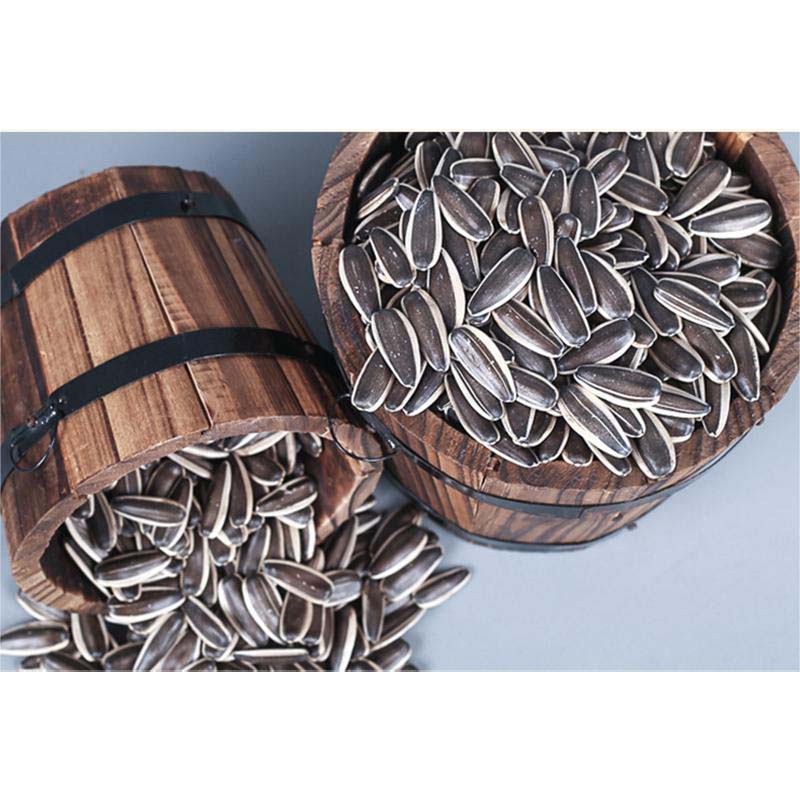
High quality bulk sunflower seeds represent a critical commodity within the agricultural and food processing industries. This technical guide provides an in-depth examination of sunflower seed quality, encompassing botanical characteristics, optimal growth conditions influencing seed composition, and key performance indicators relevant to downstream applications. Sunflower seeds ( Helianthus annuus) are valued for their oil content, protein profile, and versatility as a direct food source, livestock feed, and a substrate for various industrial processes. The commercial viability of sunflower seeds is directly linked to attributes like oil yield, protein content, hull percentage, and freedom from contaminants. Understanding these factors is crucial for procurement managers, food scientists, and agricultural engineers to ensure consistent quality and optimal processing efficiency. The global sunflower seed market is driven by increasing demand for vegetable oils and protein-rich food sources, necessitating stringent quality control measures throughout the supply chain. This guide will detail these measures and address common challenges associated with sunflower seed quality.
Material Science & Manufacturing
Sunflower seeds are composed of three primary components: the kernel (cotyledon), the hull (pericarp), and the embryonic root. The kernel contains the majority of the oil (40-58%) and protein (18-26%) content. Oil composition is primarily linoleic acid (around 60%), oleic acid (around 20-40%), and palmitic acid (around 5-10%), impacting its stability and suitability for various applications. Hull percentage, ideally below 28%, influences oil extraction efficiency and seed density. Manufacturing begins with careful selection of sunflower varieties bred for high oil yield and desirable fatty acid profiles. Seeds undergo harvesting, typically mechanical, followed by drying to reduce moisture content to below 9% to prevent fungal growth and lipid oxidation. Cleaning processes remove debris, foreign matter, and broken seeds. De-hulling, though not always performed before sale, is critical for oil extraction. De-hulling techniques include mechanical abrasion and impact methods. Key parameter control during drying includes temperature (not exceeding 50°C to avoid protein denaturation) and air velocity. Seed storage conditions, maintaining low temperature (below 15°C) and humidity (below 65%), are vital for preserving seed viability and oil quality. The botanical maturity at harvest significantly affects oil content and seed size; optimal harvest timing is determined by seed moisture content and kernel color. Genetic factors play a major role in hull thickness and oil composition, influencing processing parameters.
Performance & Engineering
The performance of sunflower seeds is evaluated based on several engineering principles. Force analysis is crucial in designing efficient de-hulling and cracking equipment, optimizing impact forces to minimize kernel damage. Environmental resistance, specifically to moisture and temperature fluctuations, impacts seed viability during storage and transportation. The moisture content gradient within a bulk storage bin creates convection currents leading to localized heating and potential spoilage. Airflow engineering is essential for maintaining uniform temperature and humidity throughout the storage mass. Compliance requirements vary by region but generally adhere to standards set by food safety agencies concerning mycotoxin levels (aflatoxins, ochratoxins) and pesticide residues. Functional implementation focuses on maximizing oil yield during extraction. Pre-treatment steps like seed conditioning (adjusting moisture content and temperature) and cracking optimize oil release. The design of oil expellers and solvent extraction systems is dictated by seed properties such as hardness, hull percentage, and oil droplet size. Kernel hardness impacts milling efficiency, influencing the quality of sunflower meal as a byproduct. Seed size uniformity is important for consistent processing rates and minimizing fines during grinding. The heat generated during oil extraction must be carefully managed to prevent oil degradation and maintain its nutritional value.
Technical Specifications
| Parameter | Unit | Specification (Standard Grade) | Specification (Premium Grade) |
|---|---|---|---|
| Oil Content (Dry Basis) | % | >40 | >48 |
| Protein Content (Dry Basis) | % | >18 | >22 |
| Hull Percentage | % | <30 | <20 |
| Moisture Content | % | <9 | <7 |
| Foreign Matter | % | <1 | <0.5 |
| Broken Kernels/Damage | % | <5 | <2 |
Failure Mode & Maintenance
Sunflower seeds are susceptible to several failure modes affecting their quality and usability. Lipid oxidation, leading to rancidity, is a primary concern, accelerated by high temperatures, exposure to oxygen, and enzymatic activity. This manifests as off-flavors and reduced nutritional value. Fungal contamination, particularly by Aspergillus species, can result in aflatoxin production, rendering the seeds unfit for human or animal consumption. Improper drying and storage exacerbate fungal growth. Mechanical damage during harvesting, handling, and processing leads to broken kernels and increased susceptibility to oxidation and microbial attack. Physical contamination with soil, stones, and plant debris reduces seed purity and necessitates further cleaning. Insect infestation can cause significant losses during storage. Maintenance strategies include implementing strict quality control measures at each stage of the supply chain, ensuring proper drying and storage conditions (temperature and humidity control), regular inspection for fungal growth and insect activity, and the use of appropriate packaging materials to minimize oxygen exposure. Preventative measures like seed treatments with antifungal agents and insect repellents can mitigate the risk of contamination. Regular cleaning and sanitation of processing equipment are crucial for preventing cross-contamination. Proper ventilation in storage facilities is essential for maintaining uniform temperature and humidity and preventing localized hot spots.
Industry FAQ
Q: What is the acceptable level of aflatoxin in bulk sunflower seeds for human consumption?
A: The acceptable level of total aflatoxins is generally regulated at 20 parts per billion (ppb) according to FDA guidelines and similar international standards. However, regulations can vary by country, and buyers often specify even lower limits. Regular testing using methods like ELISA or HPLC is crucial to ensure compliance.
Q: How does hull percentage impact the efficiency of oil extraction?
A: A higher hull percentage reduces oil yield as a significant portion of the material processed is non-oil bearing. It also increases energy consumption during the extraction process and generates more waste. De-hulling before extraction is generally preferred to maximize oil recovery and reduce processing costs.
Q: What are the critical storage conditions for maintaining sunflower seed quality over extended periods?
A: Optimal storage conditions involve maintaining a temperature below 15°C (59°F) and a relative humidity below 65%. Proper ventilation is also essential to prevent moisture buildup and fungal growth. Seeds should be stored in airtight containers to minimize oxygen exposure.
Q: How is oil content measured and what methods are considered most accurate?
A: Oil content is typically measured using solvent extraction methods, such as Soxhlet extraction, considered the gold standard. Near-infrared spectroscopy (NIRS) provides a rapid and non-destructive alternative but requires calibration against Soxhlet results for accuracy. Acid hydrolysis can also be used, but is less common.
Q: What is the significance of the linoleic to oleic acid ratio in sunflower oil, and how is it controlled?
A: The linoleic to oleic acid ratio influences the oil's stability and health benefits. High oleic sunflower oil (HO sunflower oil) with a ratio of approximately 1:1 or lower is more resistant to oxidation and has a longer shelf life. This is controlled through breeding programs to develop varieties with genes promoting oleic acid synthesis.
Conclusion
The quality of bulk sunflower seeds is a multifaceted attribute determined by a complex interplay of genetic factors, agricultural practices, and post-harvest handling procedures. Maintaining optimal oil content, minimizing hull percentage, and preventing contamination are critical for maximizing value and ensuring compliance with stringent industry standards. A comprehensive understanding of these factors, coupled with rigorous quality control measures throughout the supply chain, is essential for stakeholders involved in the production, processing, and utilization of sunflower seeds.
Future advancements in sunflower breeding will likely focus on developing varieties with enhanced oil content, improved fatty acid profiles, and increased resistance to pests and diseases. Furthermore, innovative storage technologies and processing techniques will contribute to preserving seed quality and reducing post-harvest losses. Continued adherence to international standards and best practices will be crucial for maintaining the reputation of sunflower seeds as a safe, nutritious, and versatile agricultural commodity.
