Introduction
High quality bulk raw sunflower seeds ( Helianthus annuus) represent a crucial agricultural commodity with extensive applications in the food, feed, and oilseed industries. Positioned within the agricultural supply chain as a primary processing input, these seeds are valued for their oil content, protein levels, and nutritional profile. Sunflower seeds are categorized based on oil content (high-oleic, mid-oleic, and linoleic) and hull characteristics (oil-type, confectionary-type). Core performance indicators include oil yield (typically 40-55%), protein content (18-25%), moisture content (regulated to prevent spoilage), and absence of foreign material. The industry faces challenges related to consistent seed quality, mycotoxin contamination (specifically aflatoxins), and maintaining optimal storage conditions to preserve viability and nutritional value. This guide provides an in-depth technical overview of sunflower seed composition, manufacturing processes, performance characteristics, potential failure modes, and relevant industry standards.
Material Science & Manufacturing
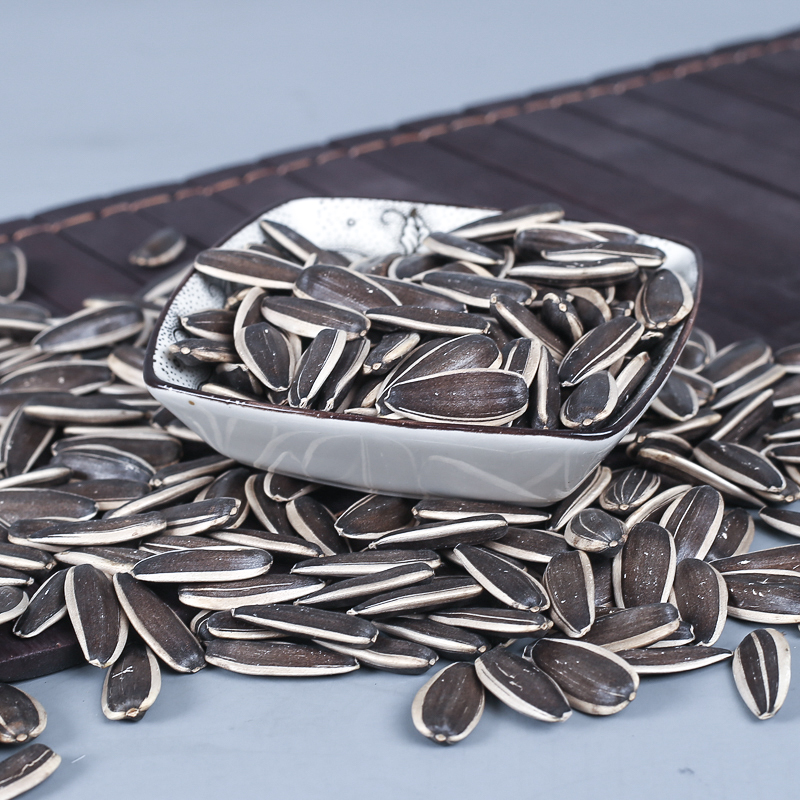
Sunflower seeds are biologically complex structures composed of a hull (pericarp), kernel (cotyledons), and embryo. The hull comprises cellulose, hemicellulose, and lignin, providing physical protection. The kernel is rich in lipids (primarily triglycerides of linoleic, oleic, and palmitic acids), proteins (globulins, albumins, and glutelins), carbohydrates, and vitamins (Vitamin E being particularly prominent). Raw material selection dictates final product quality; seed variety (hybrid vs. open-pollinated), growing conditions (soil composition, climate), and harvesting practices all impact oil content, protein profile, and potential contaminant levels.
Manufacturing begins with harvesting, typically performed mechanically. Post-harvest processing includes cleaning (removal of stalks, leaves, and other debris), drying (to a moisture content of 8-10% to inhibit microbial growth), dehulling (mechanical removal of the hull – impacting oil yield and refining costs), and grading (based on size, density, and visual quality). Dehulling processes vary, employing impact, friction, or aspiration methods. Precise control of drying temperature is critical to prevent protein denaturation and lipid oxidation. Optical sorting technologies are increasingly utilized to detect and remove damaged or discolored seeds. Parameter control focuses on maintaining consistent moisture levels, minimizing hull damage during dehulling, and preventing contamination throughout the process. Seed storage is a crucial step, requiring controlled temperature (below 15°C) and humidity (below 65%) to prevent rancidity and insect infestation. Seed treatment with appropriate fungicides may be applied preventatively.
Performance & Engineering
The performance of sunflower seeds is assessed based on several key engineering properties. Tensile strength, while not directly measured on whole seeds, is relevant to hull integrity and resistance to cracking during processing. Bulk density is crucial for storage and transportation efficiency, typically ranging from 600-700 kg/m³. Moisture content significantly influences seed viability and susceptibility to fungal growth.
Environmental resistance is a critical consideration. Sunflower seeds must withstand temperature fluctuations during storage and transport without significant degradation of oil quality. Oxidation of unsaturated fatty acids leads to rancidity, diminishing the nutritional value and palatability of the seeds and derived oil. Packaging materials (typically polypropylene or multi-layer films) must provide an effective barrier to oxygen, moisture, and light. Compliance requirements vary by region. In the EU, Regulation (EC) No 1881/2006 sets maximum levels for certain contaminants in foodstuffs, including aflatoxins. In the US, the FDA regulates sunflower seeds as food and establishes standards for sanitation and packaging. Functional implementation – for example, in birdseed mixtures or confectionary products – demands consistent seed size and oil content to ensure uniform product characteristics. Germination rate is essential for seeds intended for propagation; this is heavily influenced by seed viability and storage conditions. The oil extraction process performance, and resulting oil quality, are also significant factors related to the seed's inherent characteristics.
Technical Specifications
| Parameter | Unit | Typical Value (High Oleic) | Typical Value (Linoleic) |
|---|---|---|---|
| Oil Content | % (dry weight) | 50-58 | 42-50 |
| Protein Content | % (dry weight) | 20-25 | 20-25 |
| Moisture Content (Max.) | % | 8.0 | 8.0 |
| Kernel Size (Screen Size) | mm | 12/64 - 14/64 | 12/64 - 14/64 |
| Free Fatty Acid (FFA) | % | <0.5 | <0.8 |
| Aflatoxin Level (Max.) | ppb | <20 | <20 |
Failure Mode & Maintenance
Sunflower seeds are susceptible to several failure modes. Rancidity, caused by lipid oxidation, is a primary concern, manifesting as off-flavors and reduced nutritional value. This is accelerated by exposure to oxygen, light, and elevated temperatures. Insect infestation (e.g., by storage beetles) leads to seed damage and contamination. Mycotoxin contamination, particularly by aflatoxins produced by Aspergillus species, poses a significant health hazard. Physical damage during harvesting, dehulling, or transportation results in broken kernels, increasing susceptibility to spoilage.
Maintenance strategies focus on preventative measures. Proper drying and storage are paramount, utilizing temperature and humidity control. Regular inspection for insect activity is essential. Implementing robust sanitation protocols minimizes fungal growth and mycotoxin contamination. Packaging should provide an effective barrier to oxygen and moisture. Quality control testing (for oil content, moisture content, FFA, and aflatoxins) should be conducted throughout the supply chain. For prolonged storage, the use of modified atmosphere packaging (MAP) – reducing oxygen levels – can significantly extend shelf life. Fumigation or controlled atmosphere disinfestation may be necessary to address insect infestations, following strict regulatory guidelines. Seed viability testing should be performed periodically to assess germination rates for seeds intended for planting.
Industry FAQ
Q: What is the significance of the oleic acid content in sunflower seeds?
A: High oleic sunflower seeds are prized for their enhanced oxidative stability, resulting in a longer shelf life for both the seeds and the derived oil. The presence of a monounsaturated fatty acid (oleic) instead of polyunsaturated fatty acids (linoleic) reduces the rate of rancidity development. High oleic oil is also considered healthier due to its favorable fatty acid profile.
Q: How are aflatoxins controlled in sunflower seed production?
A: Aflatoxin control requires a multi-faceted approach. This includes using disease-resistant seed varieties, implementing proper field management practices (minimizing stress on plants), ensuring rapid and thorough drying after harvest, maintaining clean storage facilities, and conducting regular testing for aflatoxin levels. The use of antifungal agents may also be considered, but must comply with regulatory requirements.
Q: What is the impact of hulling on oil yield?
A: Dehulling increases the oil yield percentage, as the hull contains minimal oil. However, aggressive dehulling can damage the kernels, leading to increased free fatty acids and reduced oil quality. Optimizing the dehulling process to minimize damage while maximizing hull removal is crucial.
Q: What are the key considerations for long-term storage of sunflower seeds?
A: Long-term storage requires maintaining low temperature (below 15°C) and humidity (below 65%). The seeds should be stored in airtight containers or silos to prevent moisture absorption and oxygen exposure. Regular monitoring for insect activity and aflatoxin levels is essential.
Q: How does seed variety affect the final product quality?
A: Seed variety significantly influences oil content, fatty acid profile, protein content, and hull characteristics. Different varieties are bred for specific end-uses, such as confectionary (larger kernel size) or oil production (high oil content). Selecting the appropriate variety is crucial for achieving the desired product characteristics.
Conclusion
High quality bulk raw sunflower seeds are a complex agricultural product, subject to a range of factors impacting their performance and stability. Understanding the material science, manufacturing processes, and critical performance parameters is essential for maintaining quality throughout the supply chain. Effective control of moisture content, prevention of contamination, and appropriate storage conditions are paramount to preserving seed viability, nutritional value, and oil quality.
Future developments in sunflower seed technology will likely focus on breeding for improved disease resistance, increased oil content, and enhanced fatty acid profiles. Advancements in storage and handling techniques, such as optimized modified atmosphere packaging and real-time monitoring of seed quality, will also play a crucial role in minimizing losses and maximizing the economic value of this important agricultural commodity.
