Introduction
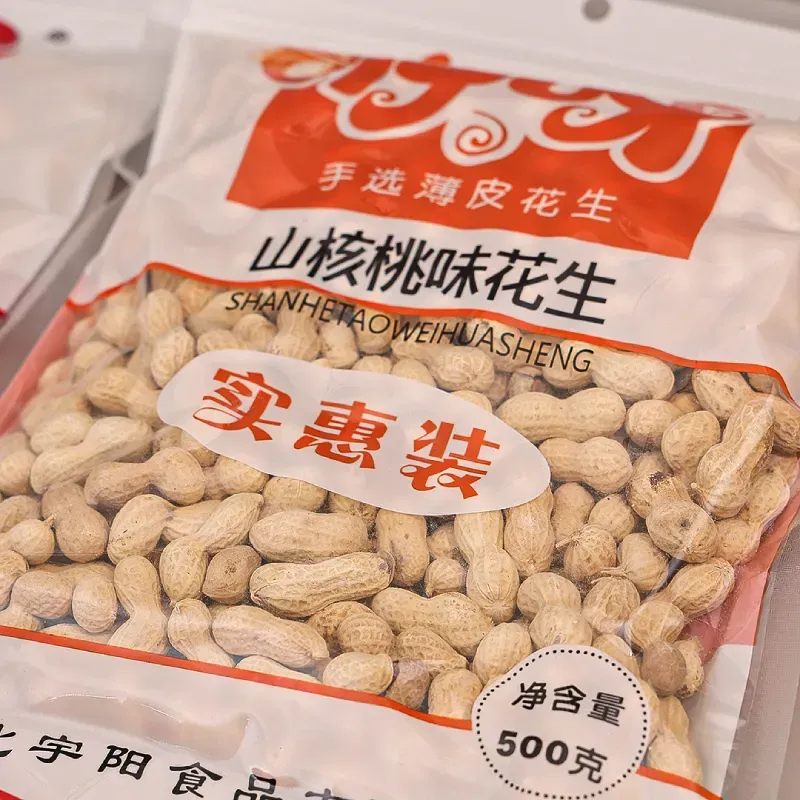
High quality blueberry flavored sunflower seeds represent a significant segment within the snack food industry, bridging the gap between healthy consumption and palatable indulgence. These seeds are not merely a confection, but a carefully engineered product employing specific processing techniques to impart a consistent flavor profile and optimized texture. Their technical position in the food chain falls under the category of processed seed-based snacks, requiring adherence to stringent food safety regulations and quality control measures. Core performance characteristics center around achieving a desirable flavor release, maintaining a consistent seed coat integrity to prevent breakage during handling, and ensuring long-term storage stability to retain flavor and crispness. The growing demand for healthier snack options has propelled the development of sophisticated flavoring systems and seed preparation methods, making the manufacturing process a complex interplay of agricultural science, food chemistry, and engineering principles. A key industry pain point revolves around maintaining consistent flavor encapsulation during the coating process and preventing off-flavor development during storage, especially in diverse climates.
Material Science & Manufacturing
The primary raw material, sunflower seeds ( Helianthus annuus ), exhibit inherent variations in oil content, protein composition, and seed coat thickness. Kernel oil content typically ranges from 42-58% by weight, impacting flavor adherence and textural characteristics. The protein content (around 20-25%) influences the seed’s structural integrity. Manufacturing begins with seed selection, grading, and cleaning to remove foreign materials and damaged kernels. De-hulling, while optional, is frequently employed to reduce the seed’s overall bulk and improve the efficiency of flavor coating. The blueberry flavor is imparted through a multi-stage process. Initially, a binding agent, typically a sugar syrup (sucrose, glucose) or modified starch, is applied to the seed surface. This serves as an adhesive base for the blueberry flavoring. The flavoring itself is a complex mixture comprising blueberry concentrate, citric acid (for tartness and preservation), food colorings (anthocyanins), and potentially malic acid or other flavor enhancers. The coating process utilizes fluidized bed technology or drum coating, meticulously controlling airflow, temperature (40-60°C), and coating solution spray rate to ensure uniform coverage. Post-coating, a drying stage is critical to remove excess moisture, preventing clumping and microbial growth. Parameter control focuses on maintaining consistent syrup viscosity, precise temperature regulation during drying (to avoid seed scorching or flavor degradation), and monitoring moisture content (target: <3%). Chemical compatibility between the coating ingredients and the seed oil is paramount, as lipid oxidation can lead to rancidity and off-flavor development.
Performance & Engineering
The structural integrity of the coated sunflower seed is crucial for withstanding handling, transportation, and consumption. Force analysis reveals that the seed coat, reinforced by the coating layer, must resist crushing forces typically encountered during packaging and distribution. The coating's tensile strength and elongation at break directly correlate with its ability to protect the kernel from damage. Environmental resistance is a significant concern. Moisture absorption can lead to coating softening, flavor leaching, and microbial proliferation. Therefore, packaging materials with low water vapor transmission rates (WVTR) are essential. Exposure to elevated temperatures (above 30°C) accelerates lipid oxidation within the seed kernel, resulting in rancidity. Antioxidants, such as BHA or BHT, are often incorporated into the coating formulation to mitigate this effect. Compliance requirements are dictated by national and international food safety regulations (e.g., FDA in the US, EFSA in Europe). These regulations specify permissible levels of food additives, heavy metal contamination limits, and microbiological standards. Functional implementation relies heavily on the even distribution of the blueberry flavor compounds. Sensory analysis confirms that consistent flavor perception is achieved when the coating thickness and flavor concentration are precisely controlled. Furthermore, the texture - a balance between crispness and chewiness – is engineered through optimizing the coating composition and drying parameters.
Technical Specifications
| Parameter | Unit | Specification | Test Method |
|---|---|---|---|
| Moisture Content | % (w/w) | ≤ 3.0 | Karl Fischer Titration (AOAC 925.10) |
| Blueberry Flavor Intensity | ppm | 1500 – 2500 | Gas Chromatography-Mass Spectrometry (GC-MS) |
| Coating Uniformity (Standard Deviation of Coating Weight) | mg | ≤ 5 | Gravimetric Analysis (n=100) |
| Seed Damage (Broken/Damaged Kernels) | % (w/w) | ≤ 2.0 | Visual Inspection |
| Peroxide Value (Indicator of Lipid Oxidation) | meq O2/kg | ≤ 5.0 | AOCS Cd 8-53 |
| Water Vapor Transmission Rate (WVTR) – Packaging Material | g/m²/day | ≤ 3.0 | ASTM E96 |
Failure Mode & Maintenance
Common failure modes in blueberry flavored sunflower seeds include flavor degradation (loss of blueberry aroma and taste), coating delamination (separation of the coating from the seed), kernel rancidity (due to lipid oxidation), and physical damage (seed breakage). Flavor degradation often results from improper storage conditions, particularly exposure to light, oxygen, and elevated temperatures. Coating delamination is typically caused by insufficient adhesion between the coating and the seed surface, frequently linked to inadequate drying or the presence of oil residues. Rancidity occurs when unsaturated fatty acids in the seed oil undergo oxidation, producing off-flavors. Seed breakage is primarily a mechanical failure resulting from excessive handling stress during processing, packaging, or transportation. Maintenance primarily involves stringent quality control during manufacturing and optimized storage protocols. Recommended storage conditions include temperatures below 25°C, relative humidity below 60%, and protection from direct sunlight. Packaging should employ moisture barrier materials and nitrogen flushing to minimize oxygen exposure. Periodic sensory evaluations are crucial for detecting early signs of flavor deterioration. Furthermore, monitoring peroxide values provides a quantitative assessment of lipid oxidation levels. For bulk storage, regular pest control measures are essential to prevent insect infestation and seed damage.
Industry FAQ
Q: What is the primary driver of flavor loss in blueberry flavored sunflower seeds over time?
A: The primary driver of flavor loss is the volatilization of aromatic compounds responsible for the blueberry flavor. This process is accelerated by exposure to oxygen, light, and elevated temperatures. Proper packaging with a low oxygen permeability and storage in a cool, dark environment are crucial for minimizing flavor loss.
Q: How does seed oil content impact the adhesion of the blueberry flavor coating?
A: Higher oil content can interfere with coating adhesion. The oil migrates to the seed surface, creating a barrier between the coating and the seed kernel. This results in weaker adhesion and increased susceptibility to coating delamination. Pre-treatment of the seeds, such as a brief heat treatment, can reduce surface oil and improve coating adhesion.
Q: What analytical techniques are used to assess the quality and consistency of the blueberry flavoring?
A: Gas Chromatography-Mass Spectrometry (GC-MS) is the primary technique used to identify and quantify the individual flavor compounds within the blueberry flavoring. Sensory analysis, utilizing trained panelists, is also essential for evaluating flavor intensity, aroma profile, and overall acceptability. Colorimetry is used to assess color consistency.
Q: What are the critical control points during the coating process to ensure uniform flavor distribution?
A: Critical control points include maintaining consistent syrup viscosity, controlling the spray rate of the coating solution, optimizing airflow within the coating equipment, and accurately regulating the drying temperature and duration. Continuous monitoring of these parameters is essential for achieving uniform flavor distribution.
Q: What packaging materials are recommended to maximize shelf life and prevent moisture absorption?
A: Multi-layer films incorporating a metallized layer (e.g., aluminum foil) and a polyethylene (PE) or polypropylene (PP) inner layer are recommended. These materials provide excellent moisture barrier properties and oxygen impermeability. Nitrogen flushing before sealing the package further minimizes oxygen exposure.
Conclusion
High quality blueberry flavored sunflower seeds represent a technically complex snack food product requiring precise control over material science, manufacturing processes, and packaging technologies. Achieving optimal flavor, texture, and shelf life necessitates a holistic understanding of seed composition, coating chemistry, and environmental factors influencing product stability. The consistent performance of these seeds hinges on meticulous parameter control throughout the entire production chain, from seed selection and preparation to coating application and packaging.
Looking forward, advancements in encapsulation technologies and the development of novel antioxidant systems promise to further enhance flavor retention and extend shelf life. Continuous monitoring of regulatory changes and consumer preferences will also be crucial for sustained success in this dynamic market. A focus on sustainable sourcing of sunflower seeds and environmentally friendly packaging materials will be increasingly important to meet evolving consumer demands.
