Introduction
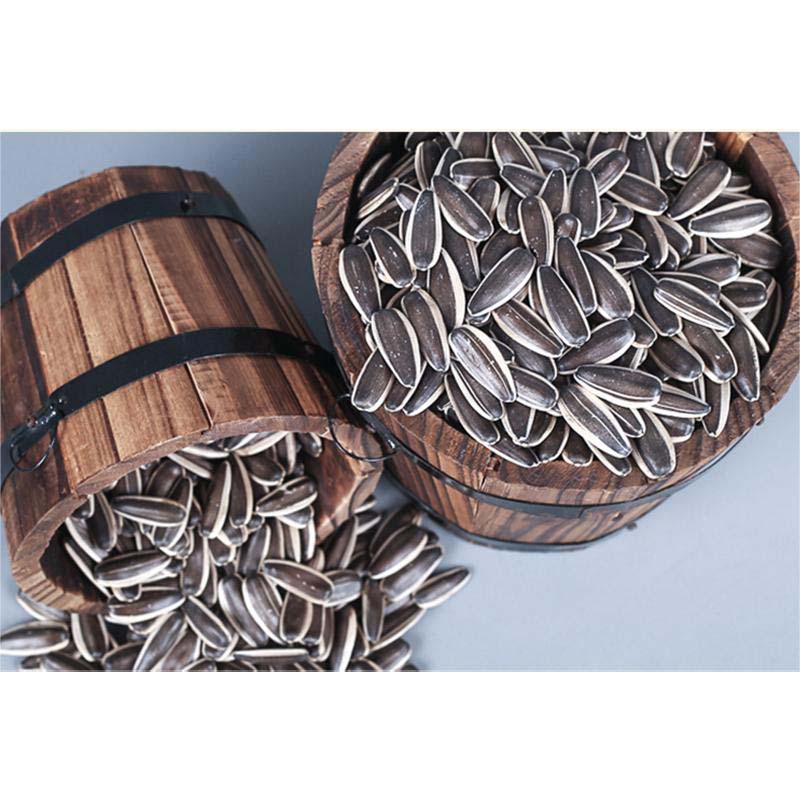
High quality black sunflower seeds (Helianthus annuus) represent a critical component in the animal feed, confectionary, and increasingly, the biofuel industries. These seeds are distinguished by their dark pericarp, resulting from high anthocyanin content, and contribute significantly to oil yield, protein content, and essential fatty acid profiles. Within the agricultural supply chain, black sunflower seeds occupy a specialized niche, demanding stringent quality control measures at each stage – from cultivar selection and field management to post-harvest processing, drying, and storage. Their technical position is defined by a consistent need for high oil content (typically exceeding 40%), low moisture levels (below 10%), and minimal levels of hull damage. This guide details the material science, manufacturing processes, performance characteristics, failure modes, and industry standards associated with commercially viable, high quality black sunflower seeds.
Material Science & Manufacturing
The foundational material science of black sunflower seeds centers on the composition of the kernel, hull, and embryo. The kernel consists primarily of oil (linoleic acid, oleic acid), protein (globulins, albumin), carbohydrates, and minor components including vitamins (E, B-complex) and minerals (magnesium, zinc). The hull, or pericarp, provides structural integrity and influences seed handling characteristics. Anthocyanins, responsible for the black color, are flavonoid pigments exhibiting antioxidant properties. Manufacturing begins with cultivar selection prioritizing oil yield, disease resistance, and seed size uniformity. Planting density, fertilization regimes (nitrogen, phosphorus, potassium), and irrigation strategies influence seed development. Harvesting occurs when seed moisture content reaches approximately 18-20%. Drying is critical, typically employing forced-air drying to reduce moisture to 8-10%, preventing fungal growth and lipid peroxidation. Seed cleaning and grading processes remove foreign material, broken kernels, and undersized seeds. Parameter control during drying is paramount – temperature exceeding 45°C can degrade oil quality, while insufficient drying leads to spoilage. Hulling, if required for confectionary applications, utilizes mechanical abrasion, demanding precise control to minimize kernel damage. Quality control at each stage involves rigorous testing for oil content, moisture content, germination rate, and mycotoxin levels (aflatoxins).
Performance & Engineering
Performance of black sunflower seeds is evaluated across several key engineering parameters. Bulk density influences storage capacity and conveying system design; typical values range from 650-750 kg/m³. Seed hardness, measured using a Shatterometer, impacts hulling efficiency and seed damage during processing. Flowability, vital for automated handling, is affected by seed shape, size, and surface texture. Environmental resistance is a critical consideration. Exposure to high humidity leads to increased moisture content, promoting fungal growth and mycotoxin production. Temperature fluctuations cause expansion and contraction, potentially cracking the hull and reducing seed viability. Storage stability, ensuring germination rate and oil quality over extended periods, is paramount. Compliance requirements encompass regulations set by national and international food safety agencies. For example, seeds intended for human consumption must meet stringent standards for pesticide residues, heavy metal contamination, and mycotoxin levels. Furthermore, seeds intended for biofuel production are subject to criteria related to oil composition and energy content. The seed coat’s mechanical strength dictates its ability to withstand the stresses imposed during handling, processing, and transportation. Finite element analysis (FEA) can be employed to model stress distribution within the seed during impact and compression.
Technical Specifications
| Parameter | Unit | Typical Value (Range) | Test Method |
|---|---|---|---|
| Oil Content | % (dry weight basis) | 40-55% | AOAC Official Method 920.39 |
| Moisture Content | % | 8-10% | AOAC Official Method 925.10 |
| Protein Content | % (dry weight basis) | 18-25% | Kjeldahl Method (AOAC Official Method 920.87) |
| Hull Percentage | % | 20-30% | Visual Inspection/Mechanical Separation |
| Germination Rate | % | >85% | ISTA Rules |
| Aflatoxin B1 | ppb | <20 | HPLC – Fluorescence Detection (AOAC Official Method 999.09) |
Failure Mode & Maintenance
Failure modes in high quality black sunflower seeds typically manifest as reduced germination rate, diminished oil quality, or contamination. A primary failure mechanism is lipid peroxidation, induced by exposure to oxygen, light, and elevated temperatures, resulting in rancidity and reduced nutritional value. Mechanical damage during harvesting, drying, or handling causes cracked hulls and broken kernels, increasing susceptibility to fungal invasion and insect infestation. Fungal growth, particularly Aspergillus species, produces mycotoxins (aflatoxins) rendering the seeds unfit for consumption. Insect infestation (e.g., weevils) results in seed weight loss and physical damage. Prolonged storage under improper conditions (high humidity, temperature fluctuations) accelerates degradation processes. Maintenance strategies center on preventative measures. Proper drying and storage in sealed, climate-controlled facilities are crucial. Regular monitoring for moisture content, temperature, and pest activity is essential. Fumigation with approved insecticides may be necessary to control insect infestations. Seed treatments with fungicides can protect against fungal growth during storage. Implementing a robust quality control program, including regular testing for mycotoxins and oil quality, is paramount. Proper ventilation during storage minimizes humidity buildup and prevents localized heating.
Industry FAQ
Q: What is the acceptable level of free fatty acids (FFA) in black sunflower seeds intended for oil extraction?
A: Generally, an FFA content below 1.5% is considered acceptable for efficient oil extraction and high-quality oil production. Higher FFA levels indicate lipid hydrolysis, leading to reduced oil yield and increased refining costs.
Q: How does seed size affect the oil yield?
A: While not a direct correlation, larger seed size often corresponds to a higher oil content due to increased endosperm development. However, cultivar genetics play a far more significant role. Uniform seed size improves processing efficiency.
Q: What are the key considerations when selecting a drying system for black sunflower seeds?
A: The drying system must provide precise temperature and airflow control to prevent overheating and oil degradation. Low-temperature drying is preferred. Continuous-flow dryers are often used for large-scale operations.
Q: What are the typical storage requirements to maintain seed viability and oil quality?
A: Seeds should be stored in a cool (below 15°C), dry (below 60% relative humidity), and well-ventilated facility. Sealed containers are essential to prevent moisture absorption and insect infestation. Regular monitoring of temperature and humidity is crucial.
Q: How do different harvesting methods impact seed quality?
A: Direct combine harvesting can result in higher levels of foreign material and broken kernels compared to two-stage harvesting (swathing followed by combining). Careful combine adjustment is crucial to minimize seed damage.
Conclusion
High quality black sunflower seeds are a complex agricultural commodity demanding precise control throughout the entire supply chain. Their value is underpinned by a robust understanding of material science principles, efficient manufacturing processes, and rigorous quality control measures. Maintaining optimal oil content, minimizing moisture levels, and preventing contamination are critical for maximizing economic viability and ensuring product safety.
Future trends will likely focus on developing cultivars with enhanced oil profiles, improved disease resistance, and increased tolerance to environmental stresses. Advancements in drying and storage technologies will further enhance seed quality and longevity. Continued adherence to international standards and best practices will be essential for maintaining competitiveness in the global market.
