Introduction
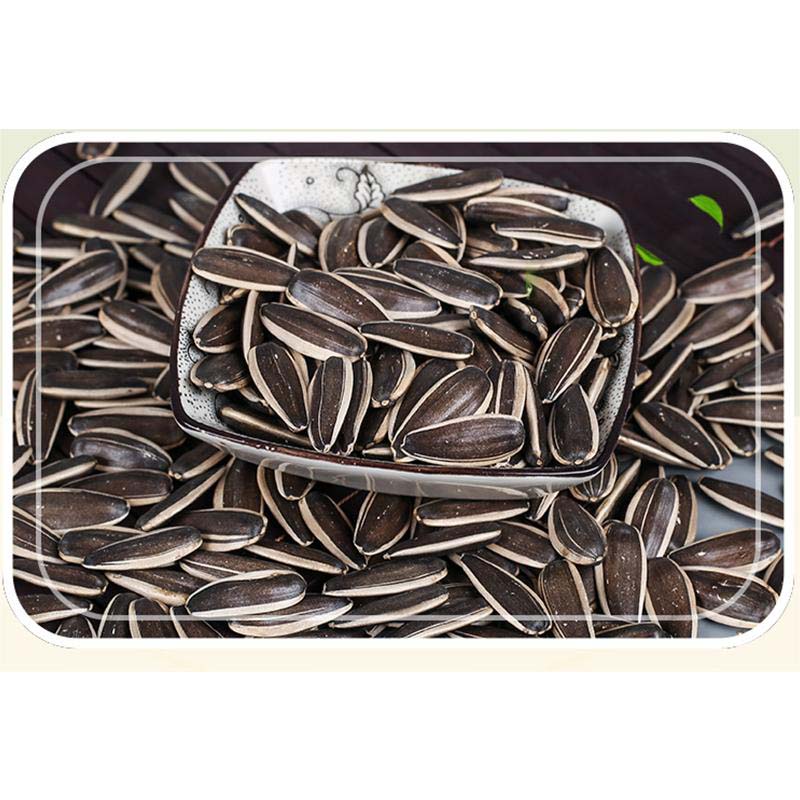
High quality black sunflower seeds for planting ( Helianthus annuus) represent a significant segment within the global oilseed and agricultural markets. These seeds are not merely a commodity; they are a carefully engineered agricultural input optimized for oil content, protein levels, and germination rates. Their technical position in the value chain extends from breeding programs and seed processing to agricultural production, oil extraction, and ultimately, the food and feed industries. The defining characteristic of high-quality seeds is a consistent genetic profile resulting in predictable performance in varying environmental conditions. Core performance metrics center around oil yield (typically 40-50% by weight), protein content (18-25%), and, critically, the absence of seed-borne diseases and contaminants. This guide provides a comprehensive technical overview of these seeds, covering material science, manufacturing processes, performance characteristics, potential failure modes, and industry standards.
Material Science & Manufacturing
The foundational material science of black sunflower seeds revolves around the chemical composition of the kernel and hull. The kernel is primarily composed of lipids (triglycerides), proteins (globulins, albumin, and prolamin), carbohydrates (primarily starch), and a small percentage of minerals. The lipid fraction determines the oil yield, with oleic and linoleic acids being the dominant fatty acids. Hull composition consists largely of cellulose, hemicellulose, and lignin, providing a protective outer layer. The black seed coat coloration is due to the presence of anthocyanins and other phenolic compounds, providing antioxidant properties.
Manufacturing begins with hybrid seed development, employing controlled pollination techniques to maximize desirable traits. Seed processing involves cleaning (removal of debris), sizing (separation based on seed diameter), density grading (using air separators to remove light or damaged seeds), and treatment with fungicides and insecticides to prevent seed-borne diseases and pest damage. A critical parameter is seed moisture content – ideally maintained between 8-10% for optimal storage stability. The drying process, typically utilizing forced-air dryers, must be carefully controlled to prevent cracking and maintain seed viability. Seed coating technology, employing polymers and micronutrients, is increasingly used to enhance germination rates and provide early-season plant protection. Quality control at each stage – genetic purity testing, germination testing (assessing percentage of seeds that sprout), and tetrazolium testing (evaluating seed viability) – is paramount. Parameter control during processing hinges on maintaining consistent temperature, humidity, and air flow to minimize seed damage and ensure uniform seed quality.
Performance & Engineering
Performance assessment of sunflower seeds centers around agronomic traits and oil quality. Germination energy (percentage of seeds germinating within a defined timeframe) and germination rate (overall percentage of seeds germinating) are primary indicators of seed viability. Seed vigor, assessed through seedling growth rate and root development, reflects the seed’s ability to establish a robust plant under suboptimal conditions. Oil content is quantified through Soxhlet extraction, while fatty acid profiles are determined using gas chromatography. Protein content is measured using the Kjeldahl method. Environmental resistance is evaluated through field trials, assessing seed performance under varying temperature, moisture, and soil conditions.
Engineering considerations focus on optimizing seed handling and planting. Seed size and shape influence metering accuracy in pneumatic planters. Seed coating formulations must be durable enough to withstand handling during transport and planting, yet readily break down in the soil to release the active ingredients. Compliance requirements often include adherence to maximum residue levels (MRLs) for pesticides and fungicides, as regulated by governing bodies in importing countries. Force analysis during planting assesses the compressive strength of the seed to prevent damage during seed placement. Furthermore, maintaining genetic purity and preventing outcrossing with wild sunflower species are crucial engineering challenges addressed through isolation distances and seed certification programs.
Technical Specifications
| Parameter | Unit | Typical Value | Tolerance |
|---|---|---|---|
| Oil Content | % (Dry Weight Basis) | 44-48 | ±2% |
| Protein Content | % (Dry Weight Basis) | 20-24 | ±1.5% |
| Germination Rate | % | ≥85 | - |
| Moisture Content | % | 8-10 | ±0.5% |
| 1000-Seed Weight | g | 5-7 | ±0.5g |
| Seed Purity | % | ≥99 | - |
Failure Mode & Maintenance
Failure modes in black sunflower seeds can be categorized into pre-planting and post-planting issues. Pre-planting failures include poor germination due to seed damage (cracking, chipping), seed-borne diseases (e.g., Sclerotinia sclerotiorum, Fusarium species), and insect infestation. These failures are often manifested as reduced germination rates and seedling vigor. Post-planting failures can arise from environmental stresses (drought, heat, frost), nutrient deficiencies, and pest/disease attacks during the growing season, impacting yield and oil quality.
Maintenance and preventative measures begin with proper seed storage. Seeds should be stored in cool, dry, and well-ventilated facilities, ideally at temperatures below 15°C and relative humidity below 60%. Regular monitoring of seed moisture content is crucial. Implementation of robust seed treatment protocols, utilizing appropriate fungicides and insecticides, minimizes the risk of seed-borne diseases and pest damage. Seed testing, including germination and purity assays, should be conducted prior to planting to verify seed quality. During planting, proper seed depth and spacing are essential for optimal germination and plant establishment. Following planting, regular scouting for pests and diseases, coupled with appropriate management practices, is vital for maximizing yield potential. Addressing soil nutrient deficiencies through balanced fertilization further contributes to plant health and oil production.
Industry FAQ
Q: What is the significance of the oil content percentage and fatty acid profile in determining the quality of black sunflower seeds?
A: Oil content directly impacts the yield of oil per unit of seed, a primary economic driver. The fatty acid profile – specifically the ratio of oleic to linoleic acid – influences oil stability, nutritional value, and suitability for various applications (e.g., edible oil, biodiesel). High oleic sunflower oil, for example, exhibits superior oxidative stability and is preferred for frying and high-temperature cooking.
Q: How does seed coating technology contribute to improved field performance?
A: Seed coating enhances germination rates, protects seedlings from early-season pests and diseases, and can deliver essential micronutrients directly to the developing plant. The polymer matrix provides a controlled-release mechanism, ensuring sustained protection and nutrient availability during critical growth stages.
Q: What are the critical considerations for long-term seed storage to maintain viability?
A: Maintaining low moisture content (8-10%) and low temperature (below 15°C) are paramount. Proper ventilation prevents condensation and mold growth. Seeds should be stored in airtight containers to minimize exposure to oxygen and humidity. Regular monitoring of seed quality through periodic germination testing is recommended.
Q: How are seed purity standards enforced and what are the implications of low purity?
A: Seed purity standards are enforced through rigorous testing protocols by seed certification agencies. Low purity, resulting from the presence of weed seeds or other crop seeds, reduces the effective planting rate, increases weed competition, and can contaminate harvested grain, impacting both yield and quality.
Q: What are the common seed-borne diseases and how are they managed?
A: Common seed-borne diseases include Sclerotinia sclerotiorum (white mold), Fusarium species (causing head rot), and Alternaria species (causing leaf spot). Management strategies include seed treatment with fungicides, crop rotation, sanitation practices (removing infected plant debris), and utilizing disease-resistant cultivars.
Conclusion
High quality black sunflower seeds for planting represent a complex interplay of genetic engineering, material science, and agricultural best practices. The technical specifications outlined herein – encompassing oil content, protein levels, germination rates, and purity standards – are critical indicators of seed performance and ultimately, the economic viability of sunflower cultivation. A thorough understanding of these parameters, coupled with diligent quality control measures throughout the manufacturing and storage processes, is essential for maximizing yield potential and ensuring the consistent production of high-quality sunflower oil.
Future advancements in sunflower seed technology are likely to focus on enhancing oil quality (e.g., increasing oleic acid content), improving disease resistance through gene editing, and developing seed coatings that deliver tailored nutrient formulations for specific soil conditions. Continued research into seed physiology and dormancy mechanisms will also contribute to improved seed storage and germination strategies, furthering the sustainability and profitability of sunflower production.
