Introduction
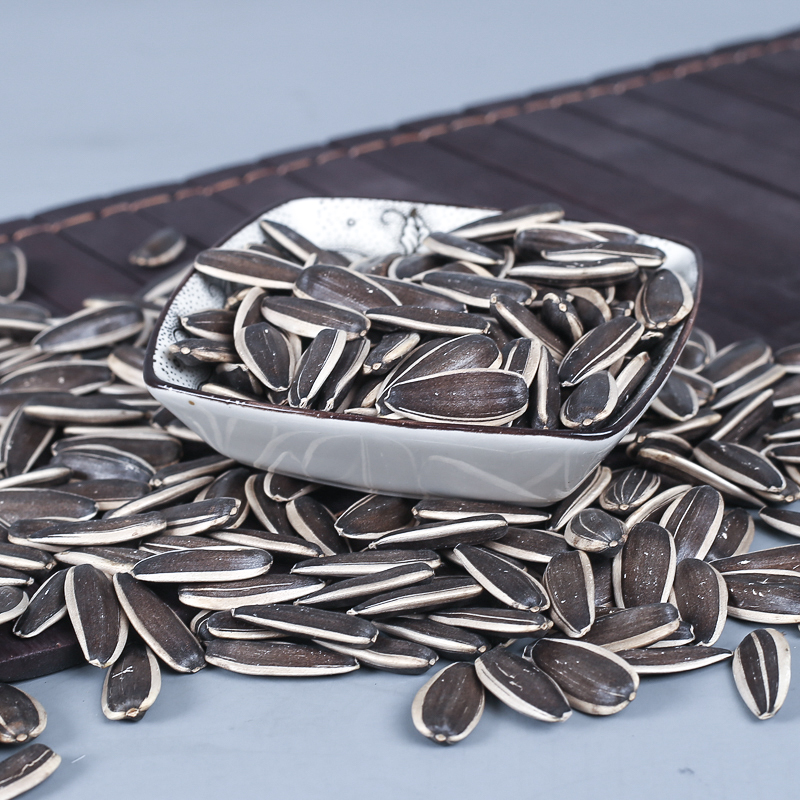
High quality black seed bitter melon ( Momordica charantia var. black seed) represents a specialized cultivar of the widely consumed bitter melon, distinguished by the presence of mature, dark-colored seeds within the fruit. Its position in the agricultural supply chain extends from cultivated farms, often utilizing controlled environment agriculture for consistent quality, through processing facilities focused on grading, cleaning, and preservation (drying, freezing, or brining), and finally to distribution networks supplying food processing industries, health food retailers, and direct-to-consumer markets. Core performance characteristics center around its bioactive compound profile – notably charantin, polypeptide-p, and various vitamins and minerals – influencing its perceived health benefits. These constituents dictate its utility in functional foods, dietary supplements, and traditional medicinal applications. The seed component is increasingly recognized for its oil content and potential nutraceutical value. Unlike common cultivars, the black seed variant demonstrates a specific balance of bitterness and flavor complexity, impacting consumer acceptance and processing requirements.
Material Science & Manufacturing
The raw material, Momordica charantia var. black seed, exhibits a complex cellular structure comprised of parenchymal cells, vascular bundles, and a rind containing lignified fibers. Physically, the fruit is characterized by a high water content (approximately 92-95% at maturity), moderate firmness, and a relatively low density. Chemically, its composition is dominated by carbohydrates (primarily fructose and glucose), proteins, and a significant concentration of secondary metabolites responsible for its characteristic bitterness and bioactivity. Manufacturing processes commence with seed selection prioritizing genetic purity and high germination rates. Cultivation often employs drip irrigation and integrated pest management strategies. Post-harvest, rapid cooling is crucial to minimize enzymatic degradation. Processing involves washing, sorting (removing damaged or diseased fruit), and sizing. Drying methods vary significantly: sun-drying, though cost-effective, poses risks of contamination and nutrient loss. Freeze-drying preserves maximum bioactive compounds but is energy intensive. Vacuum drying offers a compromise. Seed extraction necessitates mechanical separation followed by cleaning and drying. Parameter control focuses on maintaining temperatures below 45°C during drying to preserve charantin’s stability and humidity control to prevent mold growth. Seed oil extraction typically utilizes cold pressing to maximize oil yield and quality, though solvent extraction is also employed at an industrial scale. Quality control throughout the process demands regular monitoring of moisture content, pesticide residues, heavy metal concentrations, and bioactive compound levels.
Performance & Engineering
The performance of high quality black seed bitter melon is fundamentally linked to the integrity of its bioactive compounds throughout processing and storage. Charantin’s effectiveness as a hypoglycemic agent is temperature-sensitive, requiring careful control of thermal stress during drying and extraction. The mechanical forces during seed extraction must be optimized to minimize seed damage, which can release lipids and reduce oil quality. Environmental resistance considerations include susceptibility to fungal infections (particularly Fusarium and Botrytis) during storage, necessitating proper ventilation and humidity control. Compliance requirements are multifaceted. Food safety standards, such as HACCP and GMP, are paramount. Organic certification (e.g., USDA Organic, EU Organic) requires adherence to strict agricultural practices prohibiting synthetic pesticides and fertilizers. Regulations governing dietary supplements (e.g., DSHEA in the US) dictate labeling requirements and permissible health claims. Furthermore, the packaging material must provide adequate barrier properties to oxygen, moisture, and light to prevent oxidative degradation of bioactive compounds and preserve product quality. Functional implementation considers the target application – whether for direct consumption, juice extraction, or oil production – influencing optimal fruit maturity and processing parameters. Force analysis during seed oil extraction involves optimizing pressing pressure to maximize yield while minimizing the introduction of undesirable seed fragments.
Technical Specifications
| Parameter | Unit | Specification (Typical) | Test Method |
|---|---|---|---|
| Moisture Content (Fruit) | % w/w | 92-95 | AOAC 925.10 |
| Moisture Content (Seeds) | % w/w | 8-12 | Oven Drying (105°C, 24h) |
| Charantin Content (Fruit) | mg/100g | 15-30 | HPLC-UV |
| Oil Content (Seeds) | % w/w | 40-50 | Soxhlet Extraction |
| Acid Value (Seed Oil) | mg KOH/g | < 2.0 | Titration (ASTM D974) |
| Peroxide Value (Seed Oil) | meq O2/kg | < 5.0 | Titration (ASTM D3895) |
Failure Mode & Maintenance
Failure modes in high quality black seed bitter melon can be categorized into physiological, microbial, and chemical degradation pathways. Physiological deterioration manifests as shriveling, loss of turgor, and softening of the fruit, often due to water loss and enzymatic activity. Microbial spoilage, primarily caused by fungi (e.g., Botrytis cinerea, Rhizopus stolonifer) and bacteria, results in rotting and off-odors. Chemical degradation involves the oxidation of lipids in the seeds, leading to rancidity and loss of nutritional value, and the breakdown of charantin, diminishing its bioactive properties. Fatigue cracking is less relevant in the fruit itself, but can occur in processing equipment. Delamination isn’t applicable to the fruit, but can affect coatings applied during processing. Maintenance solutions involve strict adherence to temperature and humidity control during storage (5-10°C and 65-75% RH), proper sanitation of processing facilities, and the use of appropriate packaging materials with barrier properties. Regular monitoring of moisture content and microbial load is essential. Antioxidant packaging can extend shelf life by inhibiting lipid oxidation. Seed oil should be stored in dark, airtight containers under refrigeration. Preventative maintenance of processing equipment (e.g., seed extractors, dryers) is crucial to minimize mechanical damage and ensure optimal performance. Addressing root causes of contamination (e.g., poor hygiene practices) is critical for preventing recurring spoilage events.
Industry FAQ
Q: What is the primary driver for fluctuations in charantin content across different batches of black seed bitter melon?
A: Charantin content is significantly influenced by several factors. Genetic variability within the cultivar plays a role. Environmental conditions during cultivation, including sunlight exposure, temperature, and water availability, substantially impact charantin biosynthesis. Fruit maturity at harvest is critical; charantin levels generally peak during a specific stage of ripeness. Post-harvest handling, particularly drying temperature, can degrade charantin if not carefully controlled. Therefore, consistent sourcing from a reputable supplier with established agricultural practices and rigorous quality control is crucial for minimizing batch-to-batch variations.
Q: How does the seed oil extraction method impact the fatty acid profile and oxidative stability of the resulting oil?
A: Cold pressing typically yields an oil with a superior fatty acid profile, preserving the essential fatty acids (linoleic and oleic acids) more effectively. However, solvent extraction can achieve higher oil yields. Solvent residue must be meticulously removed to meet food safety standards. Oxidative stability is influenced by the presence of natural antioxidants within the oil and the processing conditions. Exposure to heat, light, and oxygen during extraction and storage accelerates oxidation. Vacuum degassing during or after extraction can remove dissolved oxygen, improving oxidative stability. Proper filtration removes particulate matter that can catalyze oxidation.
Q: What are the key considerations when selecting packaging materials to maintain the quality of dried black seed bitter melon flakes?
A: The primary consideration is barrier protection. The packaging material must provide an effective barrier to oxygen, moisture, and light to prevent oxidation of bioactive compounds and maintain product crispness. High-density polyethylene (HDPE) or multilayer films with aluminum foil layers are commonly used. The material should also be food-grade and compliant with relevant regulations. Modified atmosphere packaging (MAP), employing nitrogen flushing to reduce oxygen levels, can further extend shelf life. Packaging integrity is crucial; proper sealing prevents ingress of contaminants and maintains barrier properties.
Q: What are the common methods for verifying the authenticity of black seed bitter melon and preventing adulteration?
A: Authenticity verification relies on a combination of morphological, chemical, and molecular techniques. Macroscopic and microscopic examination of the fruit and seeds can identify key characteristics. HPLC-UV analysis can quantify charantin levels and other signature compounds. DNA barcoding can confirm the species identity and detect the presence of adulterants. Isotope ratio mass spectrometry (IRMS) can differentiate between products grown in different geographical regions. Supply chain traceability is essential, ensuring that the product can be traced back to its origin and verifying adherence to quality standards.
Q: How does the drying method affect the retention of volatile aroma compounds contributing to the unique flavor profile of black seed bitter melon?
A: Drying method significantly impacts volatile aroma compound retention. Sun-drying, while economical, results in substantial losses due to volatilization and oxidation. Freeze-drying preserves the maximum number of volatile compounds, resulting in a more intense and authentic flavor profile. Vacuum drying provides a reasonable compromise, minimizing losses while being less energy-intensive than freeze-drying. Optimizing drying temperature and airflow rate is crucial for maximizing aroma retention regardless of the method employed. Post-drying storage conditions also influence volatile compound stability.
Conclusion
High quality black seed bitter melon is a complex agricultural product demanding meticulous attention to detail throughout the entire value chain, from cultivation to processing and storage. Its unique bioactive profile, particularly the presence of charantin and the characteristics of its seed oil, dictate its utility in functional foods and nutraceuticals. Maintaining product quality requires stringent control of key parameters, including temperature, humidity, and exposure to oxygen and light. Implementing robust quality control measures and adhering to relevant industry standards (food safety, organic certification) are paramount.
Future research should focus on optimizing cultivation practices to enhance charantin content, developing more efficient and sustainable extraction methods for seed oil, and exploring novel packaging technologies to extend shelf life and preserve product quality. Furthermore, a deeper understanding of the structure-activity relationships of bioactive compounds in black seed bitter melon will pave the way for more targeted and effective applications in health and wellness. Continued investment in traceability systems will be essential for ensuring product authenticity and building consumer trust.
