Introduction
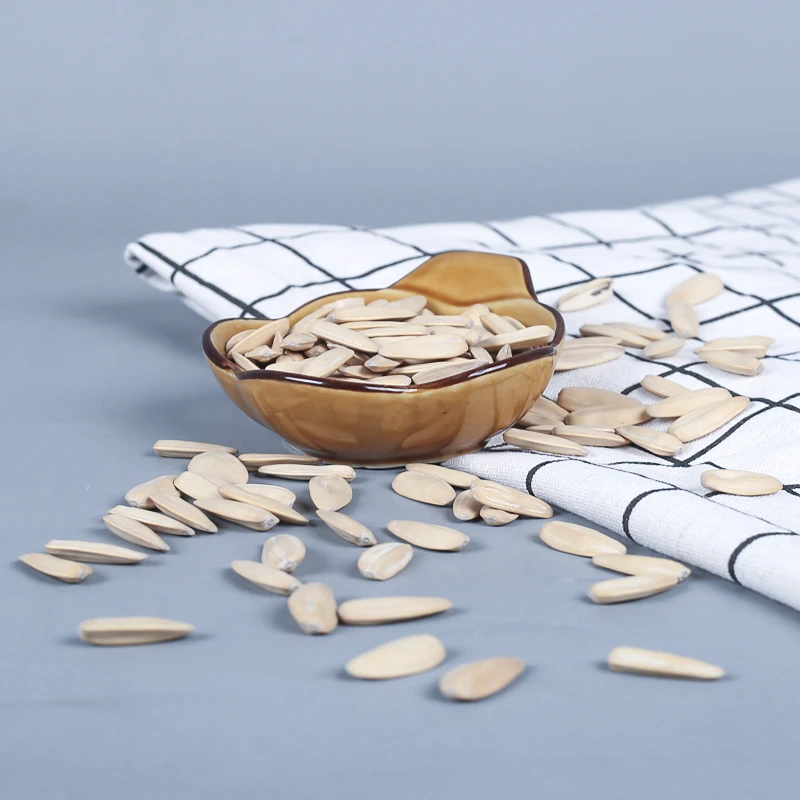
High quality black oil sunflower seeds (Helianthus annuus) represent a significant component of the agricultural feedstock industry, primarily utilized for avian consumption, livestock feed supplementation, and increasingly, for human food applications due to their high linoleic acid content. A 40lb unit constitutes a common packaging size for wholesale and retail distribution. These seeds occupy a specific niche within the oilseed market, distinct from confectionary sunflower seeds due to their higher oil content and smaller kernel size. Their economic importance stems from their efficient oil yield, relatively low production costs, and broad adaptability to various growing conditions. This guide provides a comprehensive technical overview of black oil sunflower seeds, encompassing material science, manufacturing processes, performance characteristics, failure modes, and relevant industry standards. The focus is on providing actionable intelligence for procurement managers, agricultural engineers, and quality control personnel involved in the sourcing, handling, and utilization of this commodity.
Material Science & Manufacturing
Black oil sunflower seeds are characterized by a complex biochemical composition. The hull (pericarp) constitutes approximately 25-30% of the seed weight, primarily composed of cellulose, hemicellulose, and lignin, providing structural integrity and protection. The kernel, the economically valuable portion, contains approximately 40-50% oil, predominantly linoleic acid (omega-6 fatty acid), oleic acid (omega-9 fatty acid), and palmitic acid. Protein content ranges from 20-25%, alongside carbohydrates (around 10-15%) and fiber. The manufacturing process begins with field cultivation, requiring optimized soil conditions (loamy soils with good drainage), adequate sunlight, and controlled irrigation. Harvesting typically occurs when seed moisture content reaches 18-20%. Post-harvest processing includes cleaning (removal of debris, stems, and leaves), drying (to reduce moisture content to 8-10% to inhibit fungal growth and enzymatic activity), dehulling (mechanical removal of the hull, though often the seeds are sold with hulls intact, particularly for wild bird feed), and grading based on size, oil content, and seed purity. Critical parameters during drying include temperature control (avoiding temperatures above 60°C to prevent oil degradation) and airflow rate to ensure uniform moisture removal. Dehulling efficiency is a key determinant of product quality; excessive mechanical force can lead to kernel damage and increased free fatty acid content. Seed coating with polymers or micronutrients is also occasionally employed to enhance handling characteristics and nutritional value.
Performance & Engineering
The performance of black oil sunflower seeds is primarily assessed by oil yield, fatty acid profile, protein content, and germination rate (for seeds intended for replanting). Oil yield is directly correlated with seed size and kernel density. Fatty acid composition influences nutritional value and oxidative stability. A higher linoleic acid content increases susceptibility to rancidity, requiring appropriate storage conditions (low temperature, low oxygen exposure). Engineering considerations focus on optimizing storage and transportation logistics. The bulk density of seeds (approximately 50-60 lbs/cubic foot) dictates packaging requirements and transportation costs. Bagging materials must provide adequate moisture barrier properties to prevent caking and microbial growth. Pelletizing or extruding the seeds can improve flowability and reduce dust formation during handling. Furthermore, the impact resistance of the seeds is crucial to minimize kernel breakage during transit. Force analysis during handling operations (e.g., dropping, conveying) is essential to identify potential failure points and optimize equipment design. Compliance with avian and livestock feed regulations (e.g., maximum allowable levels of mycotoxins, heavy metals) is paramount, necessitating rigorous quality control testing throughout the supply chain. Environmental resistance considerations include resistance to insect infestation during storage and potential for aflatoxin contamination in humid environments.
Technical Specifications
| Parameter | Specification | Test Method | Units |
|---|---|---|---|
| Oil Content (Dry Basis) | 40-50 | AOAC 920.39 | % |
| Moisture Content | ≤ 10 | AOAC 925.10 | % |
| Kernel Damage (Broken Kernels) | ≤ 2 | Visual Inspection | % |
| Foreign Matter | ≤ 1 | Visual Inspection | % |
| Linoleic Acid Content | ≥ 60 | Gas Chromatography | % of Total Fatty Acids |
| Germination Rate (Minimum) | ≥ 85 | ISTA Rules | % |
Failure Mode & Maintenance
Failure modes for black oil sunflower seeds can be categorized as biological degradation, physical damage, and chemical alteration. Biological degradation primarily involves fungal growth (e.g., Aspergillus flavus, Penicillium species) leading to mycotoxin contamination (aflatoxins). This is exacerbated by high moisture content and inadequate storage conditions. Physical damage encompasses kernel breakage during handling, dehulling, or transportation, reducing oil yield and market value. Insect infestation (e.g., storage beetles) can cause significant losses through direct consumption and contamination. Chemical alteration includes lipid oxidation (rancidity) caused by exposure to oxygen, light, and elevated temperatures, leading to off-flavors and reduced nutritional value. Maintenance strategies focus on preventative measures. Proper storage involves maintaining low temperature (below 15°C), low humidity (below 65%), and adequate ventilation. Regular inspection for insect infestation and fungal growth is crucial. The use of airtight storage containers and inert gas flushing (nitrogen) can minimize oxidation. Preventative maintenance of harvesting and processing equipment reduces mechanical damage. Regular cleaning and sanitation of storage facilities are essential to control pest populations and prevent contamination. Implementing a robust quality control program, including periodic testing for mycotoxins and oil quality parameters, is paramount to ensure product safety and compliance.
Industry FAQ
Q: What is the acceptable level of aflatoxin in sunflower seeds intended for livestock feed?
A: Acceptable aflatoxin levels vary depending on the regulatory jurisdiction and the animal species. In the United States, the FDA establishes maximum allowable levels. Generally, for ruminating livestock, levels up to 20 ppb (parts per billion) are permissible, while for poultry, the limit is typically 100 ppb. However, specific state regulations may be more stringent. Regular testing is vital to ensure compliance.
Q: How does the oil extraction method impact the quality of sunflower oil derived from these seeds?
A: The oil extraction method significantly impacts oil quality. Mechanical pressing (expeller pressing) typically yields a higher quality oil with better flavor and color, as it avoids the use of solvents. However, it's less efficient in terms of oil recovery. Solvent extraction (using hexane) is more efficient but can leave residual solvent traces if not properly refined. Refining processes, such as degumming, neutralization, bleaching, and deodorization, are crucial to remove impurities and improve oil stability.
Q: What are the key indicators of seed quality upon delivery?
A: Key indicators include visual assessment for foreign matter, kernel damage (broken kernels, chipped kernels), and visible mold. Moisture content should be verified using a calibrated moisture meter. A bulk density test can indicate seed packing and potential for compaction during storage. A small sample should be sent for laboratory analysis to confirm oil content, fatty acid profile, and mycotoxin levels.
Q: What packaging materials are recommended for long-term storage of these seeds?
A: Recommended packaging materials include multi-layer paper bags with an inner polyethylene liner to provide a moisture barrier. Alternatively, woven polypropylene bags with a polyethylene liner are commonly used. For extended storage (over 6 months), airtight containers or vacuum-sealed packaging are preferred to minimize oxygen exposure and prevent rancidity. Silos are also used for large-scale storage, but require careful monitoring of temperature and moisture.
Q: What is the typical shelf life of black oil sunflower seeds under optimal storage conditions?
A: Under optimal storage conditions (low temperature, low humidity, protection from light and oxygen), black oil sunflower seeds can maintain their quality for up to 12-18 months. However, the shelf life is reduced if storage conditions are suboptimal. Regular monitoring of oil quality parameters (peroxide value, acidity) is recommended to assess seed viability over time.
Conclusion
Black oil sunflower seeds represent a versatile agricultural commodity with significant economic importance. Understanding the complex interplay of material science, manufacturing processes, and performance characteristics is crucial for optimizing quality, maximizing yield, and ensuring compliance with industry standards. The potential for biological degradation, physical damage, and chemical alteration necessitates stringent storage and handling protocols. Careful attention to these details, from cultivation to post-harvest processing and storage, will ultimately determine the value and utility of this valuable seed source.
Looking ahead, advancements in seed breeding and genetic engineering promise to enhance oil content, improve disease resistance, and optimize fatty acid profiles. Innovations in packaging technology and storage management are also expected to extend shelf life and reduce post-harvest losses. Continued research into mycotoxin control and sustainable agricultural practices will be essential to ensure the long-term viability of the black oil sunflower seed industry.
