Introduction
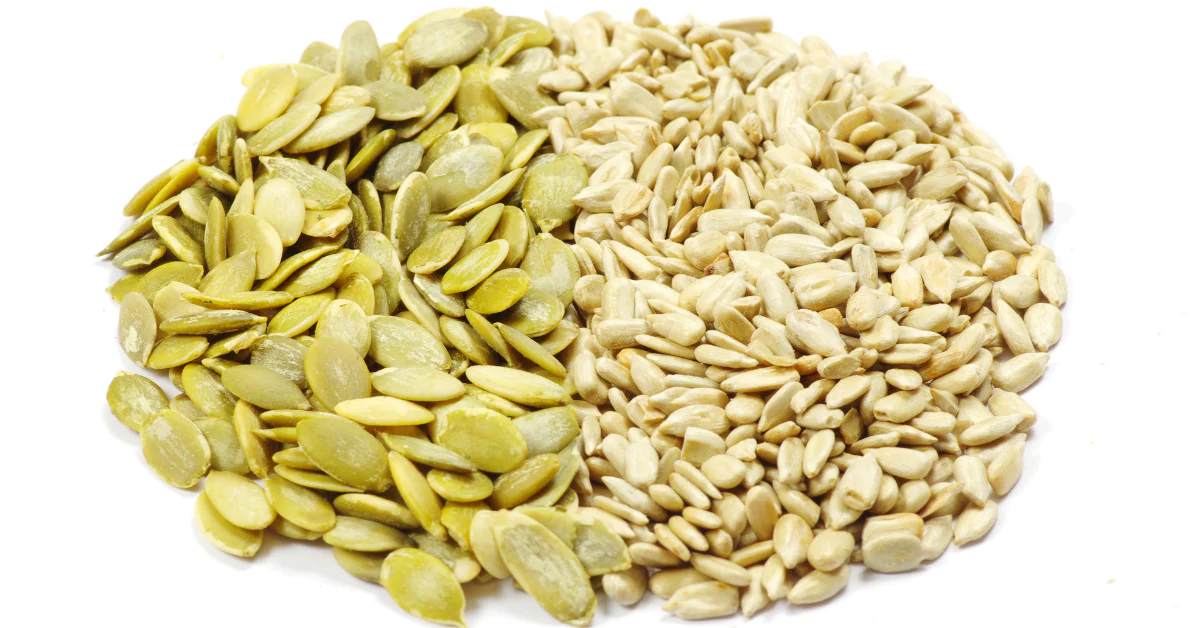
High quality black melon seed ( Cucurbita pepo var. nigra) represents a specialized agricultural product experiencing increased demand in the food processing, snack food, and health supplement industries. Positioned as a high-value oilseed and a functional food ingredient, its production requires precise agronomic practices and post-harvest processing techniques to achieve superior kernel quality and nutritional profile. This guide provides a comprehensive technical overview of black melon seed, encompassing its material science, manufacturing processes, performance characteristics, failure modes, and relevant industry standards. The core performance attributes center around oil content, protein concentration, fatty acid composition, and overall seed integrity, all of which impact its suitability for downstream applications like cold-pressed oil extraction, roasted seed snacks, and protein isolate production. A key industry pain point lies in maintaining consistent seed quality across varying growing conditions and mitigating risks of aflatoxin contamination and rancidity during storage.
Material Science & Manufacturing
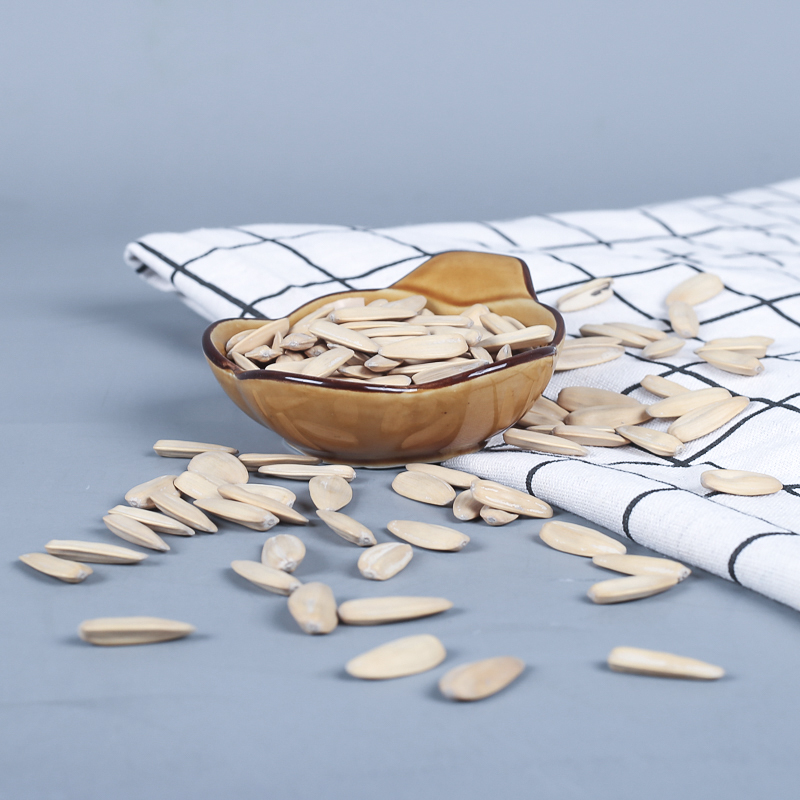
The black melon seed’s material properties are dictated by its biochemical composition. The kernel comprises approximately 45-55% oil, primarily linoleic acid (omega-6) and oleic acid (omega-9), with lesser amounts of palmitic and stearic acids. Protein content ranges from 25-35%, largely composed of globulins and albumins. Carbohydrates (approximately 10-15%) consist of starch and fiber. The seed coat, or hull, is rich in lignans and phenolic compounds, contributing to its dark color and antioxidant properties. Manufacturing begins with careful variety selection, focusing on cultivars with high kernel-to-seed ratio and desirable oil profiles. Cultivation requires well-drained soil and adequate sunlight. Post-harvest processing involves cleaning, drying (to approximately 8-10% moisture content to prevent fungal growth), dehulling (mechanical or enzymatic methods), kernel sorting (based on size and density), and quality control assessments. Key parameter control during drying is critical; exceeding 45°C can degrade oil quality and reduce germination rates. Dehulling efficiency significantly impacts the final product yield and requires precise adjustment of roller pressure and abrasive surface characteristics. Storage conditions – low temperature (below 15°C) and humidity (below 65%) – are paramount to prevent lipid oxidation and maintain kernel viability.
Performance & Engineering
Performance evaluation of black melon seed centers on several key metrics. Oil yield, determined through solvent extraction (typically hexane), is a critical economic factor, with target yields exceeding 40% by weight. Oil quality is assessed by measuring acid value, peroxide value, and iodine value, indicating the degree of oxidation and unsaturation. Fatty acid profiling, using gas chromatography, ensures the desired omega-6 to omega-3 ratio. Kernel hardness, measured using compression testing, influences dehulling efficiency and milling characteristics. Aflatoxin contamination, a significant safety concern, is rigorously monitored using ELISA assays, with permissible levels dictated by regulatory agencies. Environmental resistance during growth is related to the seed coat’s integrity and its ability to withstand mechanical damage and fungal invasion. Compliance requirements involve adherence to food safety standards (HACCP, GMP) and organic certification protocols (USDA Organic, EU Organic) where applicable. Engineering considerations in processing facilities include designing efficient dehulling systems to minimize kernel damage, optimizing drying processes to preserve oil quality, and implementing robust dust control measures to prevent fire hazards.
Technical Specifications
| Parameter | Unit | Specification | Test Method |
|---|---|---|---|
| Oil Content | % (Dry Weight Basis) | 48 – 55 | AOAC 985.05 |
| Protein Content | % (Dry Weight Basis) | 28 – 35 | Kjeldahl Method (AOAC 978.05) |
| Moisture Content | % | ≤ 8.0 | Oven Drying (AOAC 925.09) |
| Acid Value | mg KOH/g | ≤ 0.5 | Titration (AOCS Cd 3-63) |
| Peroxide Value | meq O2/kg | ≤ 5.0 | Titration (AOCS Cd 8-53) |
| Aflatoxin B1 | ppb | ≤ 20 | ELISA (Romer Labs FastDetect) |
Failure Mode & Maintenance
Failure modes in black melon seed quality can be broadly categorized as biological, chemical, and physical. Biological failures include fungal contamination (particularly Aspergillus species leading to aflatoxin production) triggered by inadequate drying or improper storage. Insect infestation can also lead to seed damage and reduced quality. Chemical failures primarily relate to lipid oxidation (rancidity) caused by exposure to oxygen, light, and elevated temperatures. This manifests as off-flavors and a decrease in nutritional value. Physical failures encompass kernel cracking during dehulling or processing, resulting in increased fines and reduced yield. Seed coat damage during harvesting and handling can also provide entry points for pathogens. Maintenance strategies involve implementing stringent quality control measures at each stage of production. This includes regular monitoring of moisture content, conducting aflatoxin testing, employing proper sanitation practices in processing facilities, and utilizing appropriate storage conditions (temperature and humidity control). Preventive maintenance of dehulling equipment is crucial to minimize kernel damage. Regular cleaning and disinfection of storage facilities prevent insect and fungal proliferation. Implementing a robust traceability system allows for rapid identification and recall of contaminated or substandard batches.
Industry FAQ
Q: What is the primary factor influencing oil quality degradation in black melon seeds during storage?
A: The primary factor is lipid oxidation, accelerated by exposure to oxygen, light, heat, and the presence of metal ions. Controlling storage temperature (below 15°C) and minimizing oxygen exposure (using airtight packaging) are crucial for preserving oil quality. Adding natural antioxidants like vitamin E can also help mitigate oxidation.
Q: How does the dehulling process impact the final oil yield and quality?
A: Inefficient dehulling can result in significant kernel damage, reducing oil yield due to fines and increased free fatty acids. Optimizing roller pressure, abrasive surface characteristics, and moisture content of the seeds are critical for maximizing dehulling efficiency while minimizing damage. Careful selection of dehulling machinery is essential.
Q: What are the regulatory limits for aflatoxin contamination in black melon seeds for export to the European Union?
A: The European Union sets a maximum permissible level of 2.5 ppb for total aflatoxins (B1, B2, G1, G2) in food products, including black melon seeds. Compliance requires regular testing using validated methods like ELISA and adherence to strict quality control procedures.
Q: What is the significance of the fatty acid profile, particularly the omega-6 to omega-3 ratio?
A: The fatty acid profile impacts the nutritional value and health benefits of the oil. While black melon seed oil is primarily omega-6, maintaining a balanced ratio is important. Varietal selection and optimized growing conditions can influence the fatty acid composition, potentially increasing the omega-3 content.
Q: How can we minimize the risk of fungal contamination during the drying process?
A: Rapid and uniform drying to a moisture content of 8-10% is paramount. Avoid direct sunlight exposure, which can degrade oil quality. Employ forced-air drying systems with temperature control (below 45°C) and ensure adequate ventilation to prevent moisture build-up and fungal growth. Regular monitoring of seed temperature during drying is recommended.
Conclusion
High quality black melon seed production demands meticulous attention to detail across the entire value chain, from cultivar selection and agronomic practices to post-harvest processing and storage. Maintaining consistent seed quality requires precise control of key parameters such as moisture content, temperature, and exposure to oxygen and light. The interplay between material science, engineering principles, and adherence to stringent food safety regulations is critical for delivering a premium product that meets the evolving demands of the food and health industries.
Future advancements in black melon seed processing may involve exploring novel dehulling technologies, optimizing oil extraction methods for enhanced yield and quality, and developing innovative packaging solutions to extend shelf life and preserve nutritional value. Continued research into varietal improvement, focusing on traits such as increased oil content, enhanced disease resistance, and improved fatty acid profiles, will further solidify the position of black melon seed as a high-value agricultural commodity.
