Introduction
High-quality baked sunflower seeds represent a significant segment within the broader snack food industry, positioned between raw kernel consumption and fully prepared confectionery items. Their production necessitates precise control over seed selection, thermal processing, flavoring application, and packaging to ensure optimal palatability, nutritional retention, and shelf-life stability. This technical guide details the scientific principles and engineering practices underpinning the creation of a superior baked sunflower seed product, addressing critical aspects from seed botany and lipid chemistry to process optimization and quality control. The core performance criteria – defined by consistent kernel expansion, desirable flavor profiles, minimal oil rancidity, and regulatory compliance – drive the selection of raw materials and processing parameters. Addressing consumer demand for healthier snacking options and stringent food safety regulations are paramount concerns for manufacturers.
Material Science & Manufacturing
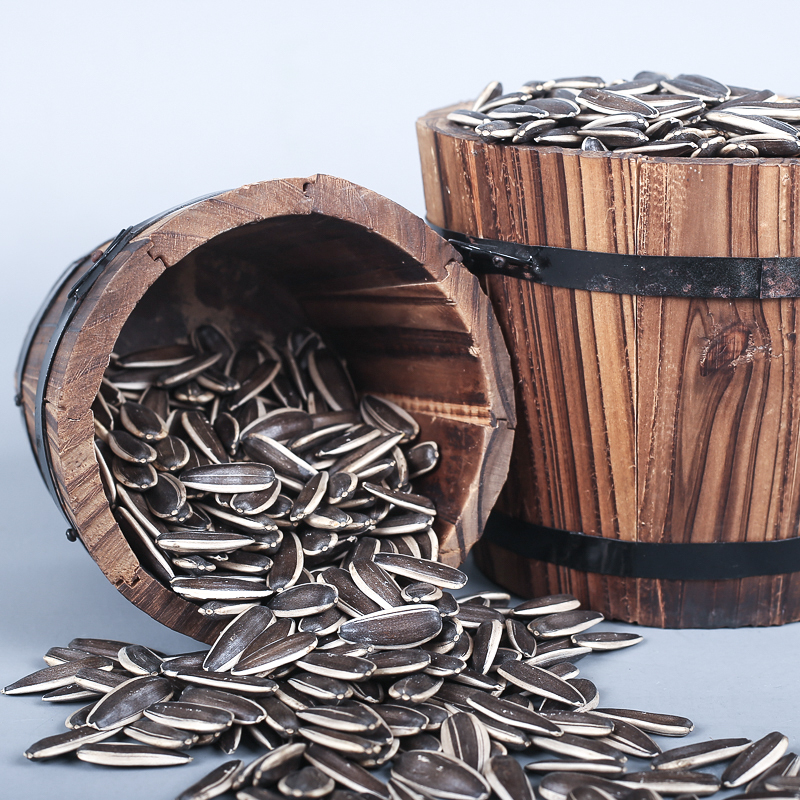
The foundation of high-quality baked sunflower seeds lies in the raw material: Helianthus annuus seeds. Seed varieties are categorized based on oil content (high, medium, low oleic) and hull characteristics (black stripe, white stripe). High oleic varieties are preferred due to increased oxidative stability of the resultant oil. Manufacturing begins with seed cleaning and grading, removing foreign matter and broken kernels. Moisture content is a critical parameter, typically adjusted to 8-10% for optimal baking performance. Baking is typically conducted in continuous or batch ovens utilizing hot air circulation at temperatures ranging from 140°C to 180°C. The primary physical change is a reduction in moisture content (to approximately 2-3%) and expansion of the kernel due to steam pressure generated within. Precise temperature control is essential to prevent scorching and maintain desirable flavor development. Flavoring is usually applied post-baking, using a tumbling process with a liquid or powdered seasoning blend. The seasoning composition critically influences consumer acceptance and includes salt, sweeteners, spices, and potentially hydrolyzed vegetable protein for enhanced adherence. Packaging utilizes multi-layer films – typically polypropylene (PP) or polyethylene terephthalate (PET) laminated with aluminum foil – to provide a barrier against oxygen, moisture, and light, preserving freshness and preventing lipid oxidation. Control of the water activity (aw) of the finished product, maintained below 0.6, is paramount in preventing microbial growth.
Performance & Engineering
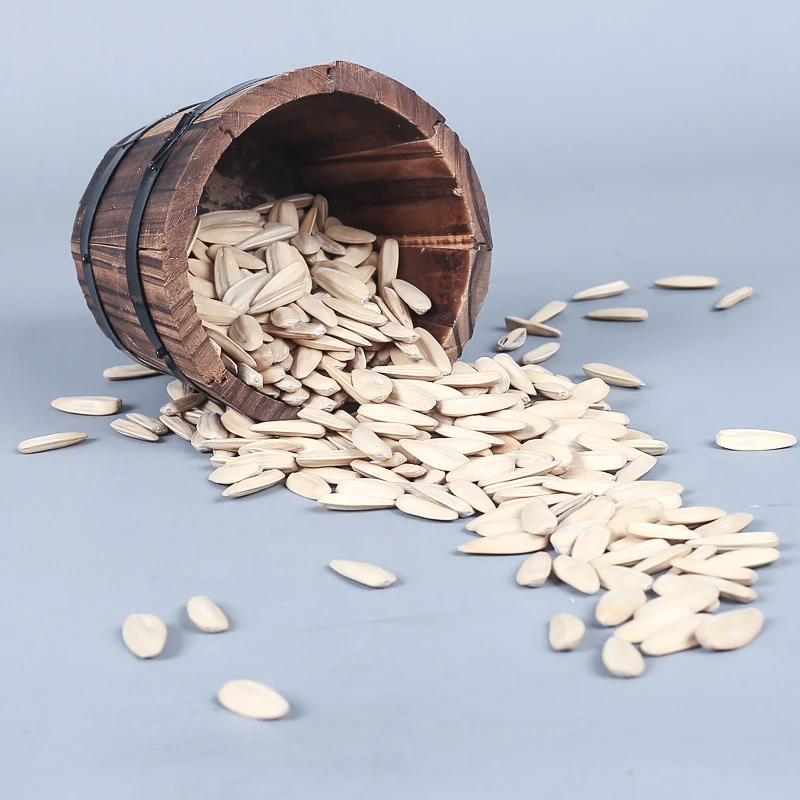
The baking process induces significant stress within the kernel due to internal pressure. Engineering considerations focus on achieving uniform kernel expansion without cracking or shattering. Finite element analysis (FEA) can be employed to model heat transfer and stress distribution within the kernel during baking, optimizing oven temperature profiles and baking duration. Flavor adhesion efficiency is also a key performance metric, dependent on surface roughness of the baked kernel and viscosity of the seasoning blend. Environmental resistance, specifically shelf-life stability, is heavily influenced by the packaging materials' barrier properties against oxygen transmission rate (OTR) and water vapor transmission rate (WVTR). Compliance requirements dictate adherence to food safety regulations (e.g., HACCP, GMP) and labeling standards regarding allergen declarations, nutritional information, and permissible food additives. Furthermore, analysis of acrylamide formation, a potential byproduct of high-temperature baking, is essential to ensure levels remain within regulatory limits. Force analysis during handling and packaging operations necessitates careful consideration of kernel fragility and potential for breakage.
Technical Specifications
| Parameter | Unit | Specification | Test Method |
|---|---|---|---|
| Moisture Content (Initial Seed) | % | 8-10 | Oven Drying (AOAC 925.10) |
| Moisture Content (Finished Product) | % | 2-3 | Oven Drying (AOAC 925.10) |
| Oil Content | % | 40-50 | Soxhlet Extraction (AOAC 920.39) |
| Kernel Expansion Ratio | - | 1.2-1.5 | Visual Assessment & Diameter Measurement |
| Peroxide Value (PV) | meq O2/kg | < 3.0 (Initial 6 months) | Titration (AOCS Cd 8-53) |
| Anisidine Value (AV) | - | < 10 (Initial 6 months) | Spectrophotometry (AOCS Cd 8-53) |
Failure Mode & Maintenance
Common failure modes in baked sunflower seeds include rancidity (oxidative degradation of lipids), kernel breakage during processing or handling, inconsistent expansion, and off-flavor development. Rancidity is accelerated by exposure to oxygen, light, and elevated temperatures. Preventing this requires optimal packaging (low OTR), antioxidant addition (e.g., Vitamin E, BHA/BHT – within regulatory limits), and controlled storage conditions. Kernel breakage stems from excessive baking temperatures, uneven heat distribution, or mechanical damage during handling. Regular oven calibration and gentle handling procedures are crucial. Inconsistent expansion indicates variations in seed moisture content or non-uniform heating. Precise moisture control and optimized oven temperature profiles are essential. Off-flavor development can arise from lipid oxidation, Maillard reaction products, or contamination. Maintenance protocols involve regular cleaning and sanitation of processing equipment to prevent microbial contamination. Periodic inspection of oven heating elements and temperature sensors ensures accurate temperature control. A robust quality control program, including sensory evaluation and chemical analysis (PV, AV), is essential for early detection of defects and timely corrective actions.
Industry FAQ
Q: What is the optimal oil content for maximizing shelf life in baked sunflower seeds?
A: High oleic sunflower seeds, with an oleic acid content exceeding 70%, are preferred. Oleic acid is more resistant to oxidation than linoleic acid, leading to significantly improved shelf life and reduced rancidity.
Q: How does the baking temperature affect acrylamide formation, and what mitigation strategies can be employed?
A: Higher baking temperatures generally correlate with increased acrylamide formation. Mitigation strategies include optimizing baking time and temperature to minimize browning, reducing reducing sugar content in the seed, and potentially utilizing asparaginase enzyme treatment.
Q: What packaging materials offer the best barrier properties for preventing oxidative degradation of the oils in baked sunflower seeds?
A: Multi-layer films consisting of polypropylene (PP) or polyethylene terephthalate (PET) laminated with aluminum foil provide the most effective barrier against oxygen and moisture. Vacuum or modified atmosphere packaging (MAP) with nitrogen flushing can further enhance shelf life.
Q: What is the acceptable range for water activity (aw) in baked sunflower seeds to ensure microbial stability?
A: Maintaining a water activity (aw) below 0.6 is crucial to inhibit microbial growth and prevent spoilage. This is typically achieved through efficient drying during the baking process.
Q: How do variations in seed size and shape impact the consistency of the baking process and final product quality?
A: Significant variations in seed size and shape can lead to uneven heating and inconsistent expansion. Grading and sorting seeds based on size prior to baking helps ensure uniformity and improves product quality.
Conclusion
The production of high-quality baked sunflower seeds is a complex process requiring meticulous control over material science, manufacturing parameters, and quality assurance protocols. Optimizing seed selection for high oleic content, precisely controlling baking temperature and duration to achieve desired kernel expansion and minimize acrylamide formation, and employing robust packaging materials to prevent oxidative degradation are essential for delivering a palatable, nutritious, and shelf-stable product.
Future advancements may focus on implementing real-time monitoring of moisture content and oil oxidation during processing, utilizing advanced sensors and data analytics to optimize process control. Furthermore, exploring innovative seasoning application techniques and developing sustainable packaging solutions will be critical for meeting evolving consumer demands and environmental regulations.
