Introduction
High quality bagged melon seeds represent a critical component within the agricultural processing and snack food industries. This technical guide details the science and engineering behind ensuring seed viability, flavor profile stability, and packaging integrity. Unlike raw agricultural produce, bagged melon seeds undergo a complex series of post-harvest processing steps designed to maximize shelf life and consumer appeal. This processing necessitates careful control of moisture content, protection from oxidative degradation, and maintenance of genetic purity. The seed’s inherent characteristics – including oil content, protein composition, and carbohydrate profile – dictate processing parameters and ultimately influence the final product quality. This document will explore these factors, detailing material science, manufacturing processes, performance characteristics, failure modes, and relevant industry standards, targeting professionals involved in seed production, processing, packaging, and quality control. The increasing demand for healthy snack options has intensified scrutiny on product quality, making thorough understanding of these factors paramount.
Material Science & Manufacturing
The primary material of concern is, naturally, the melon seed itself, typically derived from Cucumis melo varieties optimized for seed production. These seeds consist of an embryo, endosperm (rich in oils and proteins), and a seed coat (testa). The seed coat is composed primarily of cellulose, hemicellulose, and lignin, providing physical protection and influencing permeability to gases and moisture. Seed oil composition varies significantly between cultivars, typically comprising linoleic acid (omega-6) and oleic acid (omega-9) as major fatty acids. Protein content, ranging from 20-30% by weight, contributes to nutritional value and influences flavor development during roasting. Moisture content is a crucial parameter; raw seeds typically contain 8-12% moisture.
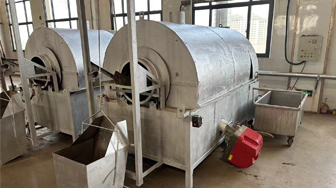
Manufacturing begins with harvesting and drying. Sun drying is traditional but offers limited control and potential for contamination. Controlled-temperature drying utilizing forced air is preferred, achieving moisture levels below 6% to inhibit microbial growth and enzymatic activity. Roasting is the next key step, developing the characteristic flavor and texture. This is typically conducted in rotary or fluid bed roasters, with temperature and time carefully controlled to avoid scorching or rancidity. The Maillard reaction, a non-enzymatic browning reaction between amino acids and reducing sugars, is central to flavor development. Post-roasting, seeds may undergo seasoning (salt, spices, etc.) and are then packaged. Packaging materials are critical, discussed further below. Quality control throughout involves regular assessment of moisture content (using Karl Fischer titration), oil content (Soxhlet extraction), and peroxide value (indicating oxidative rancidity). Particle size distribution following roasting is also monitored to ensure consistent texture.
Performance & Engineering
Performance characteristics are dictated by a combination of seed quality and packaging integrity. Key engineering considerations center around shelf life, moisture barrier properties, and mechanical strength of the packaging. Permeation rates of oxygen (OTR) and water vapor (WVTR) through the packaging material directly impact seed rancidity and texture changes. Higher OTR accelerates lipid oxidation, while high WVTR leads to moisture regain, potentially causing microbial growth or loss of crispness. Packaging materials commonly employed include multi-layer films incorporating polyethylene (PE), polypropylene (PP), and aluminum foil. Aluminum foil provides an excellent oxygen barrier but lacks puncture resistance. PE and PP offer flexibility and moisture resistance but have lower barrier properties. The tensile strength and elongation at break of the packaging material are crucial to prevent rupture during handling and transport.
Force analysis during packaging involves assessing the sealing strength of the bag closure. A weak seal can compromise barrier properties. Environmental resistance is another important factor. Exposure to UV radiation can degrade packaging materials, increasing permeability. Temperature fluctuations can also affect barrier properties and induce condensation within the bag. Compliance requirements include adherence to food safety regulations (e.g., FDA in the US, EFSA in Europe) regarding permissible levels of contaminants, packaging material composition, and labeling requirements. Accelerated shelf-life testing, involving storage at elevated temperatures and humidity, is commonly used to predict long-term stability.
Technical Specifications
| Parameter | Unit | Specification (Typical) | Test Method |
|---|---|---|---|
| Moisture Content | % w/w | ≤ 6.0 | Karl Fischer Titration (GB/T 5005-2008) |
| Oil Content | % w/w | 45-55 | Soxhlet Extraction (AOAC 920.39) |
| Peroxide Value | meq O2/kg | ≤ 3.0 | AOCS Cd 8-53 |
| Packaging OTR | cc/m2/day | ≤ 1.0 | ASTM D3985 |
| Packaging WVTR | g/m2/day | ≤ 3.0 | ASTM E96 |
| Packaging Tensile Strength | MPa | ≥ 20 | ASTM D882 |
Failure Mode & Maintenance
Common failure modes include rancidity (oxidative degradation of oils), softening of seed texture (moisture regain), and packaging failure (rupture or seal compromise). Rancidity is initiated by exposure to oxygen and accelerated by heat and light. Identification is typically through organoleptic assessment (off-flavor) and quantification of peroxide value. Softening occurs when seeds reabsorb moisture, losing their characteristic crispness. Packaging failures can result from puncture during handling, weak seals allowing ingress of oxygen and moisture, or degradation of the packaging material due to UV exposure.
Maintenance strategies focus on preventative measures. Proper storage conditions – cool, dry, and dark – are critical. Utilizing packaging materials with low OTR and WVTR is essential. Employing oxygen absorbers within the packaging can further extend shelf life. Regular quality control checks, including moisture content, oil quality, and packaging integrity assessments, are vital. For long-term storage, vacuum packaging or modified atmosphere packaging (MAP) using nitrogen flushing can significantly reduce oxidation. Addressing packaging defects promptly, such as repairing damaged seals, prevents widespread product spoilage. Traceability systems allowing identification of production lots are critical for effective recall management in the event of a quality issue.
Industry FAQ
Q: What is the optimal moisture content for long-term storage of roasted melon seeds?
A: The optimal moisture content for long-term storage is below 6.0% w/w. Higher moisture levels promote enzymatic activity, microbial growth, and textural changes. Maintaining this low moisture level requires careful control during the drying and roasting processes, and the use of effective moisture barrier packaging.
Q: How do different packaging materials affect the shelf life of bagged melon seeds?
A: Packaging materials with low oxygen transmission rates (OTR) and water vapor transmission rates (WVTR) significantly extend shelf life. Multi-layer films incorporating aluminum foil offer the best barrier properties but can be susceptible to puncture. Polyethylene and polypropylene offer good moisture resistance but require additional barrier layers to prevent oxidation.
Q: What are the key indicators of rancidity in melon seeds?
A: The primary indicators of rancidity are off-flavors (stale, cardboard-like) detectable through organoleptic assessment, and an elevated peroxide value determined through laboratory analysis (AOCS Cd 8-53). An increase in free fatty acids is another indicator, though less commonly measured.
Q: What is the role of roasting temperature and time in developing the desired flavor profile?
A: Roasting temperature and time significantly impact flavor development through the Maillard reaction. Higher temperatures and longer roasting times generally result in a more intense, darker flavor, but can also lead to scorching and undesirable off-flavors. Careful optimization of these parameters is crucial to achieve the desired flavor profile.
Q: What standards apply to packaging materials used for food contact, specifically for melon seeds?
A: Packaging materials must comply with food contact regulations established by governing bodies like the FDA (US), EFSA (Europe), and relevant national standards. These regulations specify permissible levels of migrants from packaging materials into the food product, ensuring consumer safety. Testing to demonstrate compliance with these regulations is mandatory.
Conclusion
Maintaining the quality of high quality bagged melon seeds requires a holistic approach encompassing careful control of raw material characteristics, precise manufacturing processes, and robust packaging solutions. The interplay between seed composition (oil content, protein profile, moisture level) and packaging barrier properties (OTR, WVTR, mechanical strength) dictates shelf life and consumer acceptability. Adherence to relevant industry standards and rigorous quality control procedures are essential for ensuring product safety and consistently delivering a premium snacking experience.
Future advancements may focus on novel packaging materials incorporating bio-based polymers with improved barrier properties, as well as the development of more precise roasting technologies to optimize flavor development while minimizing oxidative degradation. Further research into the genetic optimization of melon seed varieties for enhanced oil stability and improved flavor characteristics will also contribute to the continued improvement of this product category. The increasing consumer demand for healthy and convenient snacks necessitates a continued commitment to innovation and quality control throughout the entire supply chain.
