Introduction
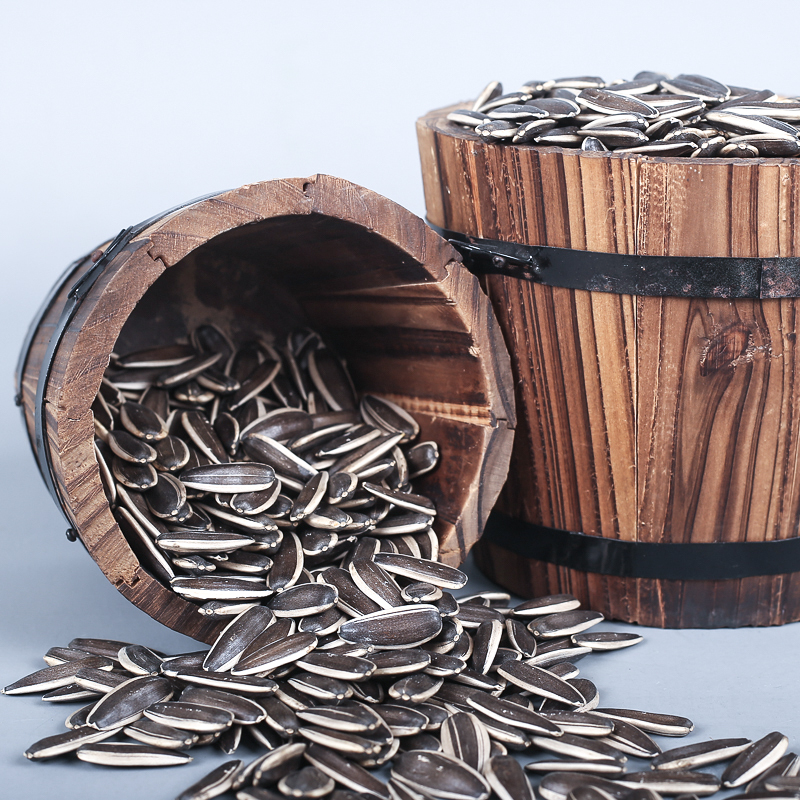
High quality 60-day sunflower seeds ( Helianthus annuus ) represent a critical component in the global agricultural supply chain, serving as a foundational input for edible oil production, confectionary markets, and increasingly, biofuel initiatives. These seeds, characterized by their rapid maturation cycle, offer advantages in regions with shorter growing seasons or those prioritizing multiple cropping cycles. Their technical position lies at the intersection of plant genetics, seed physiology, and agricultural engineering. Core performance metrics revolve around oil content (typically 40-50% by weight), protein content (18-25%), moisture content at harvest (below 10%), germination rate (above 85%), and freedom from seed-borne diseases. The industry currently faces increasing pressure to improve yield stability under climate change, enhance oil quality profiles (oleic vs. linoleic acid content), and develop varieties resistant to prevalent pests and diseases. The 60-day maturity specification presents unique challenges in optimizing seed development to achieve both high yield and superior oil quality within a compressed timeframe.
Material Science & Manufacturing
The foundational material science of these seeds stems from their complex biochemical composition. The seed coat, primarily composed of cellulose, hemicellulose, and lignin, provides physical protection and regulates water uptake. Endosperm tissues, rich in carbohydrates and proteins, serve as the primary energy reserve for germination. Oil bodies, encapsulated within protein matrices, are the source of valuable edible oils. Raw material selection is paramount, beginning with the genetic lineage of the parent plants. Hybridization techniques are employed to maximize heterosis (hybrid vigor), yielding improved traits. Manufacturing processes begin with controlled pollination and seed harvesting. Post-harvest processing involves cleaning (removal of chaff and debris), drying (to achieve optimal moisture content for storage), dehulling (optional, depending on end-use), and grading (based on size and quality). Crucial parameters during drying include temperature control (below 45°C to prevent protein denaturation) and airflow rate (to ensure uniform drying). Seed conditioning techniques, such as priming (controlled hydration), are sometimes employed to enhance germination rates. Seed treatment with fungicides and insecticides is standard practice to mitigate fungal infections (e.g., Fusarium, Sclerotinia) and insect damage (e.g., sunflower moth, weevil). Chemical compatibility of seed treatments with the seed coat and endosperm is rigorously tested to avoid phytotoxicity.
Performance & Engineering
Performance analysis centers around the seeds' agronomic traits and oil quality. Germination energy (percentage of seeds germinating within a specified timeframe) is a key indicator of seed viability. Plant height, head diameter, and seed weight are correlated with yield potential. Environmental resistance is critical; sunflower seeds must withstand varying temperatures, precipitation patterns, and soil conditions. Specifically, tolerance to drought stress, heat shock, and saline soils is increasingly important. Engineering considerations extend to storage stability. High moisture content during storage promotes fungal growth and lipid oxidation, reducing seed quality. Controlled atmosphere storage (low temperature and humidity) is employed to minimize degradation. Oil quality is assessed based on fatty acid composition (oleic/linoleic ratio), peroxide value (a measure of oxidation), and iodine value (an indicator of unsaturation). Compliance requirements are governed by national and international regulations regarding seed purity, germination standards, and pesticide residue levels. Force analysis, while not directly applicable to the seed itself, is relevant to the harvesting and processing equipment used, ensuring minimal seed damage during handling.
Technical Specifications
| Parameter | Unit | Specification | Test Method |
|---|---|---|---|
| Germination Rate | % | ≥ 85 | ISTA Procedure |
| Moisture Content | % | ≤ 10 | Oven Drying Method (ISTA) |
| Oil Content | % (dry weight basis) | 42 – 50 | Soxhlet Extraction (AOAC) |
| Protein Content | % (dry weight basis) | 18 – 25 | Kjeldahl Method (AOAC) |
| Seed Purity | % | ≥ 98 | Visual Inspection & Seed Analysis |
| 1000-Seed Weight | g | 5 – 7 | Weight Measurement |
Failure Mode & Maintenance
Failure modes in high quality 60-day sunflower seeds can be categorized into pre-harvest and post-harvest issues. Pre-harvest failures include susceptibility to fungal diseases (e.g., rust, downy mildew) leading to reduced seed set and oil content. Insect infestations, particularly by the sunflower moth, can directly damage the developing seeds. Environmental stresses, such as heat stress during flowering, can result in incomplete seed fill. Post-harvest failures encompass several mechanisms. Lipid oxidation, accelerated by exposure to oxygen, light, and heat, degrades oil quality, leading to rancidity and reduced nutritional value. Seed coat cracking during handling or storage allows for pathogen entry and moisture absorption. Insect damage in storage further exacerbates seed losses. Maintenance strategies involve optimal storage conditions (low temperature, humidity control, and airtight containers). Seed treatment with appropriate fungicides and insecticides is crucial. Regular monitoring for insect activity and fungal growth is essential. Implementing a first-in, first-out (FIFO) inventory management system minimizes storage duration. For large-scale storage facilities, controlled atmosphere storage (nitrogen flushing) can significantly extend shelf life. Preventative measures, such as thorough cleaning and drying of seeds before storage, are paramount. Fatigue cracking is not directly applicable to the seed, but may occur in processing equipment and must be regularly inspected.
Industry FAQ
Q: What is the significance of the oleic/linoleic acid ratio in sunflower oil, and how is it controlled during seed production?
A: The oleic/linoleic acid ratio impacts the oil's oxidative stability and health benefits. High-oleic sunflower oil, with a ratio greater than 70:30, is more resistant to oxidation and has a longer shelf life. It is also associated with improved cardiovascular health. This ratio is primarily controlled through genetic selection; breeding programs focus on developing varieties with the fatsa gene, which promotes oleic acid synthesis. Planting date and temperature during seed development can also influence the fatty acid profile.
Q: How do different drying methods (air drying vs. mechanical drying) affect seed quality?
A: Air drying is a slower, more natural process but carries a higher risk of fungal growth if humidity is high. Mechanical drying, using heated air, is faster and more controlled, but excessive temperatures can damage seed proteins and reduce germination rates. Optimal mechanical drying involves a temperature below 45°C and careful monitoring of moisture content to avoid over-drying or under-drying.
Q: What are the key considerations for selecting seed treatments to minimize pesticide resistance?
A: A multi-pronged approach is essential. Rotating seed treatments with different active ingredients prevents the development of resistance in target pests and pathogens. Combining seed treatments with different modes of action (e.g., systemic vs. contact fungicides) provides broader protection. Integrated pest management (IPM) strategies, including crop rotation and biological control, reduce reliance on chemical treatments.
Q: How does seed size and uniformity impact planting precision and emergence rates?
A: Larger, more uniform seed size facilitates precise metering during planting, resulting in consistent seed spacing and depth. This leads to more uniform emergence rates and improved crop establishment. Seed grading and sizing are therefore crucial steps in the manufacturing process.
Q: What are the implications of varying seed moisture content on long-term storage stability?
A: High seed moisture content (>10%) promotes enzymatic activity, fungal growth, and insect infestation, accelerating seed deterioration. Low moisture content (<8%) minimizes these risks, but excessively dry seeds can become brittle and susceptible to mechanical damage. Maintaining a moisture content between 8-10% is optimal for long-term storage, combined with low temperature and airtight containers.
Conclusion
High quality 60-day sunflower seeds represent a complex agricultural product whose performance is dictated by a confluence of factors spanning genetics, material science, and agronomic practices. Achieving optimal yield and oil quality within the compressed 60-day timeframe necessitates stringent quality control measures throughout the entire production chain, from breeding and seed processing to storage and handling. The continued success of this crop relies on innovative breeding programs aimed at enhancing environmental resilience, improving oil profiles, and mitigating pest and disease pressures.
Looking forward, advancements in seed coating technologies, precision agriculture techniques, and data-driven optimization of storage conditions will be critical for maintaining seed viability and maximizing economic returns. Addressing the challenges posed by climate change, including increasing temperatures and drought stress, will require continued investment in research and development of drought-tolerant and heat-resistant sunflower varieties. The industry must also prioritize sustainable practices to minimize environmental impact and ensure the long-term viability of sunflower production.
