Introduction
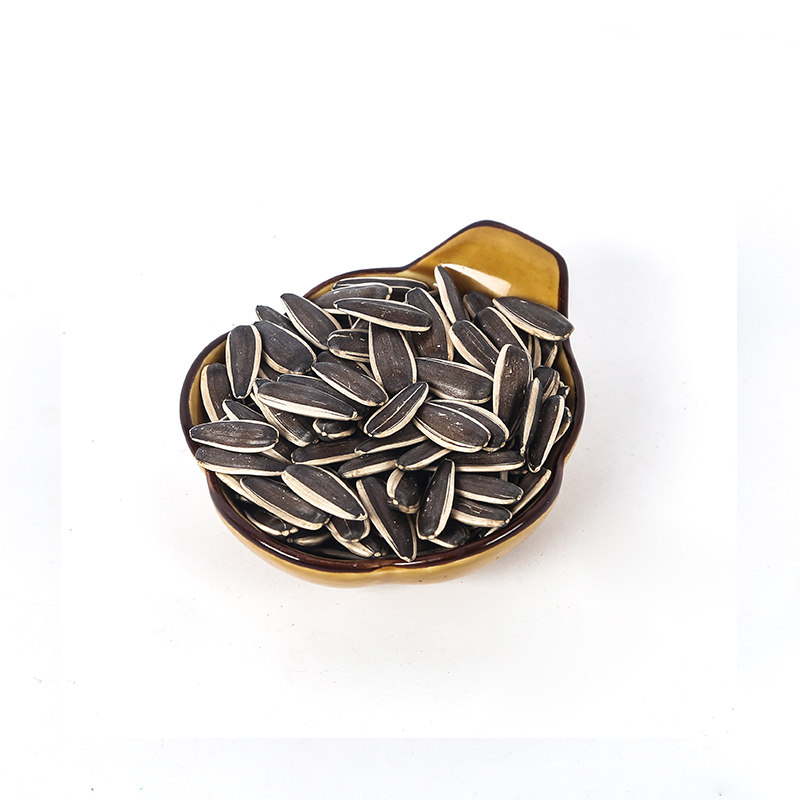
High quality 50kg/bags sunflower seeds represent a crucial component within the global agricultural supply chain, serving as a primary source of vegetable oil, food for both human and animal consumption, and increasingly, as a feedstock for biofuel production. This guide provides a comprehensive technical overview, covering aspects from seed genetics and agricultural practices to post-harvest handling, quality control, and potential failure modes. Sunflower seeds, botanically Helianthus annuus, are categorized based on oil content (high oleic, linoleic, mid-oleic) and hull characteristics (black oil, confectionery). The inherent stability of sunflower oil, coupled with its nutritional profile (vitamin E, linoleic acid), drives consistent demand. A significant industry pain point revolves around maintaining consistent seed quality across varying geographical origins and seasonal harvests, and ensuring minimal levels of mycotoxins and contaminants. The 50kg bag format is a standard unit for bulk transport and storage, demanding robust packaging and adherence to international shipping regulations.
Material Science & Manufacturing
Sunflower seed composition is dominated by oil (35-58%), protein (18-25%), and carbohydrates (10-20%), with the remaining portion consisting of fiber and ash. The seed hull, or pericarp, comprises roughly 25-30% of the seed weight and is largely cellulose and lignin. The kernel, containing the oil, is primarily composed of lipids, specifically triglycerides. Manufacturing begins with seed selection based on desired oil profile and genetic traits for disease resistance and yield. Agricultural practices – soil composition, irrigation, fertilization, pest control – profoundly impact seed quality. Harvesting timing is critical; premature harvest results in lower oil content, while delayed harvest increases susceptibility to mold and insect damage. Post-harvest drying is paramount, reducing moisture content to 8-9% to inhibit fungal growth and enzymatic degradation. Drying utilizes forced-air systems, with precise temperature control (typically below 45°C) to prevent protein denaturation and lipid oxidation. Cleaning processes remove debris, weed seeds, and broken kernels using a combination of screens, air separators, and gravity tables. The 50kg bags are commonly constructed from polypropylene woven fabric, often with a polyethylene inner liner to provide a moisture barrier. Bag sealing is crucial to prevent insect infestation and moisture ingress; heat sealing is the preferred method. Parameter control during drying (temperature, airflow, duration) and bag filling/sealing (weight accuracy, seal integrity) are critical to maintain product quality.
Performance & Engineering
The performance of sunflower seeds, from a logistical and storage perspective, is dictated by physical properties such as bulk density, angle of repose, and friability. Bulk density (approximately 600-700 kg/m³) influences storage capacity and transport efficiency. Angle of repose (typically 30-40 degrees) affects flowability during unloading and processing. Friability, or resistance to breakage, impacts seed integrity during handling. Environmental resistance is paramount. High humidity promotes fungal growth (e.g., Aspergillus, Penicillium), leading to aflatoxin and ochratoxin contamination. Insect infestation (e.g., Sitophilus oryzae, rice weevil) results in seed damage and reduced oil quality. Therefore, controlled atmosphere storage (low oxygen, low temperature) is often employed. Packaging performance is governed by tensile strength, puncture resistance, and barrier properties (OTR – Oxygen Transmission Rate; WVTR – Water Vapor Transmission Rate). The bag must withstand the rigors of stacking, transport, and handling without tearing or compromising the seed’s protective barrier. Compliance requirements include adherence to food safety regulations (e.g., HACCP, GMP) and phytosanitary standards to prevent the spread of plant diseases. The 50kg bag size is optimized for palletization, maximizing space utilization in shipping containers. Force analysis during handling dictates the need for reinforced bag handles and robust pallet construction.
Technical Specifications
| Parameter | Specification | Test Method | Tolerance |
|---|---|---|---|
| Oil Content (%) | ≥ 40% (High Oleic) / ≥ 60% (Linoleic) | NMR (Nuclear Magnetic Resonance) | ± 1.5% |
| Moisture Content (%) | ≤ 9.0% | Oven Drying Method (AOAC) | ± 0.5% |
| Free Fatty Acid (FFA) as Oleic Acid (%) | ≤ 1.0% | Titration (AOCS Cd 3-63) | ± 0.1% |
| Peroxide Value (meq O2/kg) | ≤ 5.0 | Titration (AOCS Cd 8-53) | ± 0.5 |
| Aflatoxin B1 (ppb) | ≤ 2 ppb | HPLC (High-Performance Liquid Chromatography) | 0 ppb |
| Broken Kernels (%) | ≤ 2.0% | Visual Inspection/Sieving | ± 0.5% |
Failure Mode & Maintenance
Sunflower seed deterioration can manifest in several ways. Lipid oxidation, triggered by exposure to oxygen, light, and heat, results in rancidity and reduced oil quality. Enzymatic degradation, particularly lipolysis and proteolysis, contributes to off-flavors and reduced nutritional value. Fungal contamination, as previously mentioned, poses a significant health risk due to mycotoxin production. Insect infestation causes direct seed damage and introduces contaminants. Physical damage during handling (cracking, abrasion) reduces seed quality and increases susceptibility to microbial attack. Packaging failure (tears, seal defects) accelerates deterioration. Maintenance strategies include proper storage conditions (cool, dry, dark), regular monitoring for insect activity and fungal growth, and the use of appropriate packaging materials. Implementing a First-In, First-Out (FIFO) inventory management system minimizes storage duration. Regular quality control testing (oil content, moisture content, FFA, peroxide value, aflatoxin levels) identifies potential problems early. Preventative measures such as grain protectants (approved by regulatory bodies) can be used to mitigate insect infestation, but must be applied according to label instructions to avoid residue concerns. Failure analysis of damaged bags should focus on identifying the root cause (handling practices, material defects, storage conditions) to prevent recurrence.
Industry FAQ
Q: What is the typical shelf life of sunflower seeds stored in 50kg bags under optimal conditions?
A: Under optimal conditions – cool (below 15°C), dry (below 60% relative humidity), dark, and well-ventilated – high quality sunflower seeds can maintain their quality for up to 18-24 months. However, regular quality control testing is recommended to monitor oil oxidation and mycotoxin levels, even under optimal conditions.
Q: How does the oil profile (high oleic vs. linoleic) affect the storage stability of the seeds?
A: High oleic sunflower seeds exhibit significantly greater storage stability compared to linoleic seeds due to the lower degree of unsaturation in oleic acid. Linoleic acid is more susceptible to oxidation, leading to rancidity and a shorter shelf life. High oleic seeds are therefore preferred for applications requiring extended storage or high-temperature processing.
Q: What are the critical parameters to monitor during the drying process to minimize quality degradation?
A: The most critical parameters are temperature (maintain below 45°C to prevent protein denaturation and lipid oxidation), airflow (ensure uniform drying), and duration (avoid over-drying, which can lead to seed cracking). Moisture content should be monitored continuously until it reaches 8-9%. Regular sampling and analysis are essential.
Q: What are the key considerations when selecting a woven polypropylene bag for sunflower seed storage?
A: Key considerations include tensile strength (to withstand handling and stacking), puncture resistance (to prevent damage during transport), barrier properties (OTR and WVTR to minimize oxygen and moisture ingress), UV stabilization (to prevent degradation from sunlight), and the quality of the inner liner (polyethylene is commonly used for moisture barrier). The bag should also be food-grade compliant.
Q: What regulatory standards govern the acceptable levels of aflatoxins in sunflower seeds for human consumption?
A: Regulatory limits for aflatoxins vary by country. The European Union (EU) has a maximum level of 2.0 ppb for total aflatoxins in sunflower seeds intended for direct human consumption. The US Food and Drug Administration (FDA) also has established limits, and importers must comply with both origin and destination country regulations.
Conclusion
Sunflower seeds, packaged in 50kg bags, represent a complex agricultural commodity requiring meticulous attention to detail throughout the entire supply chain. Maintaining optimal seed quality demands careful control of agricultural practices, post-harvest handling, storage conditions, and packaging materials. Understanding the material science underpinning seed composition and deterioration mechanisms is crucial for implementing effective quality control measures.
The ongoing challenge for the industry lies in balancing cost-effectiveness with the need for superior quality and safety. Investment in advanced drying technologies, improved packaging solutions, and robust quality assurance programs will be essential to meet growing consumer demand and comply with increasingly stringent regulatory standards. Furthermore, research into novel storage techniques, such as modified atmosphere packaging and controlled atmosphere storage, will continue to play a vital role in extending shelf life and minimizing post-harvest losses.
