Introduction
High quality 50 lb sunflower seeds represent a critical input across multiple industries, extending from human food production and animal feed to industrial oil extraction. This technical guide provides an in-depth analysis of the factors contributing to seed quality, encompassing the botanical origins, cultivation practices, post-harvest processing, and key performance indicators. Sunflower seeds ( Helianthus annuus ) are valued for their high oil content, protein concentration, and essential fatty acid profile. The economic value is directly tied to parameters like oil yield, protein content, hull percentage, and the presence of contaminants. This document addresses the inherent challenges in maintaining consistent quality and explores methods for mitigating degradation from farm to final processing. The guide will delve into the critical role of genetic selection, agricultural practices and storage conditions in dictating seed viability and ultimate performance in downstream applications, focusing on compliance with industry standards for food safety and nutritional value.
Material Science & Manufacturing
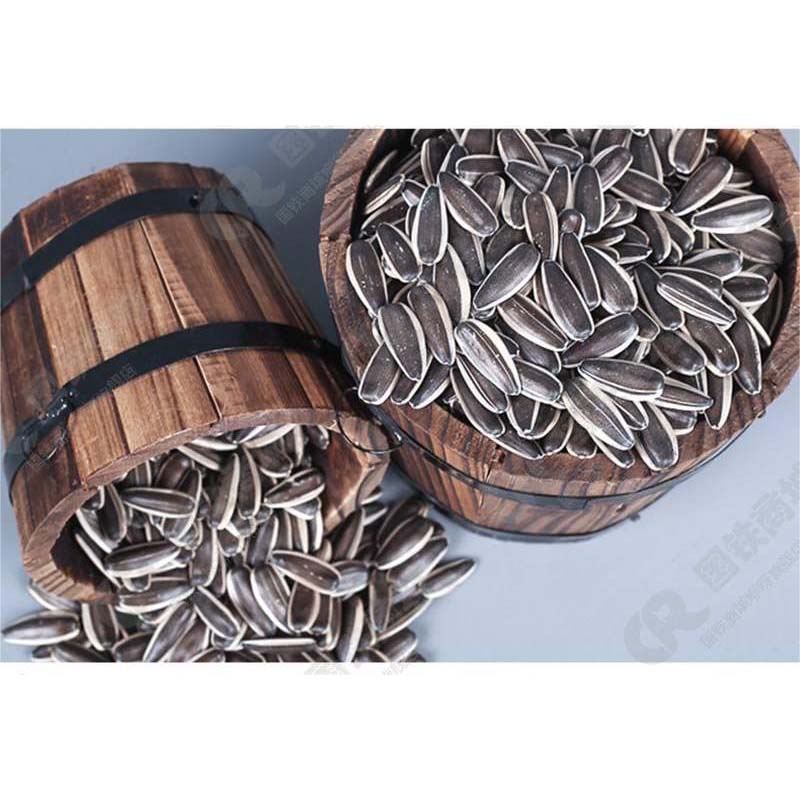
Sunflower seeds are a complex biological matrix, primarily composed of oil (35-55%), protein (18-25%), carbohydrates (15-20%), and fiber (5-10%), with minor components including vitamins, minerals, and phenolic compounds. The oil is largely comprised of triglycerides, with linoleic acid (omega-6) and oleic acid (omega-9) being the dominant fatty acids. The seed coat, or hull, consists primarily of cellulose, hemicellulose, and lignin, providing a protective barrier. Manufacturing begins with carefully controlled hybridization to optimize oil content and protein profile. Cultivation practices, including soil composition, irrigation, and fertilization, significantly impact seed composition. Post-harvest processing includes drying to a moisture content of approximately 9-10% to prevent fungal growth and mycotoxin production. Mechanical dehulling is a crucial step, and the efficiency of this process impacts the final product purity. Seed cleaning and grading utilize sieves and aspiration systems to remove foreign material and broken seeds. Precise control over drying temperatures (typically below 45°C) is critical to preserve oil quality and prevent protein denaturation. The genetic composition of the seed directly affects the fatty acid profile and the presence of phytosterols, impacting the seed’s suitability for various applications. The seed’s physical structure dictates milling efficiency and oil extraction rates.
Performance & Engineering
The performance of sunflower seeds is evaluated based on a variety of parameters critical to their end-use. For human consumption, key indicators include oil yield, protein digestibility, and the absence of harmful contaminants like aflatoxins. In animal feed, energy density and amino acid balance are paramount. For oil extraction, oil content and oil quality (measured by iodine value, peroxide value, and acid value) are crucial. The mechanical strength of the seed, assessed through shelling force measurements, impacts the efficiency of dehulling operations. Environmental resistance, specifically to moisture and temperature fluctuations during storage, dictates seed viability and germination rates. Compliance requirements from regulatory bodies like the FDA (Food and Drug Administration) and EFSA (European Food Safety Authority) mandate adherence to strict limits for heavy metals, pesticides, and mycotoxins. The physical properties of the seeds, including size, shape, and density, affect their flowability and handling characteristics in processing equipment. The impact of seed size variation on oil extraction efficiency must also be considered, alongside the structural integrity of the seed coat to withstand processing stresses.
Technical Specifications
| Parameter | Unit | Specification (High Quality Seeds) | Testing Method |
|---|---|---|---|
| Oil Content (Dry Basis) | % | 48-58 | Soxhlet Extraction (AOCS Official Method) |
| Protein Content (Dry Basis) | % | 18-25 | Kjeldahl Method (AOCS Official Method) |
| Moisture Content | % | ≤ 9.0 | Oven Drying Method (AACC Method) |
| Hull Percentage | % | ≤ 20 | Visual Inspection & Weight Separation |
| Broken Seeds & Foreign Matter | % | ≤ 2.0 | Sieve Analysis & Visual Inspection |
| Aflatoxin B1 | ppb | ≤ 20 | HPLC with Fluorescence Detection (AOAC Method) |
Failure Mode & Maintenance
Sunflower seeds are susceptible to several failure modes impacting their quality and usability. Lipid oxidation is a primary degradation pathway, leading to rancidity and reduced oil quality, accelerated by exposure to oxygen, light, and heat. Moisture absorption can trigger fungal growth and mycotoxin production (e.g., aflatoxins), rendering the seeds unfit for consumption. Physical damage, such as cracking or chipping during handling, increases surface area exposure, accelerating oxidation and moisture uptake. Insect infestation can lead to seed loss and contamination. Protein denaturation due to excessive heat during drying or storage reduces nutritional value. Maintenance of optimal storage conditions is critical. This involves maintaining low temperature (≤15°C), low humidity (≤65% RH), and protecting seeds from light and insect access. Proper ventilation is essential to prevent moisture buildup. Regular monitoring of seed moisture content and aflatoxin levels is crucial. Implementing a first-in, first-out (FIFO) inventory management system minimizes storage duration. Appropriate packaging materials with barrier properties against oxygen and moisture are also vital for long-term preservation. Periodic cleaning and disinfection of storage facilities help prevent insect and fungal infestations.
Industry FAQ
Q: What is the significance of the oil content percentage and how does it impact pricing?
A: Oil content is the primary determinant of the economic value of sunflower seeds, particularly for oil extraction purposes. Higher oil content translates directly into increased oil yield per unit of seed, lowering production costs for oil processors and therefore commanding a premium price. The difference between a seed with 45% oil content versus 55% can significantly impact profitability for the end-user.
Q: What are the critical limits for aflatoxin contamination and what testing procedures are commonly employed?
A: Regulatory bodies like the FDA and EFSA have established strict limits for aflatoxin contamination, typically around 20 ppb for human consumption. Aflatoxins are potent carcinogens, and exceeding these limits renders the seeds unacceptable for food use. The most common testing procedure is High-Performance Liquid Chromatography (HPLC) with fluorescence detection, offering high sensitivity and accuracy.
Q: How does seed moisture content affect storage life and what is the ideal range for long-term preservation?
A: Seed moisture content is arguably the most critical factor influencing storage life. High moisture content promotes fungal growth, insect activity, and enzymatic reactions that degrade oil quality. The ideal range for long-term preservation is ≤9.0%, although even lower moisture levels (8-8.5%) are preferable for extended storage periods.
Q: What role does the hull percentage play in determining the overall quality and usability of the seeds?
A: Hull percentage is an important indicator of seed quality. Higher hull percentages reduce the proportion of valuable kernel material (oil and protein), lowering the overall yield. Dehulling efficiency is also impacted by hull strength and integrity. Seeds with lower hull percentages are generally preferred, although a small amount of hull is sometimes desirable to provide physical protection during handling.
Q: What quality control measures should be implemented during the harvesting and post-harvest processing stages to minimize contamination?
A: Stringent quality control measures are essential throughout the supply chain. These include thorough field inspections to identify and remove diseased plants, proper cleaning and sanitation of harvesting equipment, rapid drying of seeds after harvest to prevent fungal growth, effective seed cleaning and grading to remove foreign material, and controlled storage conditions with regular monitoring of temperature, humidity, and pest activity.
Conclusion
The quality of 50 lb sunflower seeds is a multifaceted attribute, dictated by a complex interplay of genetic factors, agricultural practices, post-harvest processing techniques, and storage conditions. Maintaining consistently high quality requires meticulous attention to detail at every stage of the supply chain, from seed selection and cultivation to drying, cleaning, grading, and storage. Understanding the fundamental material science principles governing seed composition and degradation pathways is paramount for implementing effective quality control measures and minimizing loss.
Future advancements in sunflower seed technology will likely focus on developing cultivars with enhanced oil content, improved protein profiles, and increased resistance to pests and diseases. Optimizing post-harvest processing techniques, such as controlled drying and dehulling methods, will further enhance seed quality and reduce waste. Continued research into the mechanisms of lipid oxidation and mycotoxin formation will lead to the development of innovative preservation strategies. Adherence to international standards and rigorous quality control protocols will remain critical for ensuring the safety and nutritional value of sunflower seeds for human and animal consumption.
