Introduction
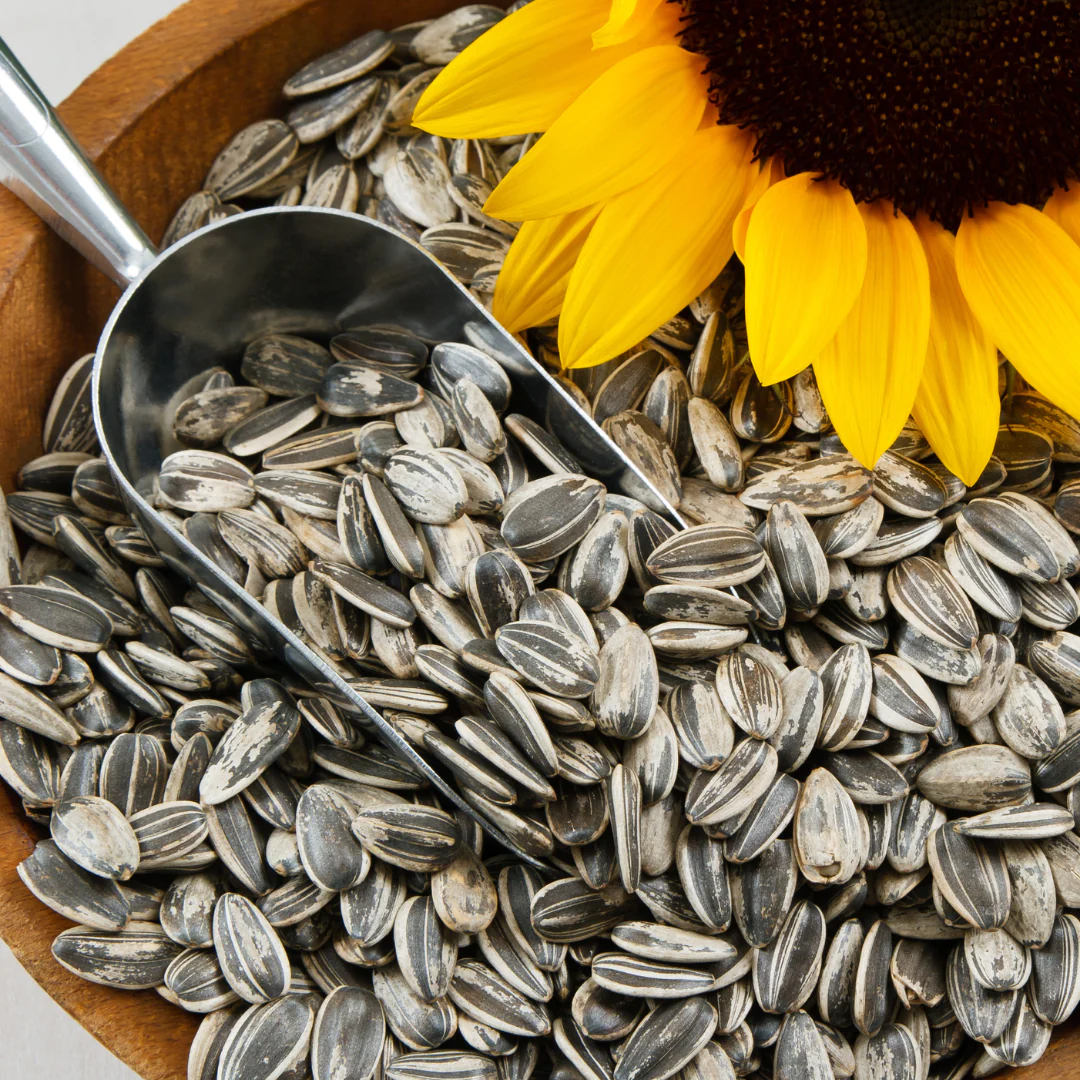
A five-gallon bucket of sunflower seeds represents a critical component within the agricultural supply chain, serving as a primary delivery method for both animal feed and human consumption. This guide provides a comprehensive technical overview of these buckets, focusing on material properties, manufacturing processes, performance characteristics, failure modes, and relevant industry standards. The product’s position is intermediary – bridging the gap between large-scale agricultural processing and end-user application. Core performance criteria revolve around containment integrity, resistance to environmental factors during storage and transport, and adherence to food safety regulations. Maintaining seed viability during storage is paramount, directly linked to the bucket’s barrier properties and temperature stability. The economic impact of seed loss due to compromised packaging is substantial, driving demand for high-quality, durable containers.
Material Science & Manufacturing
The predominant material used in high-quality five-gallon sunflower seed buckets is high-density polyethylene (HDPE). HDPE is chosen for its excellent chemical resistance, impact strength, and relatively low cost. Raw material grade must be food-grade compliant (FDA approved) and exhibit a melt flow index (MFI) suitable for blow molding, typically between 8-12 g/10min. The manufacturing process relies heavily on blow molding. HDPE resin is heated to its molten state and extruded into a parison – a hollow tube of plastic. This parison is then clamped within a mold, and compressed air is injected, expanding the plastic to conform to the mold’s shape. Critical parameters during blow molding include melt temperature (180-200°C), air pressure (20-30 bar), and cooling time (30-60 seconds). Variations in these parameters significantly affect wall thickness distribution, impacting the bucket's structural integrity. Colorants, typically UV stabilizers and pigments for branding, are added during the resin mixing stage. Bucket handles and lids are often manufactured separately via injection molding and subsequently attached to the main body. The lid material is typically polypropylene (PP), selected for its hingeability and tight seal capabilities. Quality control involves rigorous dimensional checks, burst pressure testing, and visual inspection for defects.
Performance & Engineering
The structural performance of a five-gallon sunflower seed bucket is primarily governed by its ability to withstand hydrostatic pressure from the seed mass and external stacking loads during transportation. Finite Element Analysis (FEA) is employed during the design phase to optimize wall thickness and ribbing patterns for maximizing load-bearing capacity. The bucket must demonstrate resistance to deformation and cracking under typical filling weights (approximately 15-18 kg) and stacking heights (up to 5-6 units). Environmental resistance is crucial. Sunflower seeds contain oils that can potentially degrade certain plastics over extended storage periods. HDPE’s chemical inertness provides a strong defense, but long-term exposure to oils and moisture can still lead to stress cracking. UV exposure causes embrittlement and discoloration. UV stabilizers are therefore essential additives. Compliance requirements include adherence to UN packaging standards for solid substances (specifically, performance testing according to drop tests, stacking tests, and leakproofness tests). Lid sealing performance is also critical – a hermetic seal prevents moisture ingress, maintaining seed viability and preventing pest infestation. Thermal performance – specifically, the bucket’s ability to maintain a stable temperature environment – is less critical but contributes to seed longevity.
Technical Specifications
| Parameter | Specification | Test Method | Units |
|---|---|---|---|
| Volume | 37.85 | Volumetric Measurement | Liters |
| Material | High-Density Polyethylene (HDPE) | FTIR Spectroscopy | - |
| Wall Thickness (Average) | 2.5 – 3.0 | Micrometer | mm |
| Burst Pressure | ≥ 60 | ASTM D1922 | psi |
| Impact Strength (Izod Notched) | ≥ 800 | ASTM D256 | J/m |
| UV Resistance (Delta E after 1000 hours) | ≤ 3.0 | ASTM G154 | - |
Failure Mode & Maintenance
Common failure modes for five-gallon sunflower seed buckets include: 1) Stress Cracking: Initiated by exposure to oils and moisture, leading to crack propagation, especially around stress concentrators (handle attachments, lid seams). 2) Impact Failure: Resulting from dropping or forceful impact, causing cracking or complete rupture. 3) UV Degradation: Prolonged exposure to sunlight causes embrittlement and loss of impact strength. 4) Lid Failure: Hinge breakage or seal degradation, leading to contamination and seed loss. 5) Bottom Failure: Concentrated load over time can lead to deformation and eventual cracking of the bucket base. Maintenance is primarily preventative. Avoid dropping or subjecting the buckets to excessive impact. Store buckets in a cool, dry, and shaded area to minimize UV exposure and oil-induced stress cracking. Regularly inspect buckets for cracks or damage, especially around handles and the base. Clean buckets thoroughly after emptying to remove residual seed oils. Avoid using abrasive cleaners that could compromise the HDPE structure. Damaged buckets should be removed from service immediately to prevent seed contamination or loss.
Industry FAQ
Q: What is the acceptable level of volatile organic compounds (VOCs) emitted from the HDPE material?
A: VOC emissions from HDPE used in food-grade packaging are tightly regulated. The acceptable level is typically below 500 µg/g, as measured by gas chromatography-mass spectrometry (GC-MS) according to ISO 14854. Reputable manufacturers will provide VOC emission testing reports to demonstrate compliance.
Q: How does the bucket’s design influence its stacking stability?
A: Stacking stability is significantly influenced by the bucket’s rim design and base geometry. A reinforced rim with a slight inward taper provides interlocking with the bucket below. Ribbed base structures distribute the load and prevent deformation under stack weight. FEA modeling is used to optimize these features for maximum stability.
Q: What is the impact of humidity on the bucket's long-term performance?
A: High humidity accelerates the diffusion of moisture into the HDPE matrix, potentially leading to stress cracking and reduced impact strength. Utilizing buckets with a tight-fitting lid minimizes moisture ingress. Adding desiccants inside the bucket during storage can further mitigate this issue, especially in high-humidity environments.
Q: Can the buckets be recycled after use, and what is the typical recycling process?
A: HDPE buckets are generally recyclable (recycling code #2). The typical recycling process involves grinding the buckets into flakes, washing them to remove contaminants, melting the flakes, and extruding them into pellets. These pellets can then be used to manufacture new HDPE products, promoting a circular economy.
Q: What testing is performed to ensure the bucket is food-grade compliant?
A: Food-grade compliance involves multiple tests. Migration testing (according to FDA 177.1520 or EU 10/2011) assesses the transfer of substances from the plastic to the sunflower seeds. Heavy metal content is evaluated using ICP-MS. Overall, these tests ensure the bucket does not contaminate the seeds and maintains food safety standards.
Conclusion
The high-quality five-gallon bucket for sunflower seeds represents a sophisticated application of materials science and manufacturing engineering. Its functionality extends beyond simple containment, impacting seed viability, logistical efficiency, and adherence to stringent regulatory requirements. The selection of HDPE, coupled with optimized blow molding techniques and meticulous quality control, results in a durable and reliable packaging solution.
Future development trends will likely focus on utilizing bio-based HDPE derived from renewable resources, reducing the carbon footprint of bucket manufacturing. Furthermore, incorporating smart packaging technologies – such as embedded sensors for temperature and humidity monitoring – could enhance seed quality control throughout the supply chain. Continued refinement of bucket design through advanced FEA modeling will drive further improvements in structural performance and stacking stability.
