Introduction
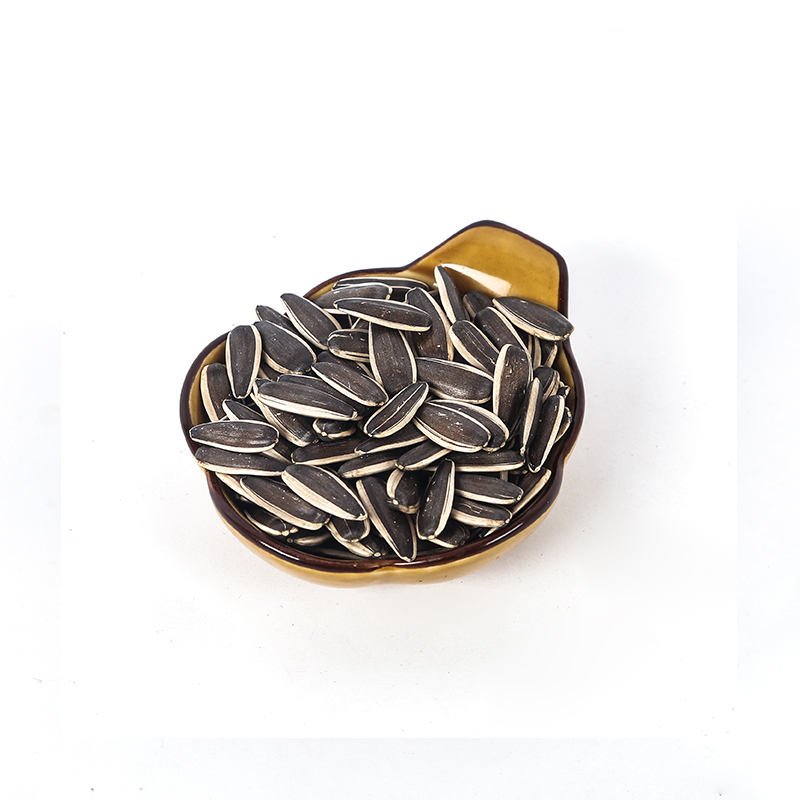
High quality 40 lbs sunflower seed represents a critical component within the agricultural supply chain, serving as a foundational input for both human consumption and industrial applications. These seeds, Helianthus annuus, are not merely a commodity; their quality directly impacts oil yield, protein content, and overall nutritional value. Positioned between agricultural production and processing facilities (oil extraction, confectionary production, birdseed manufacturing), their characteristics dictate the efficiency and profitability of downstream operations. This technical guide provides a comprehensive overview of sunflower seed quality, covering material science, manufacturing processes, performance characteristics, failure modes, and relevant industry standards, addressing core pain points related to yield consistency, contamination, and storage stability.
Material Science & Manufacturing
Sunflower seeds are composed primarily of oil (42-58%), protein (18-26%), carbohydrates (15-25%), and fiber (5-10%), alongside essential minerals and vitamins. The oil’s fatty acid profile consists largely of linoleic acid (an omega-6 fatty acid) and oleic acid (an omega-9 fatty acid); the ratio of these acids impacts oil stability and applications. Seed shell composition, consisting largely of cellulose and lignin, influences hulling efficiency and seed quality. Manufacturing begins with cultivar selection – hybrids bred for specific oil content, disease resistance, and maturity periods. Harvesting methods (combine harvesting) determine initial seed quality; optimal moisture content (around 10-12%) is crucial to prevent fungal growth and mycotoxin contamination. Post-harvest processing includes cleaning (removing debris, stems, leaves), drying, dehulling (mechanical or chemical), sizing, and grading. Critical parameters in dehulling include impact velocity, abrasion resistance of the hull, and moisture content of the seed. Chemical treatments, while less common for high-quality seeds intended for direct consumption, may involve seed coatings for fungicide protection during storage. Precise control of temperature and airflow during drying is essential to avoid cracking and lipid oxidation. The presence of foreign material (weed seeds, soil particles) is rigorously controlled via screening and air separation.
Performance & Engineering
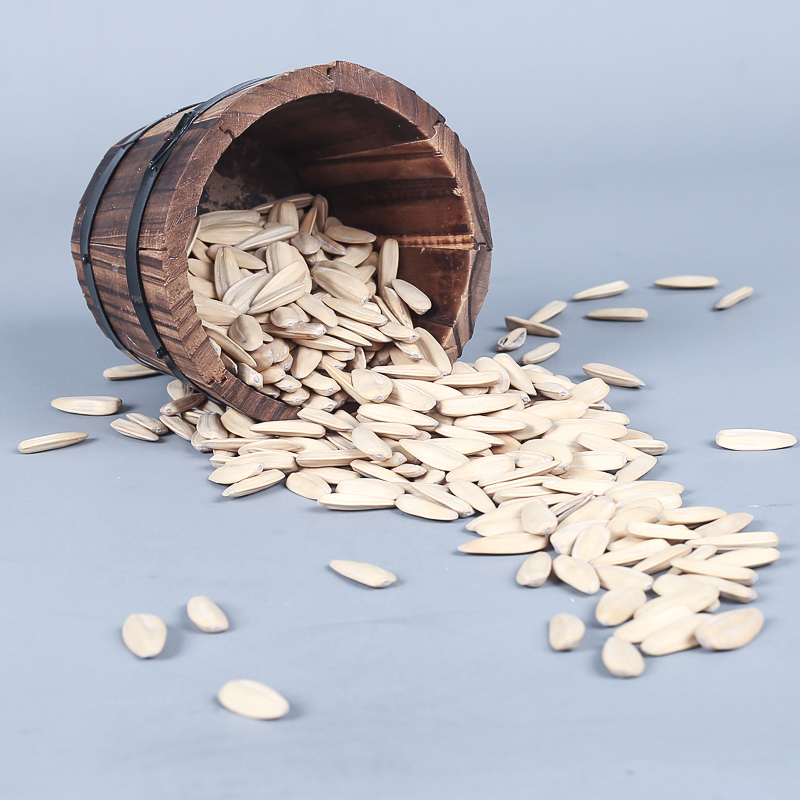
Sunflower seed performance is defined by several key engineering characteristics. Tensile strength of the seed coat influences its resistance to cracking during handling and processing. Impact resistance is vital for survival during combine harvesting and subsequent handling. The oil extraction efficiency, typically assessed via solvent extraction (hexane), is directly related to oil body size and cellular structure. Storage stability is governed by moisture content, temperature, oxygen exposure, and the presence of antioxidants. Lipid oxidation, resulting in rancidity, is a major concern; controlled atmosphere storage (nitrogen flushing) and the addition of vitamin E can mitigate this. Hulling efficiency is critical for confectionary applications; incomplete hulling reduces visual appeal and impacts product quality. Seed flowability—affected by seed size, shape, and surface texture—is important for accurate metering and processing. Compliance requirements vary by destination market, encompassing regulations related to mycotoxin levels (aflatoxins, ochratoxins), pesticide residues, and genetically modified organisms (GMOs). Force analysis during dehulling focuses on optimizing impact forces to maximize kernel recovery while minimizing damage.
Technical Specifications
| Parameter | Unit | Specification (High Quality) | Test Method |
|---|---|---|---|
| Oil Content (Dry Basis) | % | ≥ 48% | AOAC 986.33 (Solvent Extraction) |
| Protein Content (Dry Basis) | % | ≥ 20% | Kjeldahl Method (AOAC 978.05) |
| Moisture Content | % | ≤ 10% | Oven Drying (AACC Method 44-16) |
| Foreign Matter (Maximum) | % | ≤ 1% | Visual Inspection/Screening |
| Damaged Kernels (Maximum) | % | ≤ 2% | Visual Inspection |
| Aflatoxin B1 (Maximum) | ppb | ≤ 20 ppb | HPLC (High-Performance Liquid Chromatography) |
Failure Mode & Maintenance
Sunflower seeds are susceptible to several failure modes. Lipid Oxidation: Exposure to oxygen, light, and elevated temperatures causes rancidity, reducing oil quality and nutritional value. Mitigation involves antioxidant addition, nitrogen flushing, and cool, dark storage. Mycotoxin Contamination: Fungal growth during harvest or storage produces mycotoxins (aflatoxins, ochratoxins), posing health risks. Proper drying, storage sanitation, and preventative fungicide application are crucial. Mechanical Damage: Cracking during harvest, dehulling, or handling reduces seed quality and increases susceptibility to insect infestation. Optimized harvesting parameters and gentle handling procedures are essential. Insect Infestation: Storage pests can damage seeds and contaminate them with waste products. Hermetic storage and controlled atmosphere techniques (low oxygen) are effective. Hulling Damage: Aggressive dehulling can fragment kernels, leading to increased fines and reduced oil yield. Precise control of dehulling parameters (impact force, abrasion) is necessary. Maintenance involves regular inspection of storage facilities for leaks and pest activity, monitoring temperature and humidity, and implementing strict sanitation protocols. Periodic laboratory analysis for mycotoxins and oil quality is recommended.
Industry FAQ
Q: What is the significance of the fatty acid profile in sunflower seeds, and how does it relate to oil stability?
A: The fatty acid profile dictates oil stability. High linoleic acid content (common in older cultivars) is prone to oxidation, leading to rancidity. Modern breeding focuses on increasing oleic acid content, creating "high-oleic" sunflower oil which is significantly more stable due to the presence of a single unsaturated bond, making it less susceptible to oxidation during processing and storage.
Q: How do different harvesting methods affect the final quality of sunflower seeds?
A: Combine harvesting is the most common method, but its parameters greatly affect quality. Harvesting at improper moisture levels (too high or too low) can lead to fungal growth or seed cracking. Excessive combine speed or improper settings can increase mechanical damage. Proper combine adjustment and timely harvesting are critical for maximizing seed quality.
Q: What are the key considerations for long-term storage of 40 lbs sunflower seeds?
A: Long-term storage requires maintaining low moisture content (≤10%), low temperature (below 15°C / 59°F), and minimal oxygen exposure. Hermetic storage (airtight containers) and controlled atmosphere storage (nitrogen flushing) are highly effective. Regular monitoring for pests and mycotoxin levels is also crucial.
Q: How are mycotoxin levels regulated, and what are the implications of exceeding allowable limits?
A: Mycotoxin levels (specifically aflatoxins and ochratoxins) are regulated by governing bodies like the FDA (in the US) and EFSA (in Europe). Allowable limits vary by region and intended use. Exceeding these limits renders the seeds unfit for human or animal consumption and can result in significant financial penalties and reputational damage.
Q: What role does dehulling play in determining the end-use application of sunflower seeds?
A: Dehulling significantly impacts the final application. Hulled seeds are primarily used for confectionary purposes (direct consumption) and birdseed. Unhulled seeds are often used for oil extraction. The efficiency and completeness of dehulling are critical for visual appeal and product quality in confectionary applications.
Conclusion
In conclusion, the production of high-quality 40 lbs sunflower seed is a complex process requiring meticulous attention to detail from cultivar selection through storage. Understanding the material science of the seed, optimizing manufacturing parameters, and proactively addressing potential failure modes are critical for ensuring consistent quality and maximizing yield. The stringent technical specifications outlined in this guide provide a framework for evaluating and maintaining seed quality.
Future advancements will likely focus on breeding for improved oil stability, disease resistance, and dehulling efficiency. Improved storage technologies, such as optimized controlled atmosphere systems and advanced mycotoxin detection methods, will also play a crucial role in safeguarding seed quality. Adherence to international standards and best practices is paramount for ensuring compliance and building trust with consumers and downstream processors.
