Introduction
High quality 40 lb sunflower seeds represent a critical input for a diverse range of industries, encompassing human food consumption, livestock feed, and oil extraction. These seeds, Helianthus annuus, are evaluated based on kernel content, oil percentage, moisture content, and overall seed health. Their position in the agricultural supply chain is as a primary processed product, bridging the gap between agricultural production and end-use manufacturing. Core performance metrics center around nutritional value (protein, fat, fiber), germination rates (for seed stock), and oil yield. The industry faces increasing demands for consistent quality, traceability, and sustainable sourcing practices, driving a need for precise analytical methods and optimized post-harvest handling procedures. This guide provides an in-depth exploration of the material science, manufacturing considerations, performance characteristics, failure modes, and relevant standards governing high quality 40 lb sunflower seeds.
Material Science & Manufacturing
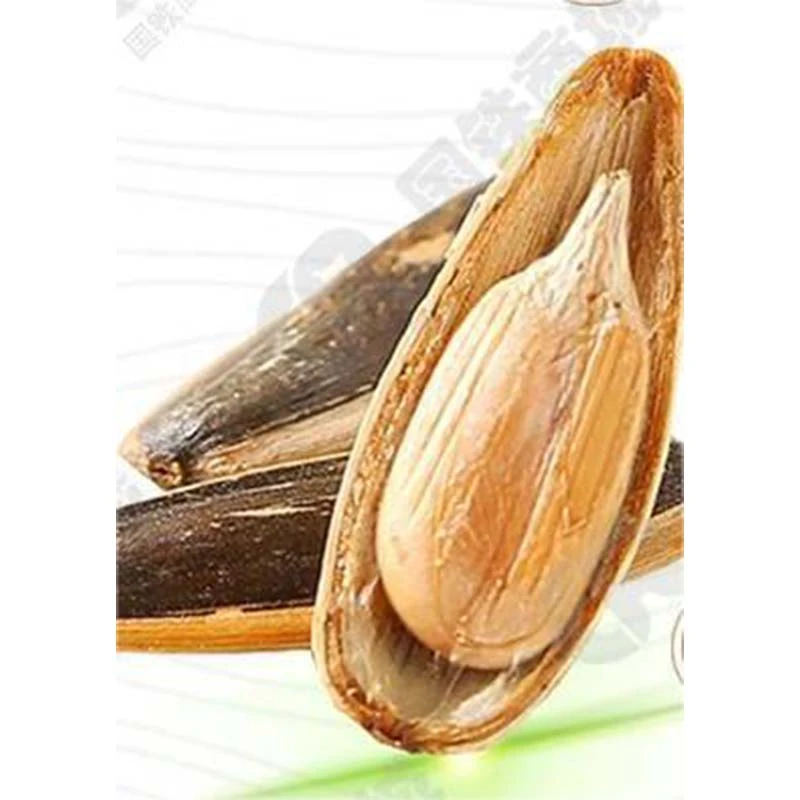
Sunflower seeds are biologically complex structures composed primarily of three key components: the hull (pericarp), the kernel (embryo), and the oil bodies within the kernel. The hull, approximately 30-50% of the seed weight, is composed of cellulose, hemicellulose, and lignin, providing structural integrity. Kernel composition typically consists of 40-60% oil, 20-30% protein, and 10-20% carbohydrate. The oil is predominantly comprised of linoleic acid (omega-6 fatty acid) and oleic acid (omega-9 fatty acid), with varying levels of palmitic and stearic acids depending on the sunflower variety. Manufacturing begins with harvesting, followed by drying to achieve a target moisture content of 8-10% to prevent fungal growth and lipid oxidation. Seed cleaning and grading are crucial steps, utilizing screens and air separation to remove foreign matter and categorize seeds based on size and density. Oil extraction typically employs mechanical pressing (expelling) or solvent extraction (hexane) methods. Key parameters controlled during processing include temperature (to minimize oil degradation), pressure (in expelling), and solvent purity (in solvent extraction). The hulling process, separating the hull from the kernel, is critical for maximizing oil yield and kernel quality. Gentle hulling techniques are preferred to avoid kernel damage, which can lead to increased free fatty acid content. Careful monitoring of these parameters directly impacts the final product’s oil quality, protein content, and overall nutritional profile. Improper drying can lead to aflatoxin contamination, a significant safety concern.
Performance & Engineering
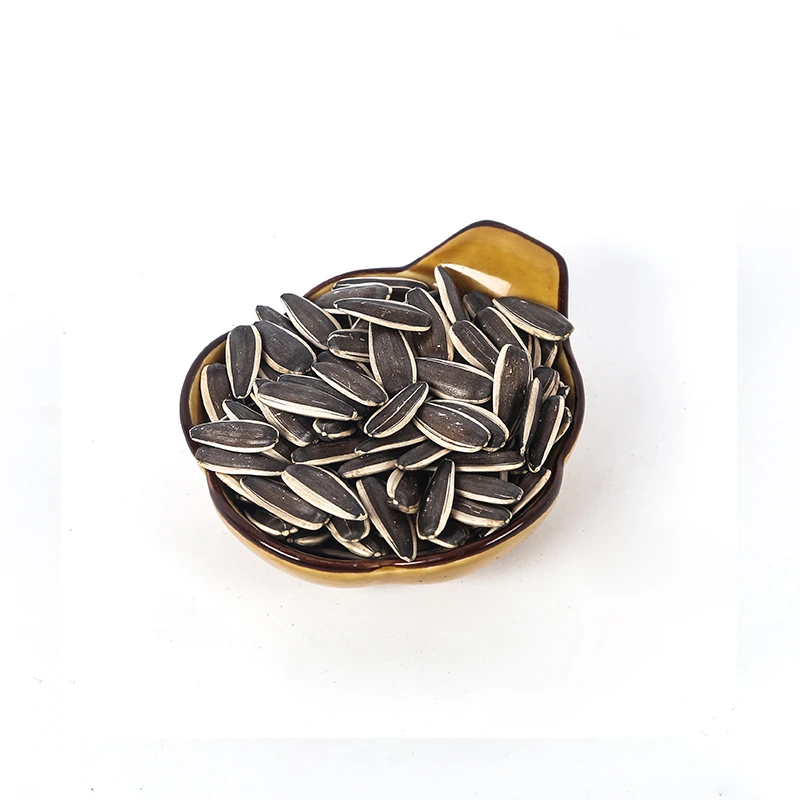
The performance of 40 lb sunflower seeds is dictated by several engineering considerations related to storage, transportation, and processing efficiency. Seed density and flowability influence the design of storage silos and conveying systems. Shear stress analysis is critical during transportation to minimize kernel breakage. The seeds' angle of repose determines the stability of seed piles during storage. Environmental resistance is primarily focused on maintaining seed viability and preventing lipid oxidation. Exposure to oxygen, light, and elevated temperatures accelerates rancidity, reducing oil quality and nutritional value. Packaging materials with low oxygen permeability and UV protection are essential. Compliance requirements are stringent, governed by regulatory bodies concerning pesticide residues, heavy metal content, and mycotoxin levels (aflatoxins). Functional implementation varies by end-use. For human consumption, seed size and shell integrity are important for ease of shelling and consumption. For oil extraction, oil content and kernel purity are paramount. For livestock feed, digestibility and protein content are key considerations. Furthermore, the compressive strength of the seed affects its resistance to damage during handling and processing. Optimized storage conditions (temperature, humidity, aeration) are vital for maintaining seed quality over extended periods.
Technical Specifications
| Parameter | Unit | Grade A | Grade B |
|---|---|---|---|
| Kernel Content | % Weight | ≥ 60 | 55-59 |
| Oil Content (Kernel Basis) | % Weight | ≥ 40 | 35-39 |
| Moisture Content | % Weight | ≤ 10 | 10.1-12 |
| Foreign Matter | % Weight | ≤ 1 | 1.1-2 |
| Damaged Kernels | % Weight | ≤ 2 | 2.1-5 |
| Aflatoxin Level | ppb | ≤ 20 | 21-30 |
Failure Mode & Maintenance
Sunflower seeds are susceptible to several failure modes throughout the supply chain. Lipid oxidation is a primary degradation pathway, leading to rancidity and reduced oil quality. This is accelerated by exposure to oxygen, light, and heat. Kernel cracking due to mechanical stress during handling and processing reduces seed value. Fungal contamination, particularly by Aspergillus species, leads to aflatoxin production, rendering the seeds unsafe for consumption. Moisture absorption during storage promotes fungal growth and lipid hydrolysis. Insect infestation can cause significant seed damage and contamination. Maintenance strategies focus on preventative measures: proper drying and storage conditions (temperature control, humidity control, aeration), use of airtight packaging, pest control programs, and regular monitoring for aflatoxin levels. Seed treatment with fungicides can mitigate fungal growth, but must comply with regulatory limits. Implementing a First-In, First-Out (FIFO) inventory management system minimizes storage duration and reduces the risk of degradation. Damage assessment should be conducted regularly during transportation and storage to identify and isolate compromised batches. Corrective maintenance involves removing contaminated or damaged seeds, adjusting storage parameters, and enhancing pest control measures. Predictive maintenance includes analyzing historical data to identify trends and anticipate potential failure points.
Industry FAQ
Q: What is the significance of the acid value in sunflower oil extracted from these seeds?
A: The acid value indicates the level of free fatty acids present in the oil. A high acid value signifies hydrolysis of triglycerides, often caused by improper storage or processing. It impacts oil quality, flavor stability, and suitability for various applications. Lower acid values (typically < 0.5 mg KOH/g oil) are desirable, indicating minimal degradation.
Q: How do different sunflower varieties impact the oil profile and stability?
A: Sunflower varieties differ in their fatty acid composition. High-oleic varieties, containing predominantly oleic acid, exhibit greater oxidative stability than linoleic varieties. Linolenic acid content also affects stability; lower levels are preferred. Variety selection is crucial for tailoring the oil profile to specific applications and ensuring long-term storage stability.
Q: What are the key considerations for long-term storage of these seeds to minimize aflatoxin contamination?
A: Maintaining low moisture content (≤ 8-10%), controlling storage temperature (below 25°C), ensuring adequate aeration, and protecting seeds from insect infestation are critical. Regular monitoring for aflatoxin levels is essential, and contaminated batches must be removed. Proper cleaning and sanitation of storage facilities are also vital.
Q: What methods are used to determine the germination rate of these seeds for seed stock purposes?
A: Germination rate is assessed by conducting standardized germination tests under controlled laboratory conditions. A representative sample of seeds is placed on moist filter paper or in germination trays, incubated at a specific temperature, and the percentage of seeds exhibiting radicle emergence is recorded after a defined period (typically 5-7 days).
Q: How does the hulling process affect the overall quality and oil yield of the sunflower seeds?
A: Gentle hulling minimizes kernel damage, preserving oil quality and maximizing yield. Aggressive hulling can cause kernel breakage, increasing free fatty acid content and reducing oil quality. Efficient hulling removes the hull, which contains minimal oil, increasing the overall oil concentration of the resulting kernel material.
Conclusion
High quality 40 lb sunflower seeds are a multifaceted commodity whose performance and value are intrinsically linked to their material composition, careful manufacturing practices, and stringent quality control. Understanding the interplay between seed characteristics, processing parameters, and environmental factors is essential for maximizing oil yield, maintaining nutritional integrity, and ensuring product safety. The industry's focus on sustainability and traceability demands a holistic approach, from seed selection to storage and distribution.
Future advancements will likely center around developing sunflower varieties with improved oil profiles, enhanced disease resistance, and greater resilience to climate change. Optimizing post-harvest handling techniques and implementing advanced monitoring systems will further minimize losses and maintain quality. Continued research into aflatoxin mitigation strategies and sustainable packaging solutions will be crucial for meeting evolving consumer demands and regulatory requirements.
