Introduction
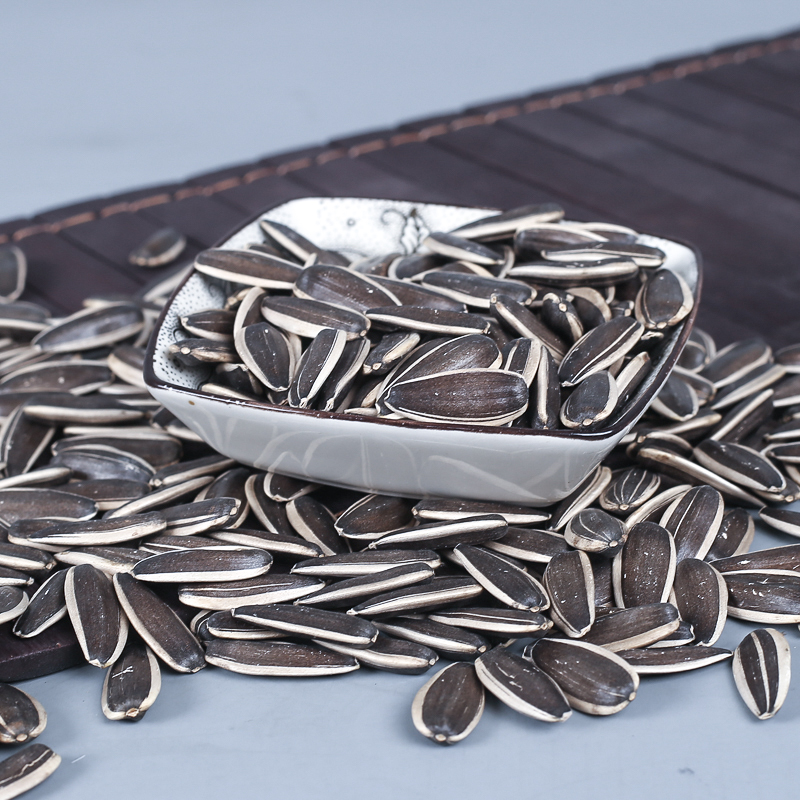
High quality 25kg/bag sunflower seeds represent a critical component within the global agricultural commodity chain, serving as both a direct food source and a key input for oil production. This technical guide provides a comprehensive analysis of sunflower seed quality parameters, encompassing aspects of agronomy, post-harvest processing, storage, and industry standards. Sunflower seeds (Helianthus annuus) are categorized based on oil content (high-oleic, mid-oleic, linoleic), hull percentage, and seed size, influencing their suitability for various applications. The industry faces challenges regarding mycotoxin contamination, seed viability preservation, and maintaining consistent quality across varying geographic origins and agricultural practices. This guide aims to equip industry professionals – procurement managers, food processors, and quality control specialists – with the detailed technical knowledge required for informed decision-making and optimization of the sunflower seed supply chain. Core performance indicators revolve around oil yield, protein content, fatty acid profile, and the absence of deleterious substances like heavy metals and pesticides.
Material Science & Manufacturing
Sunflower seeds are a biological matrix comprised primarily of carbohydrate (approximately 20-30%), protein (20-25%), oil (40-55%), and fiber (around 10%). The seed coat, or hull, consists of cellulose and lignin, providing a protective barrier. Oil composition varies based on cultivar, with linoleic acid being dominant in traditional varieties, and oleic acid in high-oleic types. Manufacturing begins with agricultural practices – soil composition, irrigation, fertilization, and pest control – significantly impacting seed quality. Post-harvest processing involves drying to reduce moisture content (typically to 8-10%) to prevent fungal growth. Drying methods include natural sun drying, forced-air drying, and controlled-temperature drying. Each method impacts seed quality; excessive heat during drying can denature proteins and reduce oil quality. Hulling, a mechanical process, removes the outer shell to increase oil yield and improve product appearance. Dehulling efficiency is crucial; incomplete hulling results in lower oil content and increased fiber. Seed grading, based on size and density, is performed to standardize quality. Packaging in 25kg bags, often constructed from polypropylene woven fabric, requires consideration of moisture vapor transmission rate (MVTR) to prevent seed spoilage. Bag material strength and resistance to puncture are also vital. Parameter control during drying, hulling, and grading is essential; moisture content monitoring using near-infrared spectroscopy, hulling efficiency assessments, and seed size distribution analysis are common quality control measures.
Performance & Engineering
The performance of sunflower seeds is critically linked to their mechanical properties and resistance to environmental factors during storage and transport. Seed hardness, measured using a penetrometer, influences dehulling efficiency and resistance to cracking during handling. Seed density, determined through water displacement, correlates with oil content. Storage stability is governed by moisture content, temperature, and oxygen levels. High moisture content promotes fungal growth and mycotoxin production (aflatoxins, ochratoxin A). Engineering controls involve maintaining optimal storage conditions – low temperature (below 15°C) and reduced oxygen levels (using modified atmosphere packaging). Transport stresses, including compression and vibration, can cause seed damage and oil leakage. Package design must account for these stresses, utilizing cushioning materials and robust bag construction. Compliance requirements include adherence to maximum residue limits (MRLs) for pesticides and heavy metals as defined by regulatory bodies (e.g., FDA, EFSA). Fatty acid profile analysis, performed using gas chromatography, is crucial for verifying seed quality and meeting industry standards for oil production. Force analysis during hulling and grading operations ensures efficient processing and minimizes seed damage. Understanding the relationship between seed structure and oil extraction efficiency is paramount for maximizing yield.
Technical Specifications
| Parameter | Unit | Specification (High Oleic) | Test Method |
|---|---|---|---|
| Oil Content | % (dry weight basis) | ≥ 48% | Soxhlet Extraction (AOCS Official Method) |
| Moisture Content | % | ≤ 9% | Oven Drying (AOCS Official Method) |
| Free Fatty Acids (FFA) | % (oleic acid basis) | ≤ 1.0% | Titration (AOCS Official Method) |
| Hull Content | % | ≤ 10% | Visual Sorting & Weight Determination |
| Broken/Damaged Seeds | % | ≤ 2% | Visual Inspection |
| Aflatoxin B1 | ppb | ≤ 20 ppb | ELISA (Enzyme-Linked Immunosorbent Assay) |
Failure Mode & Maintenance
Sunflower seed quality degradation can manifest in several failure modes. Lipid oxidation, driven by exposure to oxygen and elevated temperatures, leads to rancidity and reduced oil quality. This is characterized by an increase in peroxide value and formation of off-flavors. Mycotoxin contamination, particularly by aflatoxins and ochratoxins, occurs during pre- and post-harvest stages due to fungal growth in humid conditions. Physical damage, resulting from improper handling or storage, can cause seed cracking and oil leakage, reducing market value. Insect infestation leads to seed loss and contamination. Maintenance strategies focus on preventative measures. Proper drying and storage practices (temperature and humidity control) are paramount. Regular inspection for insect infestation and signs of fungal growth is essential. Use of appropriate packaging materials with low MVTR minimizes moisture ingress. Implementing a robust quality control program, including regular testing for mycotoxins and oil quality parameters, is crucial. Periodic cleaning of storage facilities and adherence to pest management protocols prevent infestation. Corrective maintenance includes discarding contaminated or damaged seed lots and implementing improved handling procedures to minimize physical damage.
Industry FAQ
Q: What is the significance of the oleic acid content in sunflower seeds?
A: High oleic acid content (typically ≥ 70%) improves oxidative stability, extending the shelf life of the oil and making it suitable for high-temperature frying applications. It also offers health benefits due to its monounsaturated fat profile.
Q: How do you ensure the absence of mycotoxins in sunflower seed shipments?
A: We implement a rigorous quality control program that includes pre-shipment testing for aflatoxins and ochratoxin A using ELISA. Seeds are sourced from regions with low mycotoxin risk and stored under controlled conditions to minimize fungal growth.
Q: What are the acceptable levels of foreign material (FM) in sunflower seed lots?
A: Our specification for FM is ≤ 1%, including stones, sticks, leaves, and other non-seed material. This is determined through visual inspection and sieving.
Q: What packaging materials are used to maintain seed viability during long-distance transport?
A: We utilize 25kg woven polypropylene bags with a polyethylene liner. The liner provides a moisture barrier, and the woven fabric offers robust protection against physical damage during transit. MVTR is carefully controlled.
Q: How do you verify the genetic purity of sunflower seeds?
A: Genetic purity is verified through seed testing and morphological analysis. We work with certified seed suppliers and conduct independent lab testing to ensure the seeds meet specified genetic criteria for oil content and other key traits.
Conclusion
The quality of 25kg/bag sunflower seeds is a multifaceted attribute governed by a complex interplay of agronomic practices, post-harvest processing techniques, and storage conditions. Maintaining optimal oil content, minimizing mycotoxin contamination, and preserving seed viability are paramount for ensuring product suitability for oil extraction, direct consumption, and other industrial applications. Understanding the material science underpinning seed structure and the engineering principles governing storage and transport is essential for optimizing the supply chain and mitigating potential failure modes.
Looking ahead, advancements in seed breeding, improved drying technologies, and enhanced packaging materials will play a crucial role in further enhancing sunflower seed quality and ensuring a sustainable supply. The integration of real-time monitoring systems for temperature, humidity, and mycotoxin levels throughout the supply chain will enable proactive quality control and minimize losses. Adherence to international standards and continuous improvement in quality management practices are vital for maintaining market competitiveness and meeting the evolving demands of the global food industry.
