Introduction
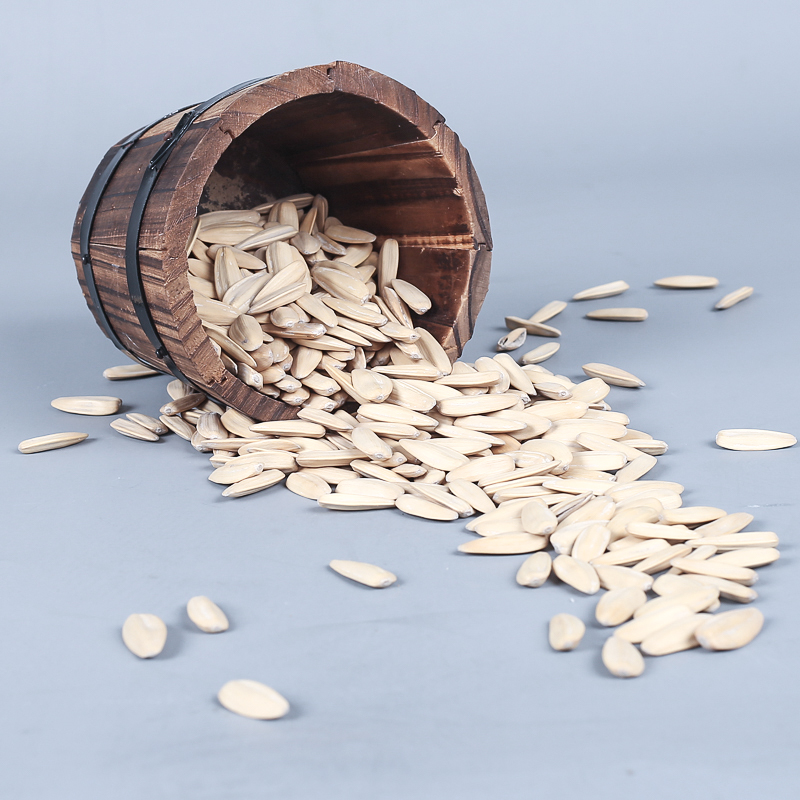
High quality 100g sunflower seeds represent a critical component within the global food supply chain, positioned as both a standalone snack and a vital ingredient in confectionery, baked goods, and oil production. These seeds are categorized under Helianthus annuus, and their quality is determined by a complex interplay of genetics, agronomic practices, post-harvest processing, and storage conditions. Key performance indicators include oil content, protein content, kernel size, hull percentage, and freedom from defects like cracked kernels or foreign material. The industry faces increasing demand for seeds suitable for direct consumption, necessitating stringent quality control and adherence to food safety standards. This guide provides a comprehensive technical overview of sunflower seed quality, from raw material science to potential failure modes and recommended maintenance of quality throughout the supply chain.
Material Science & Manufacturing
Sunflower seeds comprise three primary components: the hull (pericarp), the kernel, and the embryo. The hull is composed primarily of cellulose and lignin, providing a protective layer. The kernel, the economically significant portion, is rich in lipids (typically 40-55% by weight), proteins (18-25%), and carbohydrates. The lipid profile is dominated by linoleic acid (an omega-6 fatty acid), oleic acid (an omega-9 fatty acid), and palmitic acid. Seed quality is heavily influenced by the genetic makeup of the sunflower variety, determining oil content and fatty acid composition. Manufacturing begins with field cultivation, followed by harvesting, drying (to a moisture content of 8-10% to prevent fungal growth), dehulling (mechanical removal of the hull), and sizing/grading. Key parameters during drying include temperature control (avoiding excessive heat which degrades oil quality) and airflow rate. Dehulling efficiency is critical, minimizing kernel damage. Grading separates seeds based on size and density, removing foreign matter and damaged kernels. Post-processing may involve coating with seasonings or roasting, introducing additional process control requirements regarding temperature, time, and coating uniformity. The type of sunflower oil and protein produced are directly related to the seed variety and the degree of processing.
Performance & Engineering
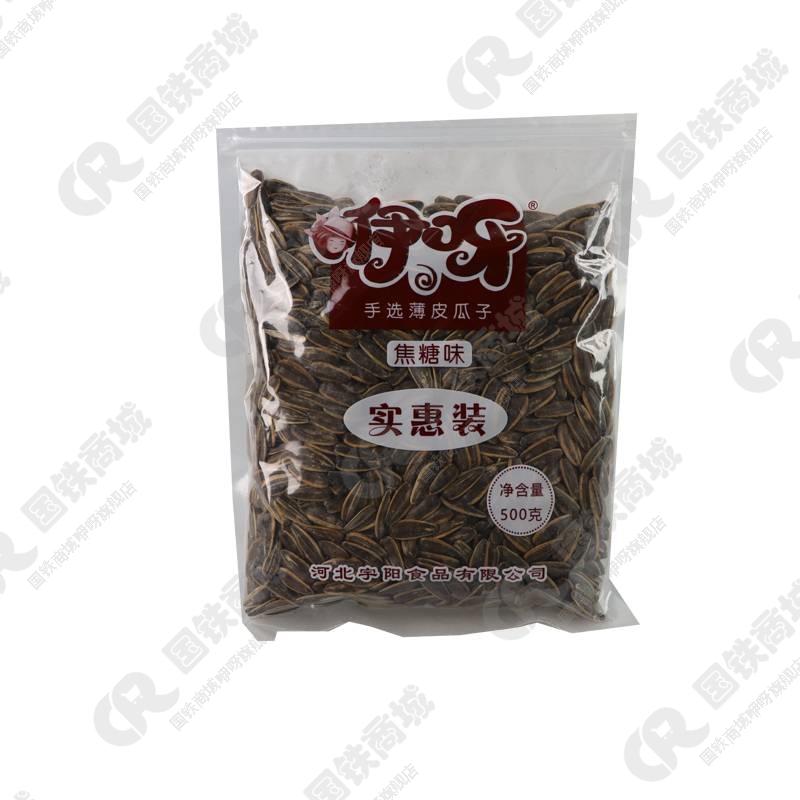
The structural integrity of sunflower seeds, particularly the kernel, is paramount for processing efficiency and product quality. Force analysis during dehulling reveals that hull-kernel adhesion strength varies with seed moisture content and variety. Excessive force leads to kernel breakage, reducing yield and increasing waste. Environmental resistance is critical during storage. Sunflower seeds are susceptible to oxidative rancidity due to the unsaturated fatty acid content. Exposure to oxygen, light, and elevated temperatures accelerates lipid peroxidation, leading to off-flavors and decreased nutritional value. Packaging therefore plays a crucial role in minimizing oxygen permeation and light exposure. Compliance requirements are dictated by food safety regulations, including permissible levels of heavy metals (lead, cadmium), pesticide residues, and aflatoxins. The engineering of storage facilities focuses on temperature and humidity control, preventing condensation and maintaining optimal conditions for long-term preservation. Moisture content control is critical to prevent the growth of molds and bacteria, which can produce mycotoxins. Furthermore, packaging materials must comply with regulations concerning food contact substances.
Technical Specifications
| Parameter | Unit | Specification (High Quality) | Test Method |
|---|---|---|---|
| Oil Content (Dry Basis) | % | ≥ 48 | NMR (Nuclear Magnetic Resonance) |
| Protein Content (Dry Basis) | % | ≥ 20 | Kjeldahl Method |
| Moisture Content | % | ≤ 8 | Oven Drying Method (AOAC) |
| Hull Percentage | % | ≤ 10 | Mechanical Separation & Weighing |
| Kernel Size (Screen Size) | mm | 10-12 | Sieve Analysis |
| Free Fatty Acids (FFA) | % as Oleic Acid | ≤ 0.5 | Titration |
Failure Mode & Maintenance
Sunflower seeds are susceptible to several failure modes. Rancidity, caused by lipid oxidation, is a primary concern, manifested by unpleasant odors and flavors. Cracked kernels result from mechanical stress during handling, dehulling, or storage, reducing processing yield and increasing susceptibility to insect infestation. Insect infestation can lead to significant losses and contamination with insect fragments. Mold growth, particularly Aspergillus species, can produce aflatoxins, posing a serious health hazard. Hygroscopic behavior (absorption of moisture) leads to textural changes and promotes microbial growth. Maintenance strategies include controlled atmosphere storage (low oxygen and controlled humidity), regular monitoring for insect activity and mold growth, and the use of appropriate packaging materials with oxygen and moisture barriers. Preventative measures also include thorough cleaning of processing equipment and adherence to strict sanitation protocols. Seed treatment with antifungal agents may be employed, subject to regulatory approvals. Effective stock rotation (FIFO – First In, First Out) is critical to minimize storage time and reduce the risk of deterioration. Detailed records of temperature, humidity, and storage duration should be maintained for traceability.
Industry FAQ
Q: What is the significance of linoleic to oleic acid ratio in sunflower seeds, and how does it impact shelf life?
A: The ratio of linoleic to oleic acid significantly impacts oxidative stability and shelf life. High-linoleic sunflower oil (typically >60% linoleic acid) is more prone to oxidation and has a shorter shelf life compared to high-oleic sunflower oil (typically >70% oleic acid). Oleic acid is more resistant to oxidation, resulting in a more stable product with improved shelf life. Seed breeders are increasingly focused on developing high-oleic varieties to meet consumer demand for healthier oils and extend product freshness.
Q: How do different dehulling methods affect kernel damage and oil quality?
A: Various dehulling methods exist, including impact dehulling, friction dehulling, and roller dehulling. Impact dehulling, while efficient, tends to cause higher levels of kernel damage due to the abrasive force. Friction dehulling is gentler but may leave more hull fragments attached. Roller dehulling offers a balance between efficiency and kernel integrity. Excessive kernel damage releases intracellular enzymes that can accelerate lipid oxidation, reducing oil quality. Proper optimization of dehulling parameters (e.g., impact velocity, roller pressure) is crucial to minimize damage and preserve oil quality.
Q: What are the key considerations for packaging materials to prevent rancidity in sunflower seeds?
A: Packaging materials must provide a robust barrier against oxygen, light, and moisture. Multi-layer films incorporating aluminum foil or metallized polyester offer excellent oxygen barrier properties. Light-blocking pigments or coatings minimize photo-oxidation. Moisture-resistant materials prevent the absorption of water, which accelerates rancidity. Vacuum packaging or modified atmosphere packaging (MAP) with nitrogen flushing can further reduce oxygen levels. The choice of packaging material depends on the desired shelf life and storage conditions.
Q: What are the permissible limits for aflatoxin contamination in sunflower seeds, and how is it monitored?
A: Permissible limits for aflatoxin contamination vary by country, but are generally very low, typically in the parts per billion (ppb) range. The European Union sets a maximum limit of 2 ppb for total aflatoxins. Monitoring is typically performed using Enzyme-Linked Immunosorbent Assay (ELISA) or High-Performance Liquid Chromatography (HPLC). Regular testing of raw materials and finished products is essential to ensure compliance with food safety regulations. Preventative measures, such as proper drying and storage, are crucial to minimize aflatoxin formation.
Q: How does seed moisture content influence storage stability and susceptibility to fungal growth?
A: Seed moisture content is a critical factor influencing storage stability. Moisture content above 8% promotes the growth of molds and bacteria, including Aspergillus species which produce aflatoxins. Maintaining a moisture content below 8% inhibits microbial growth and slows down enzymatic reactions that contribute to rancidity. Proper drying during harvest and storage in a well-ventilated, cool, and dry environment are essential to maintain low moisture content and ensure long-term storage stability.
Conclusion
The quality of 100g high quality sunflower seeds is a multifaceted attribute determined by a complex interplay of genetic factors, agricultural practices, processing techniques, and storage conditions. Maintaining quality necessitates a comprehensive understanding of the seed’s material science, including lipid composition and structural properties. Careful control of manufacturing parameters – from drying and dehulling to sizing and packaging – is essential to minimize damage and prevent degradation.
Proactive monitoring for failure modes such as rancidity, insect infestation, and mycotoxin contamination, coupled with the implementation of appropriate maintenance strategies, is paramount for ensuring product safety and extending shelf life. Adherence to international standards and regulatory guidelines is non-negotiable. Continuous improvement in breeding programs, processing technologies, and packaging solutions will further enhance the quality and sustainability of the sunflower seed supply chain.
