Introduction
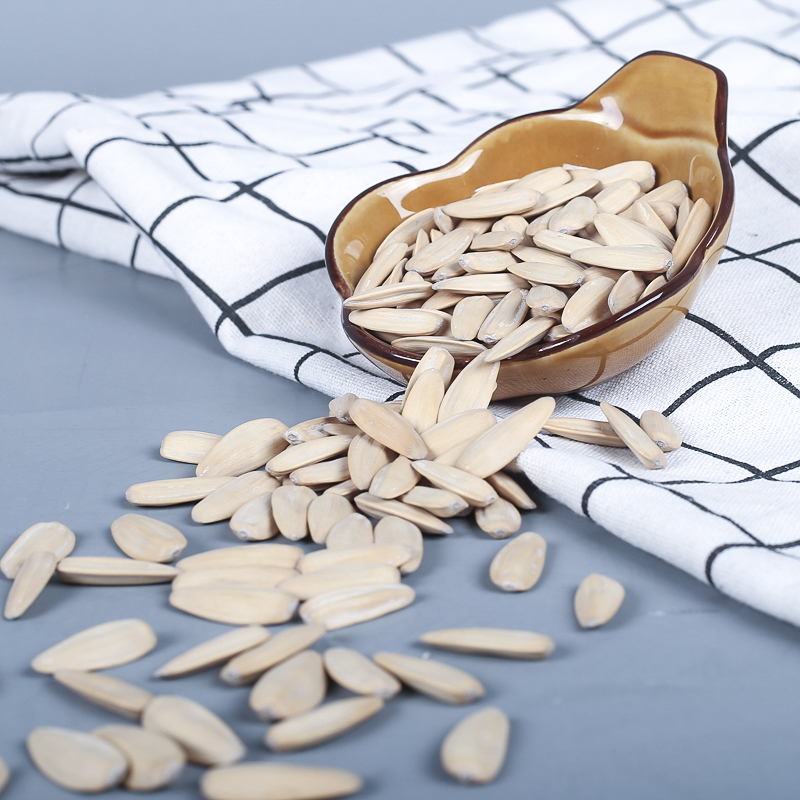
High-quality 100g sunflower seeds represent a significant segment within the broader edible seed market, functioning as both a direct consumer snack and a crucial input for oil extraction. Their position in the agricultural supply chain begins with Helianthus annuus cultivation, followed by harvesting, drying, dehulling, grading, and finally, packaging. The core performance metrics center around oil content, protein levels, kernel size and weight, moisture content, and absence of foreign material. This guide details the material science, manufacturing processes, performance characteristics, potential failure modes, and relevant standards pertaining to premium 100g sunflower seed products. A key industry pain point is maintaining consistent kernel quality and minimizing aflatoxin contamination, requiring stringent quality control throughout the entire process. Furthermore, ensuring optimal packaging to preserve freshness and prevent rancidity is critical for market success.
Material Science & Manufacturing
Sunflower seeds are primarily composed of lipids (40-50%), proteins (18-25%), carbohydrates (15-20%), and fiber (5-10%). The lipid profile predominantly consists of linoleic acid (omega-6) and oleic acid (omega-9), influencing oil quality and stability. The seed coat, or hull, is rich in cellulose and lignin, providing structural integrity but requiring removal for consumption. Manufacturing begins with selecting high-yielding sunflower varieties with desirable kernel characteristics. Harvesting timing is crucial; premature harvesting results in smaller kernels with lower oil content, while delayed harvesting increases the risk of pre-harvest sprouting and fungal contamination. Drying is typically conducted using forced air systems, reducing moisture content to 8-10% to prevent mold growth during storage. Dehulling employs mechanical abrasion, separating the kernel from the hull. Parameter control involves maintaining consistent air temperature and flow rate during drying, precise calibration of dehulling machinery to minimize kernel damage, and optical sorting to remove discolored or damaged seeds. Chemical composition variability between cultivars necessitates careful monitoring and adherence to quality standards. Processing parameters impacting lipid oxidation, such as temperature and exposure to oxygen, are closely monitored.
Performance & Engineering
The structural integrity of sunflower seeds is governed by the tensile strength of the kernel and the resistance of the seed coat to cracking. Force analysis during handling and processing (dehulling, conveying, packaging) identifies potential stress points leading to breakage. Environmental resistance is primarily concerned with moisture absorption and lipid oxidation. High humidity promotes mold growth and reduces shelf life, while exposure to oxygen accelerates rancidity. Packaging materials must provide a barrier against both moisture and oxygen. Compliance requirements include adherence to food safety regulations regarding aflatoxin levels, pesticide residues, and heavy metal content. Functional implementation – the intended use as a snack or oilseed – dictates acceptable impurity levels and kernel size distribution. For snack seeds, palatability and ease of shelling are paramount. Oilseed processing requires kernels with high oil content and minimal free fatty acids. The coefficient of friction between kernels is also a key engineering consideration for efficient conveying and processing equipment. Maintaining a consistent bulk density is also crucial for accurate packaging by weight.
Technical Specifications
| Parameter | Unit | Specification (Premium Grade) | Test Method |
|---|---|---|---|
| Oil Content (Dry Basis) | % | ≥ 50 | Nuclear Magnetic Resonance (NMR) |
| Moisture Content | % | ≤ 8.0 | Oven Drying Method (AACC 14-06) |
| Kernel Size (Diameter) | mm | 12-16 | Sieve Analysis |
| Kernel Damage (Broken/Chipped) | % | ≤ 3.0 | Visual Inspection |
| Foreign Material | % | ≤ 0.5 | Visual Inspection & Sorting |
| Aflatoxin B1 | ppb | ≤ 2 | HPLC Analysis (AOAC 991.31) |
Failure Mode & Maintenance
Common failure modes include lipid oxidation (rancidity), leading to off-flavors and reduced nutritional value. This is accelerated by exposure to oxygen, light, and elevated temperatures. Moisture absorption promotes mold growth, particularly Aspergillus flavus, which produces aflatoxins. Physical damage (cracking, chipping) during handling and processing reduces marketability. Insect infestation can occur during storage if proper sanitation and pest control measures are not implemented. Maintenance strategies involve optimizing storage conditions (low temperature, low humidity, dark environment), using oxygen-barrier packaging materials, implementing rigorous quality control checks for aflatoxin contamination, and establishing effective pest management protocols. Regular inspection of storage facilities for signs of infestation or mold growth is crucial. Periodic analysis of oil content and peroxide value (a measure of oxidation) can help monitor product quality during storage. Proper cleaning and sanitation of processing equipment minimizes the risk of contamination and physical damage.
Industry FAQ
Q: What are the primary factors influencing the shelf life of packaged sunflower seeds?
A: The primary factors are oxygen permeability of the packaging material, initial moisture content, storage temperature, and initial lipid oxidation level. Packaging with a low oxygen transmission rate, coupled with storage at low temperatures (below 20°C), significantly extends shelf life. High initial moisture content and pre-existing oxidation accelerate degradation.
Q: How is aflatoxin contamination monitored and controlled during sunflower seed production?
A: Aflatoxin contamination is monitored through regular sampling and testing using HPLC analysis. Control measures include selecting aflatoxin-resistant sunflower varieties, implementing pre-harvest surveillance for fungal infections, optimizing drying practices to minimize moisture content, and rigorous quality control checks throughout the processing and storage stages. Strict adherence to regulatory limits is essential.
Q: What is the impact of kernel size and shape on processing efficiency?
A: Uniform kernel size and shape improve processing efficiency during dehulling, sorting, and packaging. Variations in size and shape can lead to increased breakage, higher levels of foreign material, and reduced throughput. Optical sorting systems are often used to address size and shape inconsistencies.
Q: What types of packaging materials are best suited for maintaining sunflower seed quality?
A: Multi-layer films incorporating aluminum foil or metallized polyester provide excellent oxygen and moisture barrier properties. Nitrogen flushing prior to sealing can further reduce oxygen levels within the package. The packaging material must also be food-grade and comply with relevant regulations regarding migration of substances into the food product.
Q: How does the method of drying affect the quality of the final product?
A: Rapid drying at high temperatures can cause thermal stress and cracking of the kernels, reducing quality. Slow, controlled drying at moderate temperatures (typically below 60°C) is preferred to minimize damage and preserve oil quality. Adequate ventilation is crucial to prevent localized overheating and mold growth.
Conclusion
The production of high-quality 100g sunflower seeds necessitates meticulous attention to detail throughout the entire supply chain, from cultivar selection and harvesting to processing, packaging, and storage. Maintaining optimal moisture content, minimizing lipid oxidation, and controlling aflatoxin contamination are paramount. Adherence to stringent quality standards and the utilization of appropriate packaging technologies are crucial for delivering a safe, nutritious, and palatable product to the consumer.
Future trends in the industry will likely focus on developing sunflower varieties with enhanced nutritional profiles (e.g., higher oleic acid content), implementing more sustainable agricultural practices, and utilizing advanced processing technologies to improve efficiency and reduce waste. Continuous monitoring and improvement of quality control measures will remain essential for maintaining consumer trust and ensuring market competitiveness.
