
Introduction
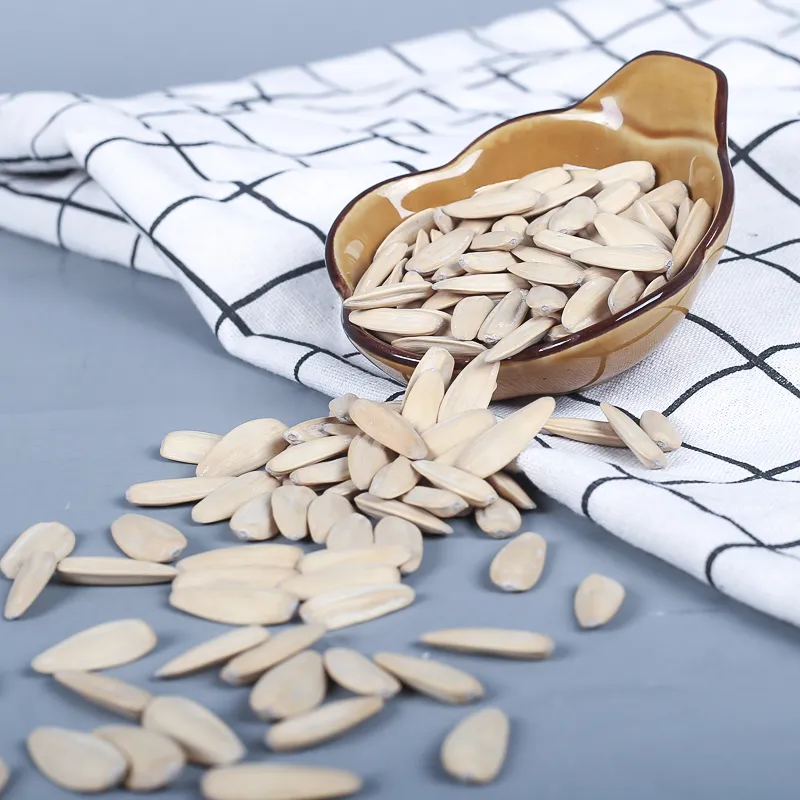
High quality 1 oz sunflower seeds represent a critical component within the broader snack food and agricultural commodity supply chain. Positioned between primary agricultural production and consumer packaged goods, these seeds undergo rigorous selection, processing, and packaging to meet stringent quality standards. The primary performance characteristics driving demand are kernel size, oil content, protein content, and freedom from defects. This guide will detail the material science underpinning seed quality, manufacturing processes impacting performance, and engineering considerations related to maintaining optimal seed integrity throughout its lifecycle, addressing the core concerns of industrial purchasers seeking reliable, consistent supply.
Material Science & Manufacturing
Sunflower seeds ( Helianthus annuus ) are composed primarily of carbohydrate (20-30%), protein (20-25%), fat (40-50%), and fiber (10-15%). The specific composition varies significantly with cultivar. The oil content, primarily linoleic acid (a polyunsaturated omega-6 fatty acid), is a key determinant of quality. Kernel hardness, influenced by lignin content in the seed coat, impacts shelling efficiency and susceptibility to damage during processing. Manufacturing begins with field harvesting and initial cleaning to remove plant debris. Subsequent drying is crucial, typically employing a combination of forced air and controlled temperature environments (40-50°C) to achieve a moisture content of 8-10%, preventing fungal growth and lipid oxidation. Dehulling processes, often mechanical, require precise calibration to minimize kernel breakage. Sizing and grading are then performed based on kernel diameter, using screens and optical sorting technology. Quality control checks at this stage assess for seed damage (cracks, chips), discoloration, and foreign material. Nitrogen purging during packaging is employed to reduce oxygen content and enhance shelf life. Parameter control during drying (temperature, airflow, duration) and dehulling (roller gap, feed rate) are paramount to maintain seed viability and prevent lipid peroxidation.
Performance & Engineering
The performance of high quality sunflower seeds is inextricably linked to their structural integrity and biochemical composition. Force analysis during handling (transportation, processing) requires consideration of impact resistance and compressive strength of the kernel. Seed coat cracking reduces oil stability and increases susceptibility to rancidity. Environmental resistance focuses on maintaining quality during storage. Temperature fluctuations accelerate lipid oxidation, requiring cool, dry storage conditions (5-10°C, relative humidity <60%). Packaging materials must provide an effective barrier to oxygen and moisture. Compliance requirements, particularly regarding food safety, are governed by regulations such as the FDA’s Food Safety Modernization Act (FSMA) in the US, and equivalent regulations in other regions. Aflatoxin contamination, produced by Aspergillus molds, is a significant concern, requiring adherence to strict monitoring and control protocols. Functional implementation focuses on consistent seed size and shape for automated processing in snack food manufacturing lines. Variations in seed dimensions can lead to jamming or uneven coating application during seasoning processes.
Technical Specifications
| Parameter | Specification | Test Method | Acceptance Criteria |
|---|---|---|---|
| Oil Content (%) | 48-54% | Soxhlet Extraction (AOCS Cd 14-91) | ≥48% |
| Moisture Content (%) | 8-10% | Oven Drying (AACC Method 925) | ≤10% |
| Kernel Size (mm) | 12-16 | Sieve Analysis | 90% within range |
| Foreign Material (%) | <0.5% | Visual Inspection | ≤0.5% |
| Damaged Kernels (%) | <3% | Visual Inspection | ≤3% |
| Aflatoxin Level (ppb) | <20 ppb | HPLC-Fluorescence | ≤20 ppb |
Failure Mode & Maintenance
Failure modes for high quality sunflower seeds typically fall into three categories: physical damage, lipid degradation, and biological contamination. Physical damage, such as kernel cracking or chipping, occurs during harvesting, processing, and handling. Fatigue cracking can develop during prolonged storage due to repeated mechanical stresses. Lipid degradation, specifically rancidity, is caused by oxidation of unsaturated fatty acids, accelerated by heat, light, and oxygen. This manifests as an off-flavor and reduces nutritional value. Biological contamination, particularly by molds producing aflatoxins, presents a significant health hazard. Maintenance strategies include optimizing harvesting and processing parameters to minimize physical damage. Proper storage conditions (cool, dry, dark, oxygen-controlled environment) are critical to prevent lipid oxidation. Implementing robust sanitation protocols throughout the processing chain minimizes the risk of fungal contamination. Regular testing for aflatoxins is essential. Packaging should utilize materials with high barrier properties to oxygen and moisture. Long-term storage should involve periodic monitoring of seed quality parameters (oil content, moisture content, aflatoxin levels).
Industry FAQ
Q: What is the significance of the oil content specification and how does it impact the end product?
A: Oil content directly influences the flavor profile and caloric density of the sunflower seeds and subsequently, any product incorporating them. Higher oil content generally correlates with a richer flavor and contributes to a desirable texture. However, high oil content also increases susceptibility to rancidity, necessitating careful storage and packaging. Contractually specifying oil content ensures consistency in the final product.
Q: How do you ensure the absence of aflatoxins and what testing protocols are employed?
A: Aflatoxin control is paramount. We employ a multi-faceted approach including sourcing from regions with low aflatoxin risk, implementing strict pre-harvest and post-harvest monitoring programs, and utilizing advanced cleaning and sorting technologies. Testing is conducted using HPLC-Fluorescence, a highly sensitive method for detecting aflatoxins, and is performed on representative samples throughout the production process and on each batch prior to shipment.
Q: What measures are taken to prevent mechanical damage to the kernels during processing?
A: We utilize optimized dehulling and grading equipment with precise calibration to minimize kernel breakage. Roller gaps are carefully adjusted, feed rates are controlled, and impact zones are cushioned to reduce mechanical stress. Regular maintenance and inspection of processing equipment are also crucial. Seed handling procedures are designed to minimize drop heights and abrasion.
Q: What packaging materials are used to maximize shelf life and maintain seed quality?
A: We utilize multi-layer packaging films constructed from materials with high barrier properties to oxygen, moisture, and light. Typically, this includes a layer of aluminum foil or metallized polyester combined with polyethylene or polypropylene for sealing. Nitrogen flushing is employed prior to sealing to displace oxygen and further extend shelf life. Packaging integrity is tested to ensure leak-proof performance.
Q: Can you provide documentation demonstrating compliance with relevant food safety regulations?
A: Absolutely. We maintain comprehensive documentation demonstrating compliance with all applicable food safety regulations, including FSMA, HACCP, and relevant international standards. This documentation, including certificates of analysis, audit reports, and quality control records, is available upon request. We also maintain traceability records for each batch of seeds, allowing us to track their origin and processing history.
Conclusion
The production of high quality 1 oz sunflower seeds is a complex process governed by fundamental principles of material science and engineering. Maintaining consistent quality requires meticulous attention to detail at every stage, from agricultural production to packaging and storage. The specifications outlined herein are critical for ensuring product integrity, consumer safety, and reliable performance in downstream applications.
Ultimately, the value proposition of these seeds rests on a commitment to rigorous quality control, adherence to international standards, and a deep understanding of the factors influencing seed stability. Proactive implementation of preventative maintenance strategies and a continuous improvement mindset are essential for sustaining a reliable supply of high-quality sunflower seeds to meet the evolving demands of the global snack food industry.
