Introduction
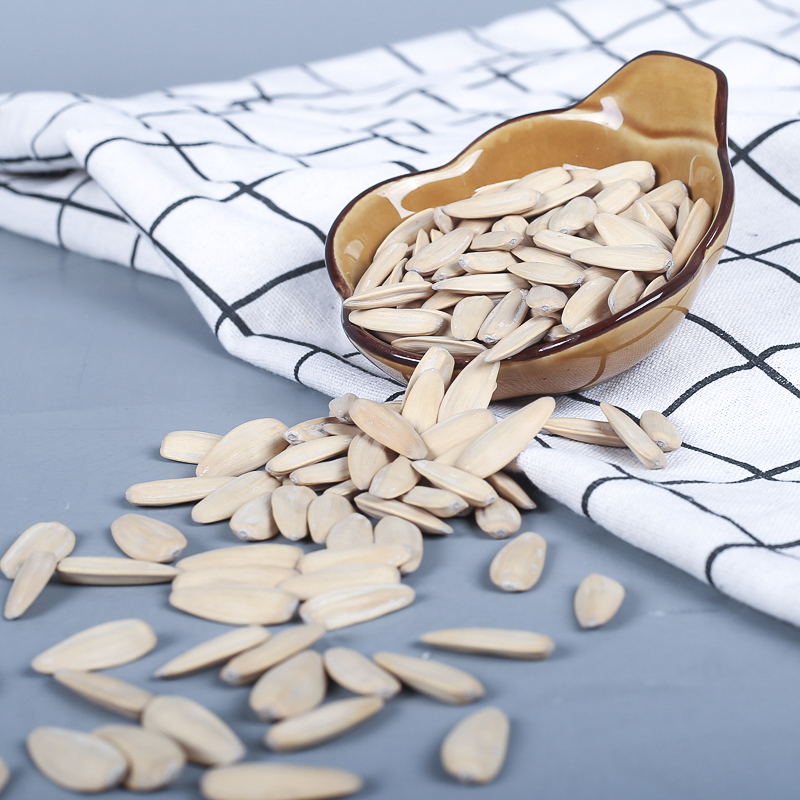
Sunflower seeds ( Helianthus annuus) represent a significant commodity within the global food and agricultural supply chain. This technical guide details the critical aspects of high-quality 1 oz sunflower seeds, focusing on their position as a raw material for direct consumption, oil extraction, and as a valuable component in animal feed. The 1 oz unit serves as a common retail and analytical benchmark for quality assessment. Core performance characteristics include oil content, protein levels, moisture content, hulling percentage, and the absence of mycotoxins and foreign material. The industry faces challenges related to consistent seed quality impacted by growing conditions, harvesting practices, and storage methods. This guide addresses these concerns, providing an in-depth examination of the factors influencing sunflower seed quality and outlining industry best practices for procurement and handling.
Material Science & Manufacturing
Sunflower seeds are comprised of three primary components: the kernel (cotyledon), the hull (pericarp), and the germ. The kernel constitutes the majority of the seed’s mass (typically 58-65% of total weight), and contains the oil and protein reserves. The hull, consisting largely of cellulose and lignin, provides a protective outer layer. The germ, while a smaller percentage, contains essential fatty acids and nutrients. Raw material quality begins with the Helianthus annuus cultivar selected for planting. High-oleic cultivars are favored for their enhanced oxidative stability and extended shelf life. Manufacturing begins with field cultivation, involving careful soil preparation, planting density, and irrigation management. Harvesting is a critical step, with optimal timing affecting seed moisture content and susceptibility to damage. Mechanical harvesting is standard, involving threshing and cleaning processes. Post-harvest processing includes drying to reduce moisture content to below 9% to inhibit microbial growth. Hulling – separating the kernel from the hull – is achieved mechanically, followed by grading and sorting based on size and quality. Key parameter control involves monitoring seed moisture content, oil content (determined via Soxhlet extraction), protein content (Kjeldahl method), and assessing for foreign material and damaged kernels. Proper storage in cool, dry conditions is crucial to prevent rancidity and maintain seed viability.
Performance & Engineering
Performance evaluation of sunflower seeds focuses on several key engineering properties. Tensile strength is critical during handling and processing (hulling, oil extraction). Kernel hardness, measured using a penetrometer, impacts milling efficiency and oil yield. Moisture content directly affects seed stability and susceptibility to microbial attack. Flowability, assessed using angle of repose tests, is important for automated handling and packaging. Environmental resistance refers to the seed’s ability to withstand temperature fluctuations and humidity variations during storage and transport. Compliance requirements are dictated by regulatory bodies such as the FDA (Food and Drug Administration) in the United States and EFSA (European Food Safety Authority) in Europe. These regulations dictate permissible levels of mycotoxins (aflatoxins, ochratoxins), pesticide residues, and heavy metals. Furthermore, seeds intended for oil extraction must meet specific impurity standards to ensure oil quality. The functional implementation involves optimizing the seed’s properties for its intended end-use. For example, seeds destined for direct consumption require careful hulling to remove the outer shell, while seeds for oil extraction require minimal damage to the kernel to maximize oil yield. The oil extraction process itself (mechanical pressing or solvent extraction) relies on the physical properties of the kernel to achieve efficient oil recovery.
Technical Specifications
| Parameter | Unit | Specification (High Quality) | Test Method |
|---|---|---|---|
| Oil Content (Dry Basis) | % | 42-52 | Soxhlet Extraction (AOCS Ja 5-89) |
| Protein Content (Dry Basis) | % | 20-28 | Kjeldahl Method (AOCS Ja 2-88) |
| Moisture Content | % | ≤ 9.0 | Oven Drying (AOCS Ca 14-90) |
| Hulling Percentage | % | ≥ 70 | Mechanical Hulling & Weighing |
| Broken Kernels & Foreign Matter | % | ≤ 2.0 | Visual Inspection & Sieving |
| Aflatoxin B1 | ppb | ≤ 20 | ELISA or HPLC |
Failure Mode & Maintenance
Sunflower seed failure modes can occur at various stages. Lipid Oxidation is a primary concern during storage, leading to rancidity and off-flavors. This is exacerbated by exposure to oxygen, light, and elevated temperatures. Mechanical Damage during harvesting, handling, or processing can result in broken kernels, reducing oil yield and increasing susceptibility to microbial contamination. Mycotoxin Contamination by fungi like Aspergillus can occur in the field or during storage, posing a health risk. Insect Infestation can cause significant losses, both through direct consumption of the seeds and by introducing contaminants. Hulling Damage – excessive cracking during hulling - reduces kernel integrity and oil quality. Maintenance strategies include proper drying to reduce moisture content, storage in airtight containers under cool, dry conditions, regular monitoring for insect infestation and mycotoxin levels, and implementation of robust quality control procedures throughout the supply chain. Preventive maintenance on harvesting and processing equipment is crucial to minimize mechanical damage. For oilseed producers, using antioxidant additives during oil extraction can help inhibit lipid oxidation. Regular cleaning and sanitation of storage facilities are essential to prevent fungal growth and insect proliferation.
Industry FAQ
Q: What is the impact of growing region on sunflower seed oil quality?
A: The growing region significantly influences fatty acid profiles. Seeds grown in cooler climates tend to have higher linoleic acid content, while those grown in warmer climates exhibit higher oleic acid levels. Oleic acid is more stable and desirable for applications requiring extended shelf life and high-temperature stability.
Q: How do you ensure consistent aflatoxin levels in bulk sunflower seed shipments?
A: We implement a rigorous sampling plan based on ISO standards, utilizing both visual inspection and laboratory analysis (HPLC or ELISA) at multiple stages – pre-shipment inspection, upon arrival at our facility, and before processing. We source seeds only from suppliers with established HACCP (Hazard Analysis and Critical Control Points) programs.
Q: What is the acceptable level of hulling damage for seeds intended for roasted snack production?
A: For roasted snack production, we specify a maximum of 1.5% hulling damage, assessed visually. Higher levels of damage can result in undesirable texture and flavor characteristics in the final product.
Q: What are the primary factors contributing to rancidity in stored sunflower seeds?
A: The primary factors are oxygen exposure, elevated temperatures, high moisture content, and the presence of unsaturated fatty acids. Effective storage practices – airtight containers, cool temperatures, and low moisture – are essential to minimize rancidity.
Q: How does seed size distribution affect the efficiency of the oil extraction process?
A: A consistent seed size distribution is crucial for optimal oil extraction. Large variations in size can lead to uneven cracking and incomplete oil release during mechanical pressing or solvent extraction. We specify a narrow size range based on sieve analysis.
Conclusion
High-quality 1 oz sunflower seeds are defined by a complex interplay of genetic factors, agricultural practices, and post-harvest processing techniques. Maintaining optimal oil content, protein levels, and minimizing defects like mechanical damage and mycotoxin contamination are paramount for ensuring a safe and valuable product. The parameters outlined in this guide – including moisture content, hulling percentage, and aflatoxin limits – serve as critical benchmarks for quality assessment and control.
Continued advancements in breeding programs focusing on improved oil quality (high-oleic cultivars) and disease resistance, coupled with the implementation of robust quality assurance systems throughout the supply chain, will be essential for meeting the evolving demands of the food and agricultural industries. Furthermore, ongoing research into novel storage technologies aimed at minimizing lipid oxidation and preserving seed viability will play a crucial role in enhancing the sustainability and economic viability of sunflower seed production.
