Introduction
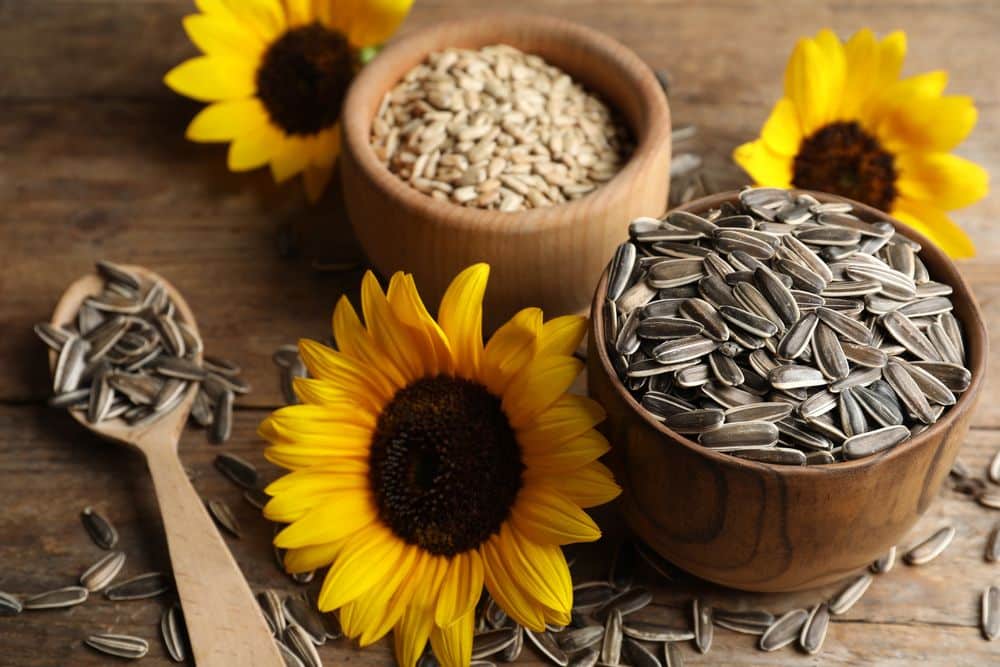
High quality 1 ounce sunflower seeds represent a critical component within the broader snack food and agricultural commodities industries. These seeds are not merely a consumer product; they are the culmination of agronomic practices, post-harvest processing, and quality control protocols. Their positioning in the value chain begins with agricultural cultivation, proceeds through cleaning, grading, dehulling (in some varieties), drying, and finally, packaging for distribution. Core performance characteristics encompass oil content, protein levels, moisture content, germination rate (for seeds intended for future planting, though less common for snack varieties), and absence of foreign material or mycotoxins. The increasing demand for healthy snack options and the growing awareness of the nutritional benefits of sunflower seeds drive continued innovation in cultivar development and processing techniques. This guide provides an in-depth technical analysis of these seeds, covering material science, manufacturing processes, performance criteria, failure modes, and relevant industry standards.
Material Science & Manufacturing
Sunflower seeds ( Helianthus annuus ) are primarily composed of three key components: the kernel (cotyledon), the hull (pericarp), and the embryo. The kernel constitutes approximately 65-75% of the seed's weight and is rich in oil (40-55%), protein (18-25%), and fiber. The hull, comprising 25-35% of the seed, provides physical protection and is largely composed of cellulose and lignin. The oil’s composition is predominantly linoleic acid (omega-6 fatty acid), with varying amounts of oleic acid (omega-9 fatty acid) depending on the cultivar. Manufacturing begins with field harvesting when seed moisture content is optimized (typically 10-12%). Cleaning removes debris – stalks, leaves, and other seeds. Dehulling (for in-shell seeds) utilizes mechanical abrasion. Drying is crucial, typically employing forced-air systems maintaining temperatures below 40°C to prevent protein denaturation and oil oxidation. Moisture content post-drying is ideally around 6-8% for optimal shelf life. Grading separates seeds based on size and weight, often utilizing screens and air classifiers. Packaging utilizes materials providing a barrier to oxygen and moisture, typically multi-layer films of polyethylene, polypropylene, and aluminum foil. Key parameter control during processing includes maintaining consistent temperatures during drying, optimizing dehulling pressure to minimize kernel damage, and controlling ambient humidity during packaging. Seed variety significantly impacts hull thickness, oil content, and fatty acid profile, influencing both processing parameters and final product quality.

Performance & Engineering
The performance of high quality 1 ounce sunflower seeds is evaluated through several critical engineering parameters. Shell strength is important for in-shell varieties, assessed via fracture resistance testing. Kernel hardness, measured using penetrometers, influences processing efficiency and consumer acceptability. Oil extraction yield, determined through solvent extraction methods (typically hexane), is a key economic indicator. Stability of the oil against oxidation is paramount, assessed through Rancimat testing (measuring induction time) and peroxide value analysis. Moisture content, consistently maintained below 8%, is crucial to prevent microbial growth and maintain textural integrity. Packaging plays a vital role in protecting the seeds from environmental factors. Barrier properties, specifically Oxygen Transmission Rate (OTR) and Water Vapor Transmission Rate (WVTR), are critical. Packaging materials with low OTR (<1 cm³/m²/day) and low WVTR (<1 g/m²/day) are preferred. Furthermore, seeds must adhere to food safety regulations, requiring analysis for aflatoxins (produced by Aspergillus fungi) and other mycotoxins. Force analysis during handling and transport assesses impact resistance and breakage rates. Compliance requirements include adherence to FDA regulations (USA), EFSA regulations (Europe), and relevant national standards pertaining to food safety and labeling.
Technical Specifications
| Parameter | Unit | Specification (Standard Grade) | Specification (Premium Grade) |
|---|---|---|---|
| Kernel Moisture Content | % | ≤ 8.0 | ≤ 6.5 |
| Oil Content (Dry Basis) | % | ≥ 45.0 | ≥ 50.0 |
| Protein Content (Dry Basis) | % | ≥ 18.0 | ≥ 20.0 |
| Foreign Material | % | ≤ 1.0 | ≤ 0.5 |
| Broken Kernels & Hull Fragments | % | ≤ 5.0 | ≤ 2.0 |
| Aflatoxin (B1, B2, G1, G2) | ppb | ≤ 20 | ≤ 5 |
Failure Mode & Maintenance
Failure modes for high quality 1 ounce sunflower seeds typically relate to degradation of quality during storage and transport. Lipid oxidation is a primary concern, leading to rancidity and off-flavors. This is accelerated by exposure to oxygen, light, and elevated temperatures. Moisture absorption can lead to microbial growth (molds and yeasts), resulting in spoilage and mycotoxin contamination. Physical damage (cracking, chipping) during handling or transport can reduce aesthetic appeal and increase susceptibility to oxidation. Insect infestation is another potential failure mode, particularly in improperly stored seeds. Maintenance (preventative measures) involves storing seeds in cool, dry, and dark conditions, utilizing oxygen-impermeable packaging, and implementing a robust pest control program. Regular monitoring of moisture content and visual inspection for signs of spoilage are essential. First-in, first-out (FIFO) inventory management minimizes storage time. For seeds intended for planting (though less common for snack varieties), maintaining genetic purity through proper seed handling and storage is crucial. The efficacy of packaging seals should be periodically checked to ensure barrier integrity. Damage to packaging should be addressed immediately to prevent exposure to environmental factors.
Industry FAQ
Q: What is the significance of oil content in sunflower seeds and how is it measured?
A: Oil content is a crucial quality parameter, directly impacting nutritional value and processing yield. It’s typically measured using Soxhlet extraction, a gravimetric method where oil is extracted from a seed sample using a solvent (usually hexane), and the residue is weighed to determine the oil percentage. Higher oil content generally correlates with increased price and desirability.
Q: How do you ensure the absence of aflatoxins in sunflower seeds?
A: Aflatoxins are potent mycotoxins produced by Aspergillus fungi. Prevention relies on good agricultural practices (managing field conditions to minimize fungal growth) and proper post-harvest handling (drying seeds quickly and thoroughly). Detection is achieved through ELISA (Enzyme-Linked Immunosorbent Assay) and HPLC (High-Performance Liquid Chromatography) methods, which are highly sensitive and specific for aflatoxins.
Q: What role does packaging play in maintaining seed quality?
A: Packaging is critical. It acts as a barrier against oxygen, moisture, and light – all factors that accelerate degradation. Multi-layer films with low OTR and WVTR are essential. Vacuum packaging or modified atmosphere packaging (MAP) further extends shelf life by reducing oxygen levels.
Q: What is the typical shelf life of properly stored sunflower seeds?
A: Properly stored sunflower seeds (cool, dry, dark, and in appropriate packaging) can maintain acceptable quality for 12-18 months. However, periodic quality checks (oil oxidation, moisture content) are recommended, especially for longer storage periods.
Q: What are the differences between oil-type and linoleic-type sunflower seeds?
A: Oil-type sunflower seeds are bred to have a high oleic acid content (omega-9 fatty acid), offering improved oxidative stability and longer shelf life. Linoleic-type seeds have a higher linoleic acid content (omega-6 fatty acid), which is still nutritionally beneficial but more prone to oxidation. The choice depends on intended application and desired shelf life.
Conclusion
High quality 1 ounce sunflower seeds represent a complex agricultural product requiring careful consideration of material science, manufacturing processes, and quality control parameters. Maintaining optimal kernel moisture content, maximizing oil content and stability, and ensuring adherence to stringent food safety regulations are paramount to delivering a product that meets consumer expectations and regulatory requirements. The long-term viability of the sunflower seed industry relies on continuous innovation in cultivar development, processing technologies, and packaging solutions.
Further research into novel packaging materials with enhanced barrier properties, optimized drying techniques minimizing nutrient loss, and improved methods for aflatoxin detection will be crucial for maintaining product quality and extending shelf life. Understanding the interplay between seed genetics, processing parameters, and storage conditions is essential for maximizing the economic value and nutritional benefits of this important commodity. Continued focus on sustainable agricultural practices and responsible supply chain management will further enhance the long-term prospects of the sunflower seed industry.
