Introduction
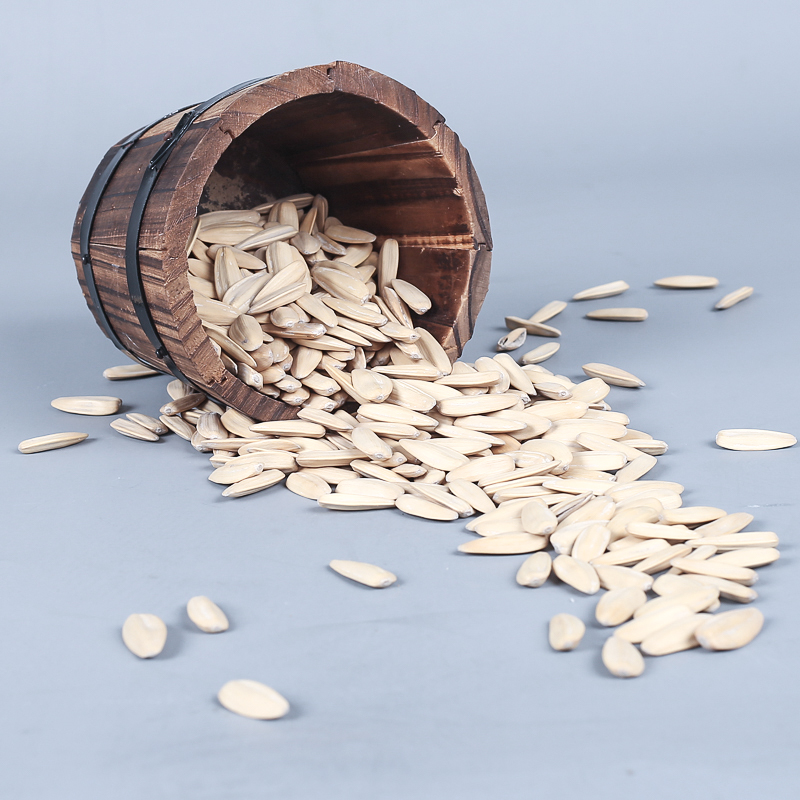
Sunflower seeds ( Helianthus annuus) represent a significant commodity within the global edible oilseed and snack food industries. Positioned within the agricultural supply chain between primary cultivation and consumer product manufacturing, healthy sunflower seeds are characterized by their high oil content, protein profile, and essential fatty acid composition. Core performance metrics center around oil yield, protein content, linoleic/oleic acid ratio, hull content, and overall seed viability as indicators of quality and processability. The industry currently faces challenges regarding mycotoxin contamination (particularly aflatoxins), optimizing hulling efficiency, and achieving consistent seed quality due to varietal differences and environmental factors. This guide provides an in-depth technical assessment of sunflower seed characteristics, manufacturing processes, performance parameters, and potential failure modes.
Material Science & Manufacturing
The primary constituents of sunflower seeds are the kernel (approximately 40-50% oil, 20-25% protein, and 10-15% carbohydrates) and the hull (approximately 20-30% of total seed weight). Kernel oil composition is dominated by linoleic acid (C18:2, omega-6) and oleic acid (C18:1, omega-9), with variations dependent on seed variety (high-oleic vs. high-linoleic). Protein is primarily comprised of globulins and albumins. The hull consists primarily of cellulose, hemicellulose, and lignin, providing structural integrity. Manufacturing begins with seed selection and cleaning to remove foreign matter. Dehulling is a critical process, typically employing impact or friction methods. Parameter control is vital; impact speed and plate gap in impact dehullers, and friction surface texture and pressure in friction dehullers directly influence hull removal efficiency and kernel damage. Subsequent processing involves kernel drying to a moisture content of approximately 9-10% to inhibit enzymatic activity and prevent mold growth. Drying temperature must be carefully controlled (typically below 60°C) to avoid lipid oxidation and protein denaturation. Seed grading based on size and density further refines quality. Finally, storage under controlled temperature (below 15°C) and humidity (below 65%) is essential to maintain seed viability and prevent rancidity. Chemical compatibility concerns center around avoiding contact with metals that catalyze lipid oxidation (iron, copper) and ensuring storage vessels are inert.
Performance & Engineering
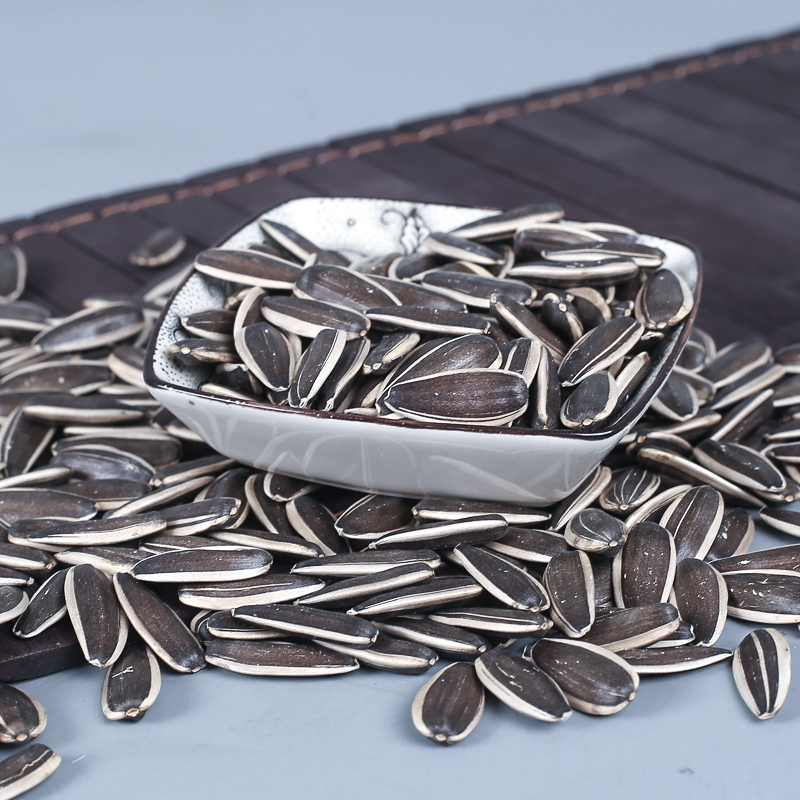
Performance assessment of sunflower seeds necessitates consideration of several key engineering principles. The force required for dehulling is directly proportional to the hull’s tensile strength and inversely proportional to kernel moisture content. Environmental resistance is primarily dictated by seed moisture content and hull integrity; low moisture content and intact hulls provide a barrier against microbial invasion and lipid oxidation. Compliance requirements vary by region, but commonly include limits on aflatoxin levels (regulated by the FDA in the US and the EU), pesticide residues, and heavy metal contamination. Functional implementation hinges on the intended end-use. For oil extraction, oil yield and free fatty acid content are paramount. For direct consumption, kernel size, shape, and flavor profile are crucial. The mechanical strength of the kernel itself (resistance to cracking during processing) is important to minimize fines and maintain product quality. Seed germination rate, a measure of seed viability, is critical for seed destined for replanting. Seed coat permeability affects imbibition rates and germination success. Optimizing hulling parameters requires a balance between maximizing kernel recovery and minimizing kernel damage, representing a complex force-balance problem.
Technical Specifications
| Parameter | Unit | High-Oleic Variety | High-Linoleic Variety |
|---|---|---|---|
| Oil Content (Dry Basis) | % | 48-52 | 42-48 |
| Protein Content (Dry Basis) | % | 20-25 | 20-25 |
| Linoleic Acid | % of Total Fatty Acids | <15 | 55-75 |
| Oleic Acid | % of Total Fatty Acids | 60-80 | 15-35 |
| Hull Content | % | 20-25 | 20-25 |
| Aflatoxin Level (B1, B2, G1, G2) | ppb | <5 | <5 |
Failure Mode & Maintenance
Sunflower seed failure modes encompass biological, chemical, and physical degradation. Biological failure includes fungal growth (leading to aflatoxin contamination), insect infestation, and microbial spoilage. Chemical failure manifests as lipid oxidation (rancidity) and protein denaturation, accelerated by high temperatures, light exposure, and contact with catalytic metals. Physical failures include kernel cracking during dehulling or handling, hull abrasion, and seed coat damage compromising moisture barrier properties. Fatigue cracking in the hull can occur during repeated impact in dehulling processes. Delamination of the kernel can occur during drying if temperature gradients are too steep. Preventative maintenance involves rigorous cleaning and sanitation of processing equipment to minimize microbial contamination. Implementing a robust temperature and humidity control system during storage is crucial. Regularly monitoring aflatoxin levels and conducting visual inspections for insect damage are essential. Seed coating with antifungal agents can provide an additional layer of protection. Proper equipment calibration and maintenance ensures optimal dehulling parameters and minimizes kernel damage. Regularly inspecting and replacing worn dehulling components (impact plates, friction surfaces) prevents increased kernel cracking.
Industry FAQ
Q: What is the primary challenge in ensuring consistent oil yield across different sunflower seed lots?
A: The primary challenge lies in the inherent genetic variability between sunflower seed varieties and the influence of environmental factors during growth. Differences in fatty acid profiles, kernel size, and maturity stages directly impact oil yield. Variations in temperature, rainfall, and soil composition can significantly alter seed composition. Implementing rigorous seed grading based on oil content and employing consistent processing parameters are critical mitigation strategies.
Q: How does the presence of hull fragments impact downstream oil extraction efficiency?
A: Hull fragments reduce oil extraction efficiency by increasing the solids content of the oilseed meal, hindering solvent penetration and increasing viscosity. This results in lower oil recovery and increased solvent consumption. Furthermore, hull fragments can absorb oil, reducing the overall oil yield and potentially affecting oil quality. Efficient dehulling and subsequent cleaning processes are essential to minimize hull fragment content.
Q: What are the implications of exceeding the regulatory limits for aflatoxins in sunflower seeds?
A: Exceeding regulatory limits for aflatoxins leads to product rejection, potential legal repercussions, and significant economic losses. Aflatoxins are potent carcinogens and pose a serious health risk to consumers. Stringent quality control measures, including pre-harvest monitoring, proper drying and storage practices, and regular aflatoxin testing, are crucial for compliance.
Q: What role does kernel moisture content play in the efficiency of the dehulling process?
A: Kernel moisture content is inversely related to dehulling efficiency. Higher moisture content increases kernel pliability, making it more susceptible to damage during impact or friction dehulling. Lower moisture content makes the kernel brittle and more difficult to separate from the hull. Optimizing moisture content (typically around 9-10%) is essential for maximizing hull removal and minimizing kernel damage.
Q: What methods are used to assess the quality of sunflower oil extracted from the seeds?
A: Sunflower oil quality is assessed through various analytical techniques including fatty acid profile analysis (gas chromatography), peroxide value (to measure oxidation), free fatty acid content (titration), color measurement (spectrophotometry), and iodine value (to assess unsaturation). Refractive index and specific gravity are also routinely measured. Sensory evaluation (taste and odor) is also conducted.
Conclusion
Healthy sunflower seeds represent a complex agricultural product with multifaceted performance characteristics dependent on genetic factors, environmental conditions, and processing parameters. Effective quality control necessitates rigorous monitoring of key parameters throughout the entire supply chain, from cultivation to storage. Optimizing dehulling efficiency, mitigating aflatoxin contamination, and preserving oil quality are critical challenges for the industry.
Future research should focus on developing sunflower varieties with enhanced resistance to fungal pathogens, improved hulling characteristics, and optimized oil profiles tailored to specific end-use applications. Advancements in processing technologies, such as improved drying methods and more precise dehulling equipment, will further enhance product quality and reduce waste. Continued adherence to international standards and best practices is essential to ensure the safety and sustainability of the sunflower seed industry.
