Introduction
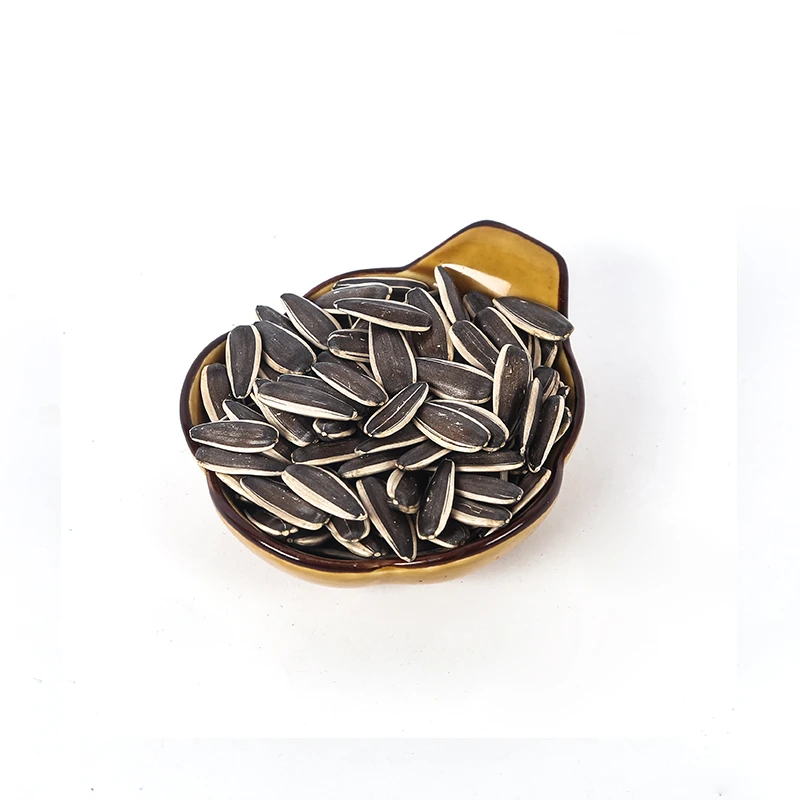
Giant sunflower seeds ( Helianthus annuus macrocarpus) represent a specialized cultivar within the sunflower family, optimized for seed size and kernel yield. Technically positioned within the agricultural commodity chain as a high-value oilseed and confectionary product, they bridge the gap between bulk oilseed production and niche snack food markets. Their core performance characteristics revolve around kernel weight, oil content, protein concentration, and hull strength, impacting both processing efficiency and consumer acceptance. Current industry challenges include optimizing genotype for maximized seed size without compromising oil quality, mitigating fungal contamination during growth and storage, and maintaining consistent kernel size for automated processing equipment. This guide provides a detailed technical overview of giant sunflower seed production, from material science and manufacturing to performance characteristics, failure modes, and industry standards.
Material Science & Manufacturing
The raw material, the sunflower seed, is a complex biological structure. The hull (pericarp) comprises cellulose, hemicellulose, and lignin, providing a protective outer layer. The kernel consists of approximately 40-50% oil (primarily linoleic acid, oleic acid, and palmitic acid), 20-25% protein, 15-20% carbohydrate, and trace minerals. Manufacturing begins with genetic selection for large seed size, followed by controlled planting, fertilization, and irrigation. Hybridization techniques are crucial for combining desirable traits. Seed harvesting involves mechanical reaping and threshing, followed by drying to a moisture content of 8-10% to prevent fungal growth. Hulling is a critical process, often employing centrifugal or impact hullers. Parameter control during hulling focuses on minimizing kernel damage. Oil extraction commonly uses mechanical pressing (expelling) or solvent extraction (typically hexane). Post-extraction refining processes, including degumming, neutralization, bleaching, and deodorization, are essential for producing edible oil. Protein extraction involves defatting the meal followed by separation techniques like isoelectric precipitation or membrane filtration. Critical parameters in protein processing include temperature control to prevent denaturation and pH adjustment to optimize yield.
Performance & Engineering
The performance of giant sunflower seeds is dictated by several engineering considerations. Hull strength is critical for resisting cracking during handling and processing, influencing yield and minimizing dust generation. This is analyzed via impact testing and fracture mechanics. Kernel density impacts sedimentation rates during oil extraction and separation efficiency. Oil viscosity is vital for processing parameters like filtration and temperature control. Environmental resistance is particularly important for storage. Moisture ingress leads to aflatoxin contamination, requiring optimized storage conditions (low temperature, low humidity). Exposure to oxygen promotes lipid peroxidation, decreasing oil quality. Compliance requirements relate to food safety standards (e.g., HACCP), heavy metal contamination limits (regulated by FDA and EFSA), and pesticide residue levels (governed by FAO/WHO Codex Alimentarius). Functional implementation focuses on optimizing hulling efficiency to minimize kernel breakage and maximizing oil yield during extraction, frequently involving finite element analysis of hulling machinery.
Technical Specifications
| Parameter | Unit | Typical Value (Giant Sunflower Seeds) | Industry Standard Range |
|---|---|---|---|
| Kernel Weight | g | 1.2 - 1.8 | 0.8 - 2.0 |
| Oil Content (Dry Basis) | % | 48 - 55 | 40 - 50 |
| Protein Content (Dry Basis) | % | 20 - 25 | 18 - 28 |
| Hull Strength (Fracture Resistance) | MPa | 50 - 80 | 40 - 90 |
| Moisture Content (Harvest) | % | 8 - 10 | <13 |
| Aflatoxin Level | ppb | < 20 | <20 (Regulatory Limit) |
Failure Mode & Maintenance
Failure modes in giant sunflower seeds can be categorized into pre-harvest, harvest/processing, and storage failures. Pre-harvest failures include fungal infections (e.g., Sclerotinia, Verticillium), insect damage, and bird predation, leading to reduced yield and quality. Harvest/processing failures include kernel breakage during hulling, oil loss during extraction, and protein denaturation due to excessive heat. Storage failures are primarily caused by moisture ingress leading to fungal growth and aflatoxin production, and lipid oxidation resulting in rancidity. Maintenance strategies involve preventative measures: selecting disease-resistant cultivars, implementing integrated pest management, optimizing harvest timing, and controlling processing parameters. For storage, maintaining low temperature and humidity, utilizing airtight storage containers, and regular monitoring for moisture content and fungal growth are critical. Failure analysis of cracked kernels involves microscopic examination of fracture surfaces to identify stress concentrations and material defects. Regular inspection and calibration of hulling and extraction equipment are crucial for minimizing processing failures.
Industry FAQ
Q: What is the impact of varying linoleic to oleic acid ratios in the oil extracted from giant sunflower seeds, and how does it affect the oil’s stability and intended applications?
A: The linoleic to oleic acid ratio significantly influences oil stability. Higher linoleic acid content increases susceptibility to oxidation and reduces shelf life. Oil with a higher oleic acid content (high-oleic sunflower oil) exhibits improved oxidative stability, making it more suitable for high-heat cooking applications and extending shelf life. The desired ratio is determined by the intended application – lower ratios for industrial uses needing stability, and moderate ratios for general cooking oil.
Q: How does the degree of hulling affect the subsequent oil extraction efficiency and the quality of the resulting oil?
A: Incomplete hulling reduces oil extraction efficiency as the hull hinders solvent or mechanical access to the kernel. Conversely, overly aggressive hulling can cause kernel damage, increasing the presence of free fatty acids and sediment in the oil, negatively impacting its quality and requiring more extensive refining. Optimal hulling balances maximizing kernel exposure with minimizing kernel damage.
Q: What are the key preventative measures to mitigate aflatoxin contamination during storage, and what monitoring protocols should be implemented?
A: Key preventative measures include maintaining a low moisture content (<8%), controlling storage temperature (below 15°C), ensuring good ventilation, and implementing proper sanitation practices. Monitoring protocols involve regular sampling and analysis for aflatoxin levels using ELISA or HPLC methods. Any detection above the regulatory limit necessitates discarding the contaminated batch.
Q: What are the limitations of using mechanical pressing versus solvent extraction for oil yield and residual oil content in the meal?
A: Mechanical pressing offers a simpler process and avoids solvent residues, but generally yields lower oil extraction efficiency (typically 80-90%) compared to solvent extraction (95-99%). Solvent extraction leaves a lower residual oil content in the meal, maximizing oil recovery. However, it requires stringent solvent recovery systems to ensure product safety and environmental compliance.
Q: How do different seed drying methods (e.g., natural sun drying, forced-air drying) impact seed quality and storage longevity?
A: Natural sun drying is cost-effective but prone to uneven drying, fungal contamination, and insect infestation. Forced-air drying provides more uniform and controlled drying, minimizing seed damage and reducing the risk of contamination. However, excessively high drying temperatures can denature proteins and reduce oil quality. Controlled, low-temperature forced-air drying is the preferred method for maintaining seed quality and maximizing storage longevity.
Conclusion
Giant sunflower seed production represents a complex interplay of agronomic practices, material science principles, and engineering considerations. Achieving optimal yield and quality requires meticulous control throughout the entire value chain, from genetic selection and cultivation to harvesting, processing, and storage. Understanding the critical parameters governing hull strength, oil content, protein concentration, and aflatoxin risk is fundamental to mitigating potential failures and ensuring product safety.
Future advancements will likely focus on developing cultivars with enhanced disease resistance, optimized oil profiles, and improved hull characteristics through genetic engineering and precision breeding techniques. Innovations in processing technologies, such as supercritical fluid extraction and enzyme-assisted oil recovery, could further enhance oil yield and reduce environmental impact. Continued research into aflatoxin mitigation strategies and the development of rapid detection methods will be crucial for maintaining the integrity of the supply chain and ensuring consumer confidence.
