Introduction
Fresh sunflower seeds (Helianthus annuus) represent a significant component of the global snack food and agricultural industries. Technically, they are the fruit of the sunflower plant, harvested for direct consumption or further processing into oil and meal. Their positioning within the food chain is as a primary agricultural product, transitioning through sorting, cleaning, drying, and potentially flavoring before reaching the consumer. Core performance characteristics center around kernel integrity, oil content, protein composition, and the absence of detrimental mycotoxins. The demand for high-quality sunflower seeds is driven by increasing health consciousness, recognition of their nutritional benefits (vitamin E, magnesium, selenium), and their versatility in culinary applications. Current industry challenges revolve around maintaining consistent quality through variable growing conditions, mitigating aflatoxin contamination, and optimizing post-harvest processing to preserve nutritional value and extend shelf life.
Material Science & Manufacturing
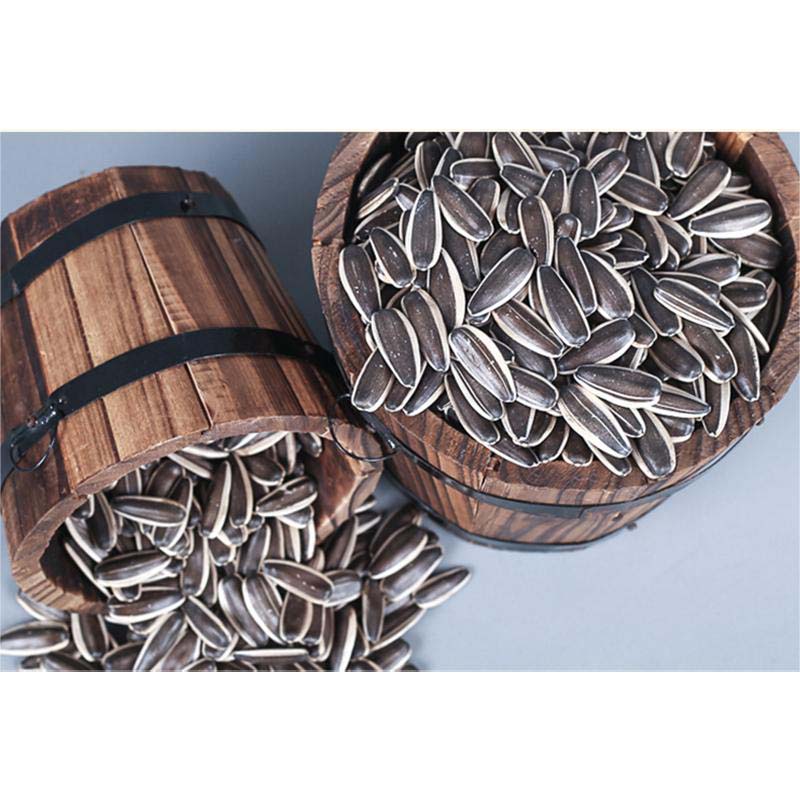
Sunflower seeds are comprised of a hull (pericarp) and a kernel (cotyledon). The pericarp consists primarily of cellulose, hemicellulose, and lignin, providing structural support. The kernel, constituting approximately 65-75% of the seed’s weight, is rich in oil (40-50%), protein (20-25%), and carbohydrates (10-15%). Oil composition is dominated by linoleic acid (60-70%), an omega-6 fatty acid, along with oleic acid (10-30%) and palmitic acid (3-6%). Manufacturing begins with agricultural cultivation, influenced heavily by genetics, soil composition, climate, and irrigation. Harvesting is critical; premature harvesting yields smaller seeds with lower oil content. Post-harvest processing involves cleaning to remove debris, drying to reduce moisture content (typically to 8-10% to inhibit mold growth), dehulling (optional, depending on the desired product form), sizing/grading, and potentially coating with seasonings. Drying is typically performed using forced-air systems, with temperature and airflow rates meticulously controlled to prevent thermal degradation of oils and proteins. Dehulling employs mechanical abrasion, requiring precise calibration to minimize kernel damage. Kernel moisture content is a paramount parameter, affecting both storage life and susceptibility to cracking during processing.
Performance & Engineering
The mechanical properties of sunflower seeds are crucial to processing efficiency and product quality. Kernel hardness, measured by compression testing, directly impacts dehulling performance and breakage rates. Hull strength dictates resistance to cracking during handling and transportation. Force analysis during dehulling operations focuses on minimizing stress concentration on the kernel to prevent damage. Environmental resistance is a key concern, particularly regarding moisture absorption and temperature fluctuations. High humidity accelerates lipid oxidation and fungal growth, while extreme temperatures can induce thermal stress and cracking. Compliance requirements include adherence to food safety regulations (e.g., FDA, EFSA) concerning mycotoxin levels (aflatoxins, ochratoxins), pesticide residues, and heavy metal contamination. Shelf life is engineered through controlled atmosphere packaging (modified atmosphere packaging – MAP) to reduce oxygen exposure and inhibit oxidation, often utilizing nitrogen flushing. Storage conditions (temperature and humidity) are rigorously controlled to maintain seed viability and prevent degradation. Transportation engineering focuses on minimizing impact forces to prevent kernel breakage and hull damage.
Technical Specifications
| Parameter | Unit | Typical Range | Test Method |
|---|---|---|---|
| Kernel Moisture Content | % (w/w) | 8.0 – 10.0 | Oven Drying (ASTM D2491) |
| Oil Content (Dry Basis) | % (w/w) | 40 – 55 | Soxhlet Extraction (AOCS Official Method) |
| Protein Content (Dry Basis) | % (w/w) | 20 – 28 | Kjeldahl Method (AOCS Official Method) |
| Kernel Hardness | N | 50 – 150 | Compression Testing (ASTM D695) |
| Aflatoxin B1 Level | ppb | < 20 | HPLC (AOAC Official Method) |
| Peroxide Value (Oil) | meq O2/kg | < 10 | Titration (AOCS Official Method) |
Failure Mode & Maintenance
Sunflower seeds are susceptible to several failure modes. Rancidity, caused by lipid oxidation, is a primary degradation pathway, leading to off-flavors and reduced nutritional value. This is accelerated by exposure to oxygen, light, and heat. Mycotoxin contamination, particularly by aflatoxins, poses a significant food safety risk, originating from fungal growth during pre- and post-harvest stages. Physical damage, including kernel cracking and hull breakage, occurs during harvesting, processing, and transportation, reducing product quality and increasing susceptibility to moisture absorption. Insect infestation can lead to significant losses, both through direct consumption and contamination. Maintenance strategies involve rigorous quality control throughout the supply chain – from seed selection and agricultural practices to controlled storage and transportation conditions. Proper drying and storage in airtight containers under cool, dry conditions are essential. Regular monitoring for mycotoxin levels and insect infestation is crucial. Employing appropriate packaging materials with oxygen barriers (e.g., metallized films) extends shelf life. Preventative maintenance of processing equipment (dehullers, dryers, sorters) minimizes physical damage. Temperature and humidity control in storage facilities are paramount to inhibit microbial growth and enzymatic activity.
Industry FAQ
Q: What are the critical control points for minimizing aflatoxin contamination in sunflower seeds?
A: Critical control points include careful field selection (avoiding fields with a history of aflatoxin issues), prompt harvesting after physiological maturity, thorough drying to reduce moisture content below 10%, effective cleaning to remove contaminated kernels, and proper storage in airtight containers to prevent mold growth. Regular testing for aflatoxin levels is paramount throughout the process.
Q: How does the oil content of sunflower seeds impact their shelf life?
A: Higher oil content increases susceptibility to rancidity due to lipid oxidation. Unsaturated fatty acids, particularly linoleic acid, are prone to oxidation. Packaging with oxygen barriers and the addition of antioxidants can mitigate this issue.
Q: What are the key differences between confectionary and oilseed sunflower varieties in terms of processing requirements?
A: Confectionary varieties require more gentle processing to preserve kernel integrity and appearance, minimizing breakage during dehulling. Oilseed varieties prioritize oil yield and may undergo more aggressive processing. Hulling may be less critical for oilseed varieties, depending on the extraction process.
Q: What is the significance of kernel hardness in relation to dehulling efficiency?
A: Higher kernel hardness generally requires more energy for dehulling, increasing the risk of kernel damage. Optimizing dehulling parameters (impact force, abrasion) is crucial to balance dehulling efficiency with kernel integrity.
Q: What role does packaging play in preserving the quality of fresh sunflower seeds?
A: Packaging provides a barrier against oxygen, moisture, light, and physical damage. Materials with low oxygen transmission rates (OTR) and low water vapor transmission rates (WVTR) are preferred. Modified atmosphere packaging (MAP) with nitrogen flushing can further extend shelf life by inhibiting oxidation.
Conclusion
Fresh sunflower seeds are a complex agricultural product requiring meticulous attention to detail throughout the entire supply chain. Maintaining optimal quality hinges on a deep understanding of their material science, precise control of manufacturing processes, and rigorous adherence to food safety standards. The interplay between kernel composition, environmental conditions, and processing parameters dictates shelf life, nutritional value, and consumer acceptability.
Continued research and development in areas such as improved seed genetics (for enhanced oil content and aflatoxin resistance), advanced processing technologies (for minimizing kernel damage), and innovative packaging solutions (for extending shelf life) will be vital to meet the growing demand for high-quality sunflower seeds in the global marketplace. Further standardization of quality control methodologies and implementation of robust traceability systems will also be critical for ensuring consumer confidence and facilitating international trade.
