Introduction
Sunflower seed samples represent a critical component in the agricultural commodity trading landscape and serve as foundational material for diverse industries, including food processing, animal feed, and biofuel production. These samples, often provided for quality assessment and contract negotiation, are subject to rigorous scrutiny regarding oil content, protein levels, moisture content, and overall seed integrity. The technical position of these samples within the supply chain is as a pre-shipment evaluation tool, influencing pricing, acceptance criteria, and logistical arrangements. Core performance characteristics revolve around germination rate (for seed destined for cultivation), oil yield (for edible oil production), and the absence of harmful contaminants such as aflatoxins and heavy metals. This guide provides a comprehensive technical overview of sunflower seed sample analysis, encompassing material science, manufacturing processes affecting seed quality, performance evaluation methodologies, potential failure modes, and relevant industry standards.
Material Science & Manufacturing
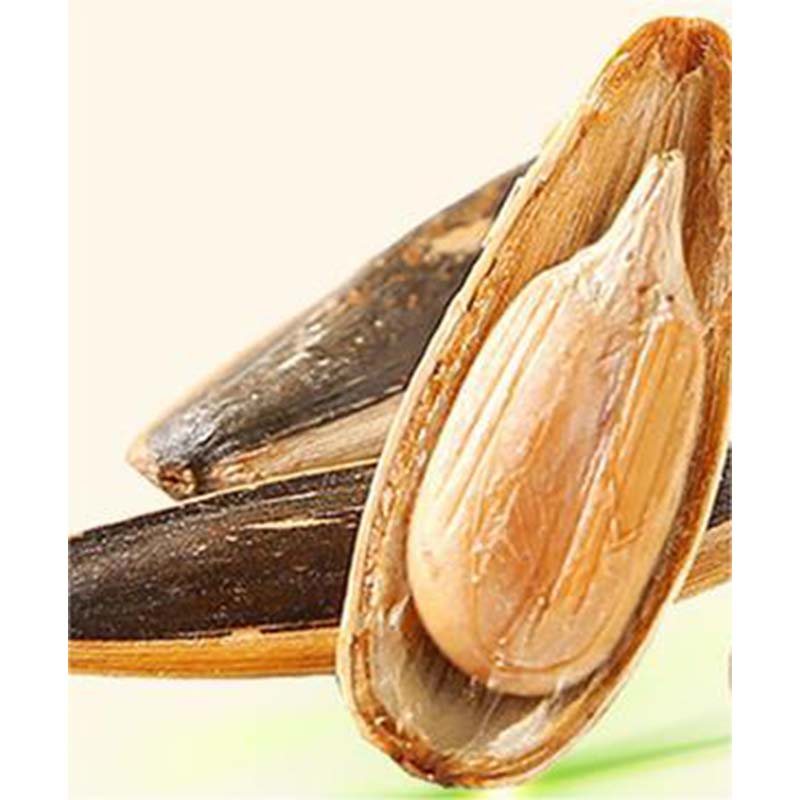
Sunflower seeds ( Helianthus annuus) are primarily composed of lipids (40-50% oil), proteins (18-25%), carbohydrates (15-20%), and fiber (5-10%), with trace amounts of vitamins and minerals. The oil is predominantly linoleic acid (a polyunsaturated omega-6 fatty acid) with oleic acid also present, influencing oxidative stability. The seed hull, or pericarp, provides physical protection and contributes to fiber content. Manufacturing processes significantly impact seed quality, beginning with agricultural practices. Hybrid seed development aims to maximize oil yield and disease resistance, but genetic factors also influence seed size and composition. Harvesting methods – mechanical vs. manual – affect seed damage and contamination levels. Drying is crucial to reduce moisture content to below 9% to prevent fungal growth and maintain germination viability. Seed cleaning utilizes screening, aspiration, and density separation to remove chaff, weed seeds, and other foreign materials. The oil extraction process, typically involving mechanical pressing or solvent extraction (hexane), leaves a residual oil content in the seed meal. Key parameter control during processing includes monitoring temperature (to avoid protein denaturation) and moisture levels (to optimize oil yield and prevent rancidity). Seed coating, sometimes applied, utilizes polymers and additives to improve flowability, protect against pests, or deliver nutrients.
Performance & Engineering
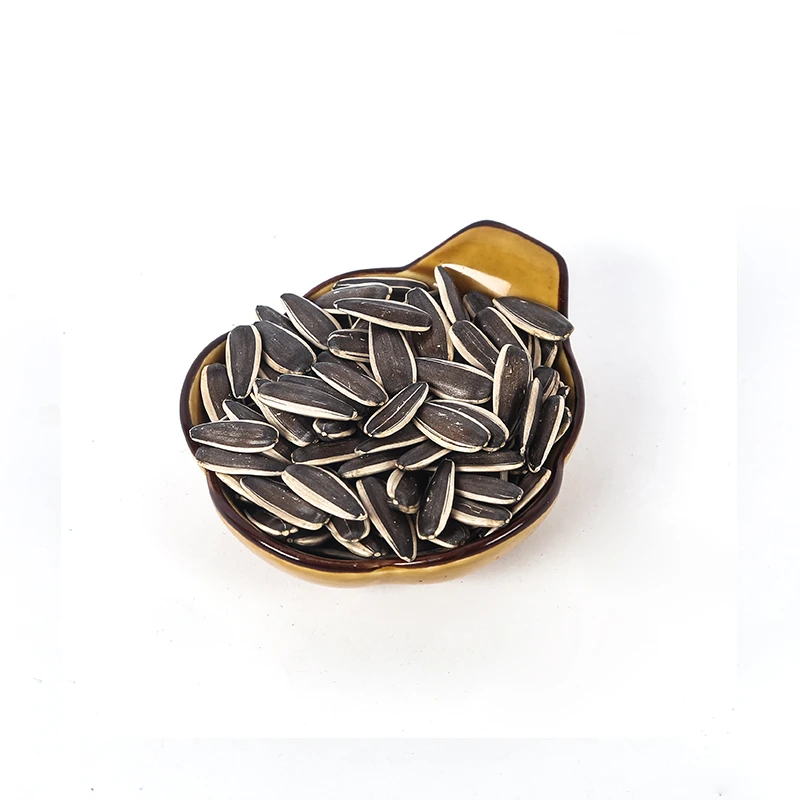
Performance evaluation of sunflower seed samples centers on quantifying key attributes influencing their downstream processing suitability. Oil content is determined through solvent extraction and expressed as a percentage by weight. Protein content is measured using the Kjeldahl method or near-infrared spectroscopy (NIRS). Moisture content is determined gravimetrically using oven drying. Germination rate, assessed under controlled laboratory conditions, indicates seed viability for cultivation purposes. Analysis for aflatoxins, produced by Aspergillus molds, is critical due to their carcinogenic potential; ELISA and HPLC are common detection methods. Fatty acid profile analysis, typically performed using gas chromatography, reveals the relative proportions of different fatty acids, impacting oil quality and nutritional value. Physical properties such as seed size, shape, and density are also assessed. Engineering considerations include storage stability; appropriate temperature and humidity control are vital to prevent lipid oxidation and maintain seed quality. Compliance requirements mandate adherence to maximum contaminant levels for pesticides, heavy metals (lead, cadmium), and mycotoxins as defined by regulatory bodies (e.g., FDA, EFSA). Force analysis during shelling (for edible seeds) assesses hull strength and seed breakage rates.
Technical Specifications
| Parameter | Unit | Typical Range (High-Quality Sample) | Test Method |
|---|---|---|---|
| Oil Content | % (dry weight) | 48-58 | AOAC 989.19 |
| Protein Content | % (dry weight) | 18-25 | Kjeldahl method (AOAC 978.05) |
| Moisture Content | % | < 9 | AOAC 925.10 |
| Germination Rate | % | > 85 | ISTA Procedure 200 |
| Aflatoxin B1 | ppb | < 5 | ELISA or HPLC |
| Acid Value | mg KOH/g | < 1.0 | AOAC 947.02 |
Failure Mode & Maintenance
Sunflower seed samples can experience several failure modes impacting their usability and value. Lipid oxidation, leading to rancidity, is a common issue exacerbated by exposure to oxygen, light, and elevated temperatures. Aflatoxin contamination can render a sample unusable for human or animal consumption. Physical damage, such as cracked or broken seeds, reduces oil yield and germination rates. Insect infestation can lead to seed loss and quality degradation. Moisture absorption can promote fungal growth and reduce shelf life. Failure analysis involves identifying the root cause of the degradation – whether it’s improper storage conditions, inherent seed quality issues, or contamination during handling. Maintenance solutions focus on preventative measures: storing samples in airtight containers in a cool, dark, and dry environment. Regular monitoring for moisture content and aflatoxin levels is essential. Implementing proper sanitation procedures during handling and processing minimizes the risk of contamination. For long-term storage, controlled atmosphere storage (reducing oxygen levels) can significantly extend shelf life. Periodic germination testing confirms seed viability, and damaged seeds should be removed to prevent further degradation.
Industry FAQ
Q: What is the acceptable level of hull content in a sunflower seed sample intended for edible oil production?
A: Typically, hull content should be below 10% by weight. Higher hull content reduces oil yield and increases refining costs due to the presence of non-oil components. Specific contractual agreements may stipulate more stringent limits based on the intended oil quality and refining process.
Q: How does seed maturity at harvest impact the oil content and quality of the sample?
A: Seeds harvested at physiological maturity exhibit optimal oil content and fatty acid profile. Prematurely harvested seeds have lower oil content and may contain higher levels of linolenic acid, which is less stable. Overmature seeds can experience field weathering and quality decline.
Q: What is the significance of the peroxide value in assessing the quality of a sunflower seed sample?
A: The peroxide value (PV) measures the extent of lipid oxidation. A higher PV indicates greater oxidation and lower oil quality. Typically, a PV below 10 meq O2/kg is considered acceptable for high-quality sunflower seed oil.
Q: Can you explain the impact of different drying methods on the final seed quality?
A: Rapid, high-temperature drying can cause cracking and reduce germination viability. Slow, low-temperature drying is preferred to preserve seed quality. Forced-air drying is a common method, but careful temperature control is crucial. Sun drying is less desirable due to the risk of contamination and uneven drying.
Q: What regulatory standards govern the acceptable levels of pesticides in sunflower seed samples intended for export?
A: Acceptable pesticide residue levels are governed by the importing country's regulations. The Codex Alimentarius Commission sets international standards, but individual countries (e.g., the EU, USA, Japan) often have more stringent requirements. Compliance requires thorough testing against these specific standards.
Conclusion
Sunflower seed sample analysis is a multifaceted process essential for ensuring quality and suitability for diverse applications. A thorough understanding of the material science, manufacturing processes, and performance parameters, coupled with adherence to rigorous testing methodologies and industry standards, is paramount. The detailed analysis presented herein provides a technical foundation for informed decision-making throughout the sunflower seed supply chain, from pre-shipment evaluation to final product quality control.
Future advancements in seed technology, such as improved drying techniques, enhanced genetic breeding for oil quality, and more sensitive detection methods for contaminants, will continue to refine the assessment process. Maintaining vigilance regarding emerging regulatory requirements and embracing innovative analytical tools will be critical for ensuring the sustained quality and safety of sunflower seed products.
