Introduction
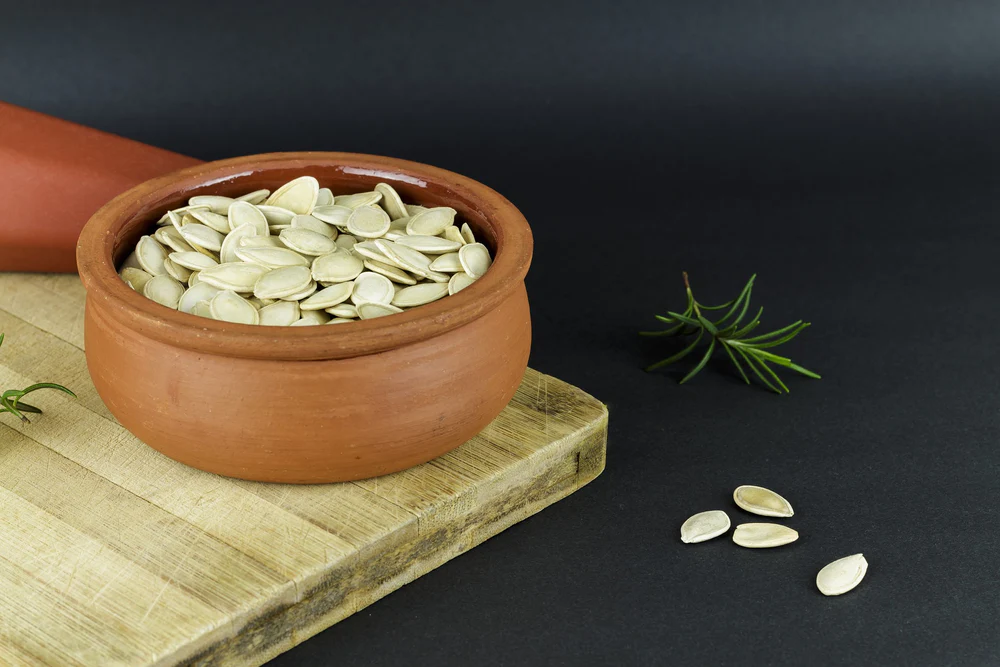
Flavor sunflower seeds represent a significant segment within the snack food industry, positioned between traditional commodity sunflower seeds and more complex confectionary offerings. Technically, they are processed Helianthus annuus seeds, subjected to a series of treatments—dehulling, roasting, flavoring, and coating—to enhance palatability and extend shelf life. Their industrial chain begins with agricultural production, transitions through primary processing (seed cleaning and grading), secondary processing (flavoring and coating application), and culminates in packaging and distribution. Core performance metrics center around seed integrity (minimizing broken kernels), flavor adhesion and uniformity, moisture content control (critical for shelf stability), and overall sensory experience. The industry faces challenges related to maintaining consistent flavor profiles, controlling acrylamide formation during roasting, ensuring food safety standards are met, and optimizing packaging to prevent oxidative degradation and moisture uptake.
Material Science & Manufacturing
The primary raw material, sunflower seeds, comprises approximately 30-40% oil (primarily linoleic acid), 20-25% protein, 15-20% carbohydrate (including fiber), and 5-10% moisture. Seed coat composition consists largely of cellulose, hemicellulose, and lignin, impacting dehulling efficiency. Flavoring agents vary widely, including salt (NaCl), sugars (sucrose, dextrose, maltodextrin), spices, hydrolyzed vegetable protein (HVP) for umami enhancement, and artificial or natural flavor compounds. Coating materials commonly utilize modified food starches, maltodextrin, and gums (e.g., gum arabic, xanthan gum) to provide adhesion and textural properties. Manufacturing begins with seed cleaning to remove debris. Dehulling employs mechanical abrasion, utilizing rotating drums or air classification. Roasting, typically conducted between 120-180°C, develops flavor through Maillard reactions and caramelization. This process requires precise temperature and time control to minimize acrylamide formation. Flavor application utilizes tumbling or spraying techniques, followed by a drying stage to reduce moisture content to <3%. Critical process parameters include seed moisture before roasting, roasting temperature and duration, flavor slurry viscosity, and drying air temperature. Chemical compatibility between flavoring agents and coating materials is vital to prevent phase separation or undesirable reactions.
Performance & Engineering
Performance assessment focuses on several key areas. Shear force analysis during consumption determines the ease of cracking the shell and extracting the kernel. Flavor adhesion strength, measured using tensile testing, quantifies the bond between the flavoring agent and the seed surface. Moisture content is crucial; excessive moisture promotes microbial growth and clumping, while insufficient moisture leads to brittleness. The water activity (aw) should be maintained below 0.6 to inhibit microbial proliferation. Packaging plays a critical engineering role. Barrier properties, specifically oxygen transmission rate (OTR) and water vapor transmission rate (WVTR), must be sufficient to prevent oxidative rancidity of the oil and moisture uptake. The package must also withstand the mechanical stresses of handling and transportation. Compliance requirements include adherence to FDA regulations for food additives and labeling, as well as allergen control protocols. Force analysis considers the impact of seed size and shape on shell cracking, impacting consumer experience. Environmental resistance is assessed through shelf-life studies, monitoring flavor degradation, oil rancidity (measured by peroxide value), and textural changes over time.
Technical Specifications
| Parameter | Unit | Typical Value | Test Method |
|---|---|---|---|
| Moisture Content | % w/w | 2.5 - 3.5 | AOAC 925.10 |
| Oil Content | % w/w | 35 - 45 | AOAC 920.85 |
| Salt Content | % w/w | 1.0 - 2.5 | Titration (Argentometric) |
| Water Activity (aw) | - | <0.6 | Water Activity Meter (e.g., Rotronic) |
| Flavor Adhesion Strength | N/cm | >0.8 | Tensile Testing (Instron) |
| Kernel Integrity (Broken Kernels) | % w/w | <5 | Visual Inspection/Sieving |
Failure Mode & Maintenance
Common failure modes include flavor loss (due to diffusion or sublimation), rancidity (caused by oxidation of unsaturated fatty acids), shell cracking during handling (resulting in broken kernels), clumping (due to moisture absorption), and microbial spoilage. Acrylamide formation during roasting is a chemical degradation failure mode, regulated due to its potential health risks. Failure analysis identifies root causes. Rancidity can be mitigated by using antioxidant packaging materials (e.g., metallized films) and nitrogen flushing to reduce oxygen levels. Shell cracking is addressed by optimizing handling procedures and using more robust packaging. Clumping is prevented by maintaining low moisture content and using desiccants in packaging. Microbial spoilage is controlled through sanitation practices and appropriate packaging barrier properties. Maintenance involves regular monitoring of moisture content, oil quality (peroxide value, acid value), and sensory attributes (flavor, texture). Proper storage conditions—cool, dry, and dark—are essential for maximizing shelf life. Routine packaging integrity checks (seal strength, leak testing) are also critical. Corrective actions involve adjusting roasting parameters, improving flavor adhesion techniques, and enhancing packaging protection.
Industry FAQ
Q: What is the primary driver of flavor loss in flavored sunflower seeds over time?
A: The primary driver of flavor loss is the diffusion of volatile flavor compounds through the packaging material and subsequent sublimation. This is exacerbated by higher temperatures and insufficient barrier properties of the packaging film. Maintaining a low headspace oxygen concentration through nitrogen flushing can help minimize oxidative degradation of flavor components.
Q: How can acrylamide formation during roasting be minimized without significantly impacting flavor development?
A: Acrylamide formation is influenced by roasting temperature, time, and seed moisture content. Lowering the roasting temperature and reducing roasting time are effective strategies, but can compromise flavor development. Pre-treating seeds with asparaginase (an enzyme that degrades asparagine, a precursor to acrylamide) can also reduce formation, and optimization of seed moisture content prior to roasting is crucial. Careful control of Maillard reaction kinetics is key.
Q: What packaging materials offer the best protection against oxidative rancidity?
A: Metallized films (e.g., metallized PET or OPP) combined with a polyethylene (PE) inner layer offer excellent barrier properties against oxygen and light, significantly reducing oxidative rancidity. Nitrogen flushing prior to sealing further minimizes oxygen levels. High-barrier coatings on standard films can also be used, but are generally less effective.
Q: What is the acceptable limit for broken kernels in a premium flavored sunflower seed product?
A: For premium products, the acceptable limit for broken kernels is typically less than 3% by weight. Higher percentages indicate potential issues with dehulling efficiency, handling practices, or seed quality. Broken kernels impact texture and sensory appeal and are often considered a quality defect.
Q: How is water activity (aw) related to the shelf life of flavored sunflower seeds?
A: Water activity (aw) is a critical factor in predicting shelf life. Lower aw values inhibit microbial growth and reduce the rate of chemical reactions, such as lipid oxidation. Maintaining an aw below 0.6 is generally recommended for flavored sunflower seeds to ensure long-term stability and prevent spoilage.
Conclusion
Flavor sunflower seeds represent a complex food product where material science, processing engineering, and packaging technology converge. Maintaining product quality and extending shelf life requires stringent control over each stage of the manufacturing process, from seed selection and roasting to flavoring application and packaging. Precise monitoring of key parameters like moisture content, oil quality, and water activity is essential.
Future development will likely focus on innovative flavoring techniques, enhanced barrier packaging materials utilizing bio-based polymers, and optimization of roasting processes to minimize acrylamide formation while preserving desirable flavor characteristics. Sustainability considerations, including reducing packaging waste and sourcing responsibly grown sunflower seeds, will also become increasingly important drivers of innovation within the industry.
