Introduction
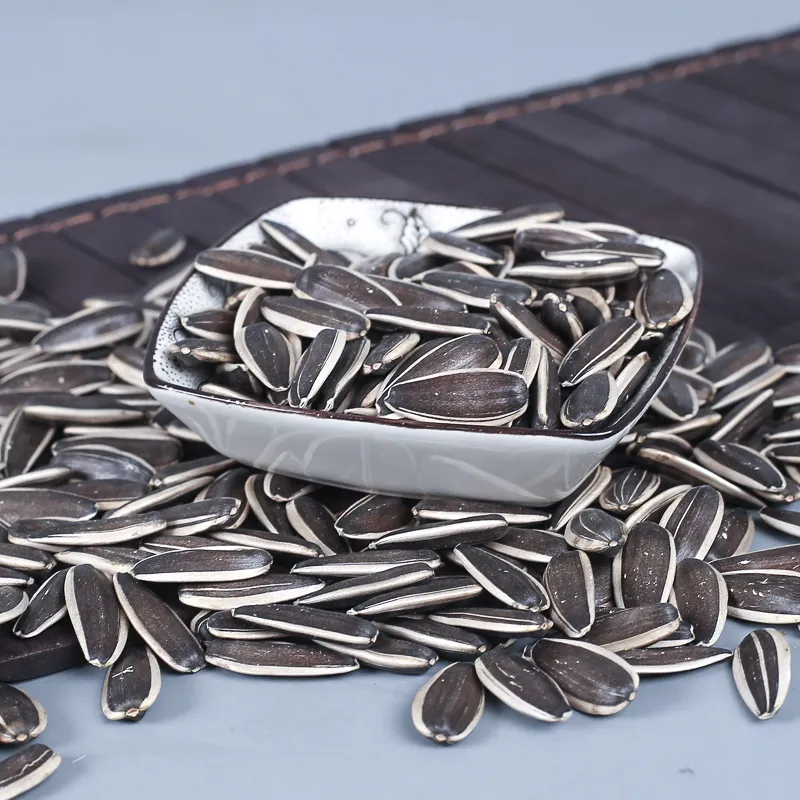
Edible melon seeds, derived primarily from watermelon ( Citrullus lanatus), muskmelon ( Cucumis melo), and other cucurbitaceous plants, represent a significant agricultural byproduct with increasing global consumption. Positioned within the food processing industry, specifically the snack food sector, melon seeds are valued for their nutritional profile and textural characteristics. These seeds undergo a series of processing steps – cleaning, drying, roasting, and seasoning – to achieve a commercially viable product. Core performance characteristics include oil content, protein levels, moisture content, and overall sensory attributes (taste, texture, and aroma). The industry faces challenges related to maintaining seed integrity during processing, ensuring consistent quality, minimizing acrylamide formation during roasting, and adhering to stringent food safety regulations. This guide provides an in-depth technical analysis of edible melon seeds, covering material science, manufacturing processes, performance parameters, failure modes, and relevant industry standards.
Material Science & Manufacturing
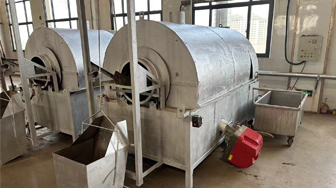
The primary constituents of edible melon seeds are lipids (30-50% by weight), proteins (20-30%), carbohydrates (10-20%), and fiber. The lipid fraction is dominated by unsaturated fatty acids, particularly linoleic acid (omega-6) and oleic acid (omega-9), contributing to their nutritional value. Proteins are characterized by a balanced amino acid profile. The seed coat, composed of cellulose and lignin, provides structural integrity. Manufacturing commences with harvesting and cleaning to remove debris. Drying, typically employing hot air ovens or fluidized bed dryers, reduces moisture content to below 7% for extended shelf life. This is a critical control point, as improper drying leads to mold growth and rancidity. Roasting, conducted at temperatures ranging from 120-180°C, develops flavor and enhances texture. The Maillard reaction, a non-enzymatic browning reaction between reducing sugars and amino acids, is key to flavor development, but can also generate undesirable compounds like acrylamide. Seasoning involves coating with salt, spices, and sometimes flavor enhancers. Key parameters during roasting require meticulous control of temperature, time, and airflow to avoid scorching and maintain optimal lipid oxidation levels. Seed variety significantly influences lipid composition and protein content, impacting processing characteristics and final product quality. The internal moisture gradient during drying must be carefully managed to prevent cracking and ensure uniform texture.
Performance & Engineering
Performance evaluation of edible melon seeds centers around several key engineering parameters. Tensile strength, assessed using a universal testing machine, determines the resistance of the seed to cracking during processing and consumption. Seeds with higher tensile strength withstand mechanical stress better. Oil extraction efficiency, typically measured using Soxhlet extraction or solvent extraction methods, is crucial for maximizing yield. Moisture content, monitored using a moisture analyzer, directly impacts shelf life and textural characteristics. Water Activity (Aw), a measure of unbound water, is a critical indicator of microbial stability. Environmental resistance is evaluated by assessing oxidative stability using Rancimat testing, which measures the induction time before rancidity develops. Compliance requirements mandate adherence to food safety standards such as HACCP (Hazard Analysis and Critical Control Points) and GMP (Good Manufacturing Practices). Functional implementation focuses on minimizing acrylamide formation during roasting through optimization of roasting parameters and potentially employing acrylamide-reducing additives. The thermal conductivity of the seeds affects the uniformity of roasting. Packaging materials must provide an effective oxygen barrier to prevent lipid oxidation and maintain flavor integrity. Force analysis during mechanical sorting processes (e.g., size grading) requires understanding the impact forces to minimize seed damage.
Technical Specifications
| Parameter | Watermelon Seeds | Muskmelon Seeds | Honeydew Melon Seeds | Units |
|---|---|---|---|---|
| Moisture Content | 6.5 | 5.8 | 7.2 | % |
| Oil Content (Dry Basis) | 48 | 52 | 45 | % |
| Protein Content (Dry Basis) | 25 | 28 | 26 | % |
| Linoleic Acid (%) | 55 | 60 | 50 | % of Total Fatty Acids |
| Tensile Strength | 1.8 | 2.1 | 1.5 | MPa |
| Water Activity (Aw) | 0.65 | 0.60 | 0.70 | - |
Failure Mode & Maintenance
Common failure modes in edible melon seeds encompass several categories. Rancidity, resulting from lipid oxidation, is a primary concern, manifested by off-flavors and odors. This is exacerbated by exposure to oxygen, light, and elevated temperatures. Cracking, often occurring during drying or roasting, reduces product quality and increases fines. The root cause is typically uneven moisture distribution or excessive thermal stress. Acrylamide formation, a carcinogenic compound, arises during high-temperature roasting, particularly with reducing sugar content. Microbial contamination, leading to mold growth and toxin production, can occur if moisture content is not adequately controlled. Physical damage during handling and processing (e.g., chipping, breaking) reduces aesthetic appeal. Maintenance strategies prioritize controlling storage conditions: low temperature (below 25°C), low humidity (below 60%), and airtight packaging. Regular monitoring of moisture content and peroxide value (an indicator of lipid oxidation) is essential. Optimizing roasting parameters to minimize acrylamide formation is crucial. Implementing robust cleaning and sanitation procedures prevents microbial contamination. Careful handling and transportation minimize physical damage. Preventative maintenance of processing equipment (dryers, roasters) ensures consistent performance and reduces the risk of defects.
Industry FAQ
Q: What is the optimal moisture content for long-term storage of roasted melon seeds?
A: The optimal moisture content for long-term storage is generally below 6.5%. Higher moisture levels promote microbial growth and accelerate lipid oxidation, leading to rancidity. Maintaining a low water activity (Aw) is also critical, ideally below 0.65.
Q: How can acrylamide formation be minimized during the roasting process?
A: Acrylamide formation can be minimized by reducing roasting temperature and time, controlling the sugar content of the seeds, and using antioxidants or acrylamide-reducing additives. Optimizing airflow during roasting also helps to dissipate heat evenly and reduce localized overheating.
Q: What are the key indicators of lipid oxidation in melon seeds?
A: Key indicators of lipid oxidation include peroxide value (PV), acid value (AV), and sensory evaluation for rancidity. A rising peroxide value signifies the initiation of oxidation, while an increasing acid value indicates the progression of rancidity. Sensory analysis can detect off-flavors and odors associated with lipid oxidation.
Q: What types of packaging materials are most suitable for preserving the quality of edible melon seeds?
A: Packaging materials with excellent oxygen and moisture barrier properties are essential. Examples include multilayer films composed of polyethylene (PE), polypropylene (PP), and aluminum foil. Modified atmosphere packaging (MAP), employing nitrogen flushing, can further extend shelf life by reducing oxygen levels.
Q: How does seed variety affect the nutritional composition and processing characteristics of edible melon seeds?
A: Seed variety significantly influences oil content, protein content, and fatty acid profile. For instance, some watermelon varieties yield seeds with higher oleic acid content, considered more stable during storage. The seed coat thickness and composition also affect drying rates and cracking susceptibility.
Conclusion
Edible melon seeds represent a complex agricultural product requiring careful attention to material science, manufacturing processes, and quality control. Maintaining optimal moisture content, controlling lipid oxidation, minimizing acrylamide formation, and ensuring adherence to food safety standards are paramount for producing a high-quality, safe, and palatable product. The selection of appropriate seed varieties and packaging materials are equally crucial for optimizing performance and extending shelf life.
Future research should focus on developing innovative processing techniques to further reduce acrylamide formation, enhance antioxidant activity, and improve the sensory attributes of melon seeds. Exploring novel packaging materials with enhanced barrier properties and investigating the potential of seed coat modifications to improve texture and digestibility also represent promising avenues for future development. Ultimately, a thorough understanding of the underlying scientific principles is essential for optimizing the production and application of this versatile food ingredient.
