Introduction
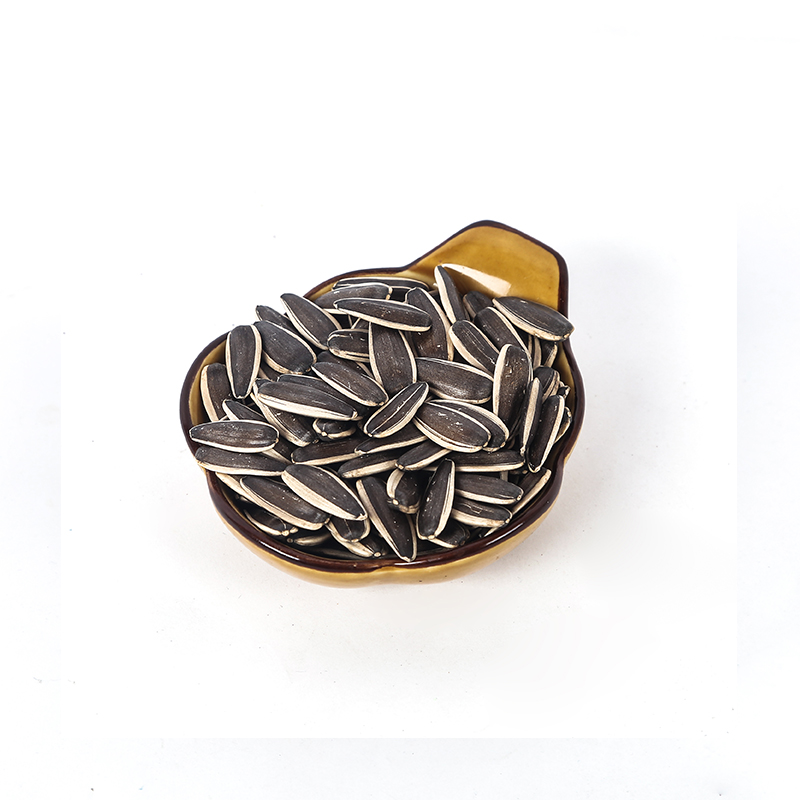
Customized sunflower seeds represent a specialized segment within the agricultural commodities market, focusing on tailored genetic profiles and processing parameters to meet specific end-use requirements. Unlike commodity sunflower seeds primarily destined for oil extraction, customized seeds cater to diverse applications including confectionary (in-shell consumption), roasting, bird feed, and emerging industrial uses. This specialization involves precise control over seed size, oil content, fatty acid profiles, hull characteristics, and resistance to disease. The technical position within the supply chain necessitates collaboration between breeders, seed producers, processors, and end-users. Core performance characteristics, including germination rate, oil yield, protein content, and the presence of specific desirable compounds (e.g., Vitamin E, phytosterols), are critical determinants of market value and application suitability. The industry currently faces challenges relating to consistent genetic purity, optimizing seed coatings for improved handling and planting, and meeting evolving consumer demands for non-GMO and organic options.
Material Science & Manufacturing
The foundation of customized sunflower seeds lies in the material science of Helianthus annuus. The seed itself is a complex biological structure composed of the embryo, endosperm (containing oil and protein storage reserves), and the hull (pericarp). Raw material selection begins with identifying sunflower lines possessing desirable traits. Breeding programs utilize both traditional methods (selection, hybridization) and molecular markers for accelerated genetic improvement. The hull's composition is primarily cellulose and lignin, influencing its resistance to cracking during processing and its contribution to the seed's overall protective barrier. Oil content, typically ranging from 40-50% (dry weight basis), is primarily triglycerides with varying fatty acid compositions – oleic, linoleic, palmitic, and stearic acids – impacting nutritional value and stability. Manufacturing involves several stages: seed conditioning (cleaning, grading), genetic modification (if applicable, adhering to regulatory guidelines), seed coating (polymer-based formulations containing fungicides, insecticides, and nutrients), and packaging. Precise parameter control during coating application is vital to ensure uniform coverage, dosage accuracy, and seed flowability. Seed dormancy is controlled through after-ripening and storage conditions (temperature, humidity). Moisture content is critically monitored to prevent fungal growth and maintain viability. Chemical compatibility between seed components and coating materials is paramount to avoid degradation of active ingredients or germination inhibition. Failure to control these factors can result in reduced germination rates, compromised oil quality, and increased susceptibility to pest and disease.
Performance & Engineering
Performance evaluation of customized sunflower seeds encompasses several engineering principles. Force analysis focuses on hull strength during dehulling, a critical parameter for confectionary seed processing. Excessive hull breakage leads to kernel damage and reduced quality. Environmental resistance considers the seed’s ability to withstand temperature fluctuations, humidity, and UV exposure during storage and transport. Seed coatings play a crucial role in enhancing this resistance. Germination rate is assessed under controlled conditions, adhering to standards outlined by the International Seed Testing Association (ISTA). Oil yield is determined through solvent extraction and quantified using established analytical techniques. Compliance requirements vary by region and intended use; for example, seeds destined for organic markets must meet stringent certification standards. Functional implementation, specifically relating to oil processing, involves understanding the impact of fatty acid profiles on oil stability, refining processes, and final product characteristics. The engineering of seed coatings to deliver precise amounts of pesticides or nutrients requires an understanding of diffusion rates and polymer degradation mechanisms. Furthermore, the structural integrity of the seed during mechanical handling (planting, harvesting) is engineered through careful consideration of hull thickness and seed size distribution. Optimizing seed size uniformity reduces jamming in planting equipment and improves planting precision. Fatty acid composition impacts cold flow properties and oxidative stability of the resulting oil.
Technical Specifications
| Parameter | Unit | Typical Range | Test Method |
|---|---|---|---|
| Oil Content | % (dry weight basis) | 40-55 | AOAC Official Method 983.23 |
| Oleic Acid Content | % of total fatty acids | 10-80 | Gas Chromatography (GC-FID) |
| Linoleic Acid Content | % of total fatty acids | 10-60 | Gas Chromatography (GC-FID) |
| Germination Rate | % | >85 | ISTA Procedure 7004 |
| Seed Size (Diameter) | mm | 8-12 | Seed Sizer/Image Analysis |
| Hull Percentage | % (seed weight) | 20-35 | Manual Separation & Weighing |
Failure Mode & Maintenance
Failure modes in customized sunflower seeds manifest throughout the lifecycle. Premature germination during storage (induced by high moisture content or improper temperature control) results in reduced viability. Mechanical damage during harvesting and processing (cracking, chipping) reduces seed quality and increases susceptibility to fungal infection. Fungal contamination (e.g., Sclerotinia, Rhizopus) leads to mycotoxin production, rendering the seeds unsuitable for consumption. Lipid peroxidation (oxidation of unsaturated fatty acids) during storage degrades oil quality, resulting in rancidity and reduced nutritional value. Insect infestation (e.g., storage pests) causes seed loss and contamination. Delamination of seed coatings reduces the effectiveness of applied protectants and nutrients. Maintenance strategies include meticulous seed drying to achieve optimal moisture content (typically 8-10%), proper storage in cool, dry, and well-ventilated facilities, regular pest monitoring and control programs, and implementation of quality control measures throughout the processing chain. Seed treatments with fungicides and insecticides can prevent fungal growth and insect infestation. Antioxidants can be incorporated into seed coatings to mitigate lipid peroxidation. Regular quality assessments (germination rate, oil content, mycotoxin levels) are essential for identifying and addressing potential issues before they escalate. Preventative maintenance of processing equipment (cleaners, graders, coaters) is also critical for minimizing mechanical damage.
Industry FAQ
Q: What is the impact of different seed coatings on planting precision and seedling establishment?
A: Seed coatings significantly influence planting precision. Uniform coating thickness and particle size distribution ensure consistent seed flow through pneumatic planters, minimizing skips and doubles. Coating materials with appropriate adhesive properties prevent coating loss during handling and planting. Seed coatings containing plant growth promoters (e.g., humic acids, micronutrients) can enhance seedling establishment by providing early access to essential nutrients. However, excessively thick or brittle coatings can hinder germination. Optimizing coating formulation and application parameters is crucial.
Q: How do different fatty acid profiles affect the shelf life and industrial applications of sunflower oil?
A: Higher oleic acid content increases oil stability and resistance to oxidation, resulting in a longer shelf life. High-oleic oils are preferred for frying and high-temperature applications. Linoleic acid, while essential, is more prone to oxidation. Oil with a balanced ratio of oleic and linoleic acids is suitable for salad oils and general food applications. Specific fatty acid profiles are also engineered for industrial uses, such as alkyd resins and biodiesel production.
Q: What are the key considerations for ensuring genetic purity in customized sunflower seed production?
A: Maintaining genetic purity requires rigorous quality control measures throughout the breeding and seed production process. This includes isolation of breeding plots to prevent cross-pollination, thorough field inspections to identify and rogue off-types, and post-harvest seed analysis using molecular markers to confirm genetic identity. Seed multiplication should be conducted in designated areas with strict adherence to seed production standards.
Q: How do storage conditions impact seed viability and oil quality over extended periods?
A: Seed viability and oil quality are highly sensitive to storage conditions. High moisture content promotes fungal growth and reduces germination rate. Elevated temperatures accelerate metabolic processes, leading to seed aging and loss of viability. Exposure to oxygen and light promotes lipid peroxidation, degrading oil quality. Optimal storage conditions involve low temperature (4-10°C), low humidity (below 60%), and protection from light and oxygen. Regular monitoring of seed moisture content and oil quality is recommended.
Q: What regulatory considerations apply to the production and sale of genetically modified (GM) sunflower seeds?
A: The production and sale of GM sunflower seeds are subject to stringent regulatory oversight by national and international agencies (e.g., USDA, EPA, FDA in the US; EFSA in Europe). These regulations encompass risk assessments, labeling requirements, and traceability protocols. Compliance with these regulations is essential for market access. Furthermore, consumer acceptance of GM crops varies widely, necessitating careful consideration of market preferences.
Conclusion
Customized sunflower seeds represent a sophisticated application of agricultural biotechnology and seed science, demanding precise control over genetic factors, manufacturing processes, and storage conditions. The industry's core challenge lies in balancing the demand for tailored seed characteristics with the need for economic viability and regulatory compliance. Achieving optimal performance requires a holistic approach encompassing robust breeding programs, advanced seed coating technologies, meticulous quality control, and a thorough understanding of seed physiology and oil chemistry.
Future development will likely focus on enhancing seed resistance to biotic and abiotic stresses, improving oil quality through targeted genetic modifications, and developing sustainable seed production practices. The integration of digital technologies, such as precision agriculture and data analytics, will further optimize seed performance and resource utilization. Collaboration between researchers, breeders, and end-users will be critical for driving innovation and addressing the evolving needs of the market.
