Introduction
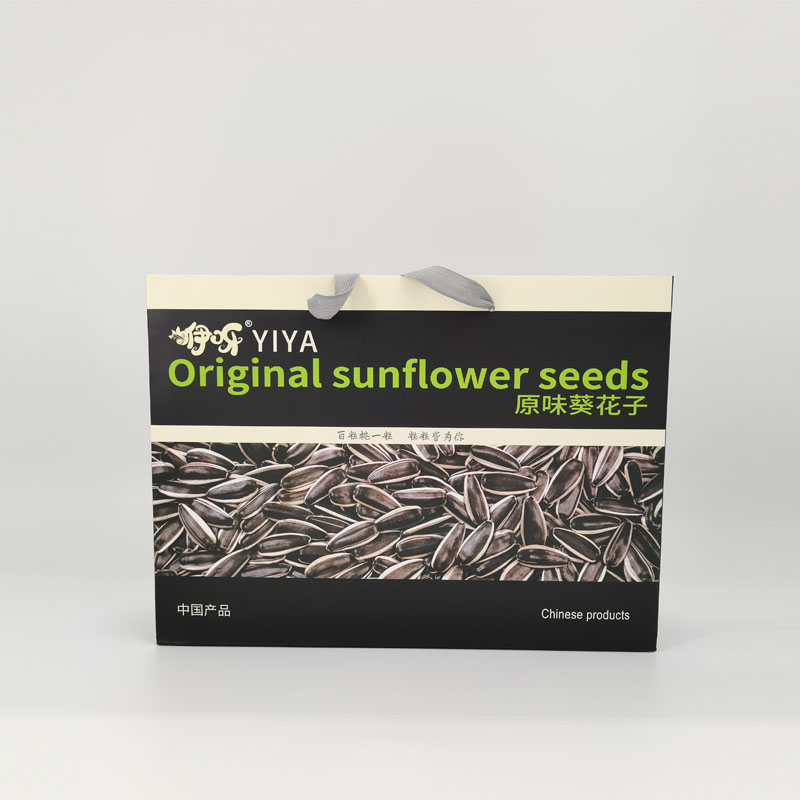
Customized packing for sunflower seeds represents a critical component of the agricultural supply chain, extending beyond simple containment to encompass preservation of seed viability, protection during distribution, and brand differentiation. This guide provides a comprehensive technical overview of the materials, manufacturing processes, performance characteristics, and failure modes associated with customized sunflower seed packaging. Sunflower seed packaging demands a nuanced understanding of seed physiology, moisture permeability requirements, and mechanical stress tolerances. The industry faces core challenges including maintaining germination rates during prolonged storage, preventing lipid oxidation and rancidity, and complying with stringent food safety regulations. Successful packaging solutions necessitate a holistic approach, considering both the physical protection of the seed and the maintenance of its inherent quality attributes. This document aims to provide detailed insight for procurement managers, packaging engineers, and quality control personnel involved in the sunflower seed industry.
Material Science & Manufacturing
The primary materials utilized in customized sunflower seed packaging encompass polymeric films (polyethylene, polypropylene, polyester), aluminum foil laminates, paper-based materials (kraft paper, coated paperboard), and printing inks. Polyethylene (PE) offers excellent moisture barrier properties and cost-effectiveness, but exhibits limited oxygen barrier performance. Polypropylene (PP) demonstrates higher temperature resistance than PE and improved clarity. Polyester (PET) provides superior tensile strength and clarity, often used as a lamination layer for enhanced barrier characteristics. Aluminum foil offers an almost impermeable barrier to moisture, oxygen, and light, crucial for preserving seed viability. Manufacturing processes vary based on packaging format. Form-fill-seal (FFS) utilizes continuous film webs formed into pouches or bags. Thermoforming involves heating plastic sheets and shaping them using molds. Paperboard boxes are manufactured through folding, gluing, and die-cutting processes. Key parameter control during manufacturing includes film thickness consistency (±1% variation), laminate adhesion strength (minimum 10 N/mm), printing ink adhesion (minimum 5 N/mm), and seal integrity (zero leaks under pressure testing). Moisture content in the seeds prior to packaging is critical, typically maintained below 8% to prevent microbial growth and lipid degradation. Seed oil content, which averages 40-50% in most varieties, dictates the need for oxygen barrier materials to prevent rancidity. Chemical compatibility between the packaging material and the seed oil is paramount to avoid leaching or off-flavor development.
Performance & Engineering
Performance characteristics of sunflower seed packaging are assessed through several key metrics. Tensile strength, measured according to ASTM D882, determines the package's resistance to tearing during handling and transportation. Puncture resistance, evaluated by ASTM D1003, assesses the package’s ability to withstand sharp impacts. Seal strength, as per ASTM F88, ensures package integrity during storage and transport. Barrier properties, including Oxygen Transmission Rate (OTR) and Water Vapor Transmission Rate (WVTR), are critical for maintaining seed viability. OTR is measured using ASTM D3985, and WVTR is assessed via ASTM E96. Low OTR values (typically < 1 cc/package/day) are essential for preventing lipid oxidation. Low WVTR values (typically < 3 g/m²/day) are needed to prevent moisture uptake. Force analysis during filling and sealing operations dictates the required material thickness and sealing parameters. Environmental resistance tests include exposure to simulated sunlight (ASTM G154) to assess UV degradation, temperature cycling (-20°C to 50°C) to evaluate material brittleness, and humidity testing (85% RH) to assess moisture barrier performance. Compliance requirements vary by region, often involving regulations regarding food contact materials (FDA in the US, EFSA in Europe) and packaging waste management (e.g., Extended Producer Responsibility schemes).
Technical Specifications
| Material | Thickness (µm) | Tensile Strength (MPa) | OTR (cc/m²/day) | WVTR (g/m²/day) | Seal Strength (N/mm) |
|---|---|---|---|---|---|
| Polyethylene (PE) | 80 | 20 | 150 | 5 | 2.5 |
| Polypropylene (PP) | 60 | 35 | 80 | 3 | 3.0 |
| Polyester (PET) | 12 | 60 | 5 | 1 | 4.0 |
| Aluminum Foil | 9 | 70 | 0.1 | 0.05 | N/A (heat seal only) |
| PE/PET Laminate | 100 | 45 | 10 | 2 | 3.5 |
| PE/Aluminum Foil Laminate | 110 | 40 | 0.5 | 1 | 3.2 |
Failure Mode & Maintenance
Common failure modes in sunflower seed packaging include puncture damage during handling, seal failures leading to moisture ingress or oxygen exposure, laminate delamination reducing barrier performance, and material degradation due to UV exposure or temperature fluctuations. Fatigue cracking can occur in flexible packaging during repeated bending and flexing. Delamination is often caused by inadequate adhesive strength between laminate layers or exposure to solvents. Oxidation of the packaging material can lead to brittleness and loss of barrier properties. Maintenance primarily focuses on proper storage conditions. Packaging materials should be stored in a cool, dry environment, away from direct sunlight. Regular inspection of packaged seeds is crucial to identify any signs of seal failure or material degradation. Quality control measures during manufacturing, including seal integrity testing and barrier property assessments, are essential for preventing premature failures. Implementing a first-in, first-out (FIFO) inventory management system minimizes the storage time and reduces the risk of degradation. For laminated structures, ensuring proper adhesive selection and application is crucial to prevent delamination. Protective overpackaging or palletization can mitigate the risk of puncture damage during transportation.
Industry FAQ
Q: What is the optimal OTR for long-term sunflower seed storage (over 12 months)?
A: For long-term storage exceeding 12 months, an OTR of less than 0.5 cc/package/day is recommended. This minimizes lipid oxidation and maintains germination rates. Utilizing an aluminum foil laminate or a high-barrier coating is crucial to achieve such low OTR values.
Q: How does humidity affect the performance of paper-based packaging for sunflower seeds?
A: High humidity significantly compromises the performance of paper-based packaging. Paper readily absorbs moisture, reducing its structural integrity and providing a pathway for moisture to reach the seeds. Coating the paperboard with a moisture-resistant layer (e.g., polyethylene) is essential for maintaining its protective function in humid environments.
Q: What are the key considerations when selecting printing inks for sunflower seed packaging?
A: Printing inks must be food-grade compliant and exhibit excellent adhesion to the packaging material. Low migration inks are preferred to minimize the risk of chemical transfer to the seeds. Resistance to abrasion and fading is also important for maintaining brand visibility throughout the supply chain.
Q: What is the recommended storage temperature range for packaged sunflower seeds to maximize shelf life?
A: A storage temperature between 10°C and 20°C (50°F to 68°F) is generally recommended. Lower temperatures slow down metabolic processes and lipid oxidation. Maintaining a stable temperature and avoiding fluctuations is also crucial.
Q: What tests should be conducted to verify the seal integrity of a form-fill-seal packaged sunflower seed product?
A: Seal integrity should be verified using a leak test, typically employing a dye penetration test or a pressure decay test. Visual inspection of the seal area is also important to identify any obvious defects. Regular testing throughout the production run is critical to ensure consistent seal quality.
Conclusion
Customized sunflower seed packaging is a multifaceted engineering challenge that necessitates a detailed understanding of material science, manufacturing processes, and seed physiology. Achieving optimal performance requires careful selection of packaging materials, precise control of manufacturing parameters, and rigorous quality control measures. The primary goals of effective packaging are to preserve seed viability, prevent lipid oxidation, and ensure product safety throughout the supply chain.
Future developments in sunflower seed packaging will likely focus on sustainable materials, active packaging technologies (e.g., oxygen absorbers), and intelligent packaging solutions that provide real-time monitoring of storage conditions. The industry's ongoing commitment to innovation will be critical for meeting the evolving demands of consumers and ensuring the long-term viability of the sunflower seed market.
