Introduction
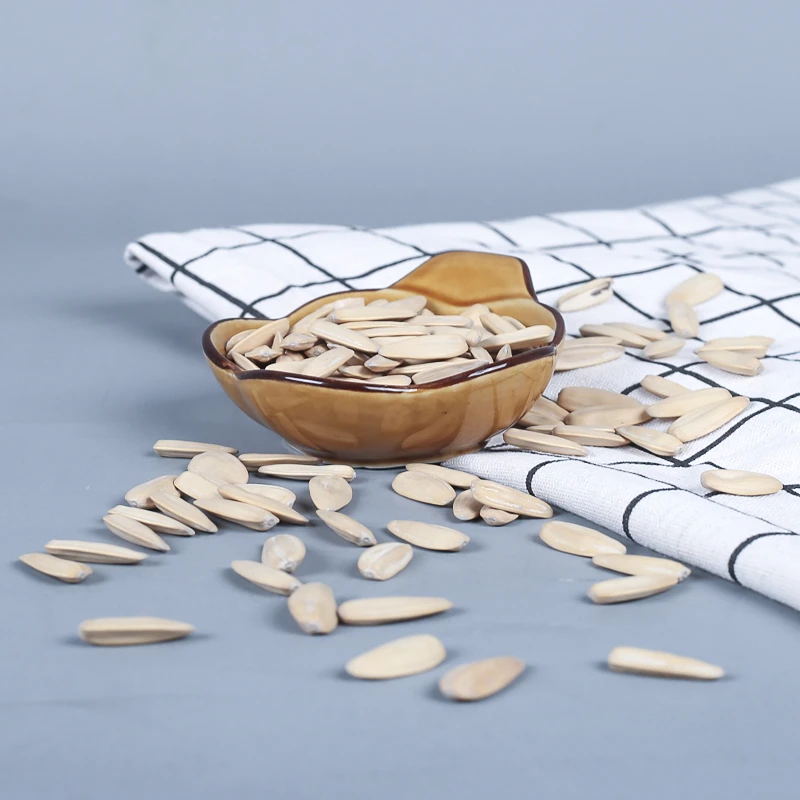
Chrysanthemum flavor sunflower seeds represent a specialized segment within the broader sunflower seed industry, characterized by the infusion of chrysanthemum extract onto processed sunflower seeds. This product targets consumers seeking novel flavor profiles beyond traditional salted or spiced options. Technically, the process involves post-harvest treatment of sunflower seeds ( Helianthus annuus ) with chrysanthemum extracts, typically derived from Chrysanthemum morifolium. The technical position within the food chain resides post-harvest processing, falling under the purview of snack food manufacturing. Core performance characteristics are defined by the uniformity of flavor coating, seed integrity (minimizing cracked or broken seeds), moisture content (impacts shelf life and texture), and the sensory attributes imparted by the chrysanthemum flavoring – aroma, taste, and mouthfeel. The key industry pain point revolves around maintaining consistent flavor delivery and preventing flavor degradation during storage, coupled with ensuring the chrysanthemum extract doesn't negatively affect seed texture or promote lipid oxidation.
Material Science & Manufacturing
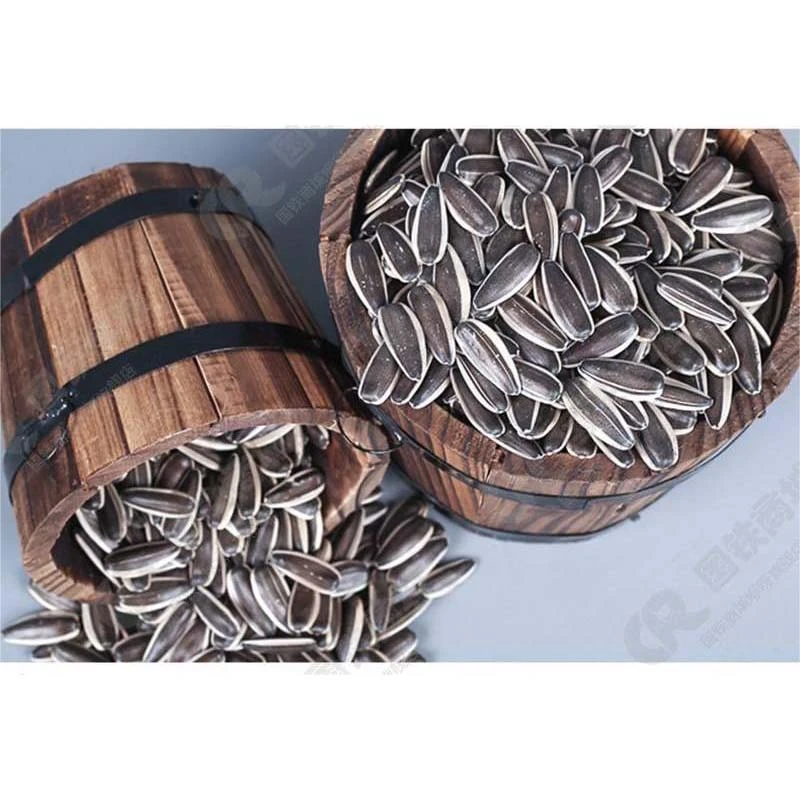
The primary raw material, sunflower seeds, comprises a seed coat (pericarp) composed primarily of cellulose and lignin, providing structural integrity. The kernel consists of approximately 50-60% oil, mainly linoleic acid, oleic acid, and palmitic acid, contributing to the characteristic flavor and texture. Chrysanthemum extracts are complex mixtures containing flavonoids (luteolin, apigenin), terpenoids, and phenolic acids. These compounds are responsible for the flavor and aroma but also exhibit antioxidant properties. Manufacturing begins with cleaning and grading sunflower seeds to remove foreign material and broken kernels. The crucial step is flavor application. This typically employs a drum coating process where sunflower seeds are tumbled in a rotating drum while a precise amount of chrysanthemum flavoring solution is sprayed onto the seeds. Critical parameters include drum speed (influences coating uniformity), spray nozzle size and pressure (determines droplet size and distribution), solution viscosity (affected by extract concentration and carrier medium - typically maltodextrin or gum arabic), and drying temperature (controls solvent evaporation and prevents seed damage). Drying utilizes controlled-temperature air flow, ensuring moisture content reaches a target of 3-5% for optimal shelf stability. Further processing may include seasoning (salt, sugar) and packaging under modified atmosphere (nitrogen flush) to minimize oxidation. Chemical compatibility between the chrysanthemum extract components and the seed oil must be considered to prevent undesirable reactions and off-flavor development. The extract's pH must also be controlled as extreme values can affect seed protein stability.
Performance & Engineering
The performance of chrysanthemum flavor sunflower seeds is dictated by several engineering principles. Force analysis relates to seed coat strength and brittleness. Excessive force during handling or chewing leads to kernel fragmentation, impacting texture. Environmental resistance focuses on moisture uptake and oxygen permeability. The packaging material (typically flexible films) must provide a sufficient barrier to prevent moisture ingress (leading to seed softening and flavor loss) and oxygen exposure (causing lipid oxidation and rancidity). Compliance requirements are governed by food safety regulations (FDA in the US, EFSA in Europe, GB standards in China) regarding permissible levels of chrysanthemum extract components and allowable packaging materials. Specifically, the concentration of any potentially allergenic compounds in the extract must be meticulously monitored. Furthermore, packaging must comply with regulations concerning migration of packaging components into the food product. Flavor adhesion strength is a critical functional aspect. Poor adhesion results in flavor loss during transport and handling. This is quantified via shear testing of coated seeds, measuring the force required to remove the coating. The rheological properties of the coating solution (viscosity, surface tension) directly influence adhesion. Particle size distribution of the chrysanthemum extract also plays a role; finer particles generally promote better adhesion. Shelf life is modeled using accelerated aging studies, assessing changes in moisture content, peroxide value (indicator of lipid oxidation), and sensory attributes over time at elevated temperatures.
Technical Specifications
| Parameter | Unit | Specification | Test Method |
|---|---|---|---|
| Moisture Content | % | 3.0 – 5.0 | Oven Drying (AOAC 925.10) |
| Chrysanthemum Extract Content | % (w/w) | 0.8 – 1.5 | HPLC-DAD |
| Peroxide Value (PV) | meq O2/kg | < 5.0 | AOCS Cd 8-53 |
| Seed Integrity (Broken Kernels) | % | < 2.0 | Visual Inspection |
| Water Activity (aw) | - | < 0.65 | Water Activity Meter |
| Flavor Adhesion Strength | N/cm | > 0.5 | Shear Testing |
Failure Mode & Maintenance
Failure modes in chrysanthemum flavor sunflower seeds are multifaceted. Rancidity, caused by lipid oxidation, is a primary concern. This manifests as an off-flavor and odor, reducing product acceptability. Oxidation is accelerated by exposure to oxygen, light, and elevated temperatures. Flavor degradation occurs as volatile flavor compounds from the chrysanthemum extract evaporate or chemically degrade over time. This is particularly prominent in inadequately sealed packaging. Coating delamination results in uneven flavor distribution and a diminished sensory experience. Delamination can be caused by poor adhesion due to improper coating parameters or incompatibility between the extract and seed surface. Seed cracking or breakage during processing or handling compromises texture and visual appeal. This is linked to seed maturity, drying rate, and mechanical stress. Maintenance focuses on preventative measures. Proper storage conditions – cool, dry, and dark – are critical. Packaging should employ high-barrier materials (e.g., metallized films) to minimize oxygen and moisture ingress. Regular quality control checks, including peroxide value monitoring and sensory evaluation, are essential to detect early signs of degradation. First-in, first-out (FIFO) inventory management minimizes storage time. Consideration should be given to incorporating natural antioxidants (e.g., vitamin E) into the coating formulation to inhibit lipid oxidation. Optimizing drying parameters to minimize stress cracking is also important.
Industry FAQ
Q: What is the optimal concentration of chrysanthemum extract to achieve a noticeable flavor profile without compromising seed texture?
A: The optimal concentration typically falls within the range of 0.8% to 1.5% (w/w). Higher concentrations can lead to a bitter aftertaste and potentially affect seed protein denaturation, subtly altering texture. Lower concentrations may result in insufficient flavor intensity. A sensory panel evaluation is crucial to determine the ideal balance.
Q: How does the carrier medium (e.g., maltodextrin, gum arabic) used in the flavoring solution impact the final product's stability?
A: The carrier medium significantly influences stability. Maltodextrin provides good flavor encapsulation and helps control moisture content, improving shelf life. Gum arabic offers excellent adhesion but can be more sensitive to humidity. The choice depends on the desired texture and storage conditions. A higher DE (dextrose equivalent) maltodextrin tends to be less hygroscopic.
Q: What packaging materials are most effective in preventing oxidation and maintaining flavor integrity over an extended shelf life?
A: Metallized polypropylene (MPP) or polyethylene terephthalate (PET) films with a polyethylene (PE) sealant layer provide the best barrier properties. Oxygen transmission rates (OTR) should be less than 1 cm3/m2/day. Nitrogen flushing during packaging further reduces oxygen levels within the package.
Q: What are the key regulatory considerations regarding the use of chrysanthemum extract as a food additive?
A: Regulatory compliance varies by region. In the US, chrysanthemum extract is generally recognized as safe (GRAS) when used within established limits. In Europe, it's subject to EFSA evaluation. Manufacturers must ensure the extract meets purity standards and doesn’t contain prohibited substances. Allergen labeling requirements should be adhered to.
Q: How can we effectively monitor the quality and stability of the finished product during storage?
A: Regular monitoring of peroxide value (PV), moisture content, water activity (aw), and sensory attributes (flavor, aroma, texture) is crucial. Accelerated aging studies can predict shelf life. A statistically significant number of samples should be tested at regular intervals.
Conclusion
Chrysanthemum flavor sunflower seeds represent a complex interplay of material science, manufacturing processes, and engineering principles. Achieving optimal product quality and stability necessitates stringent control over raw material sourcing, flavoring application, packaging, and storage conditions. The key technical challenges revolve around maintaining flavor integrity, preventing lipid oxidation, and ensuring consumer safety through adherence to relevant food regulations.
Future development in this area may focus on exploring novel encapsulation techniques to enhance flavor retention and stability, utilizing natural antioxidants to further inhibit oxidation, and employing advanced packaging materials with enhanced barrier properties. A deeper understanding of the chemical interactions between chrysanthemum extract components and sunflower seed lipids will also be critical for optimizing product performance and extending shelf life.
